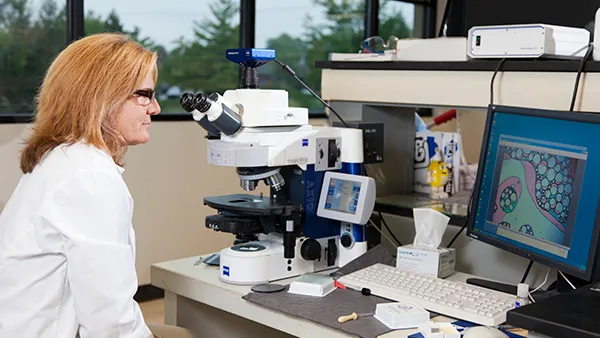
Engine oil is a carrier of critical information about everything happening beneath the bonnet. When an oil sample is submitted to a laboratory for analysis, technicians examine it for evidence of wear, contamination, and chemical degradation.
The outcome is a detailed report revealing how well your engine is performing, how your oil is holding up under stress, and whether any issues demand your attention.
Valvoline provides fluid analysis services for fleets and commercial operators, backed by rigorous laboratory testing that delivers clear, actionable insights. It is a diagnostic tool that replaces guesswork and instinct with hard data.
Most oil analysis reports open with a set of standard identifying information:
This context matters. Confirm that all details are correct—inaccuracies here can skew the interpretation of every result that follows.
This is where the real information lives. Using spectroscopy, the lab measures concentrations of various elements present in the oil. Key markers to monitor include:
No single number tells the whole story. What matters is the trend. If your iron reading climbs from 10 ppm to 60 ppm between consecutive samples, that is a clear signal something has changed. Regular analysis reveals these patterns in a way a one-off test never can.
Valvoline Global's laboratories automatically flag values outside acceptable ranges and typically include interpretive comments alongside the data. Pay close attention to those notes—they contain some of the most valuable guidance in the entire report.
Oil does far more than lubricate—it also cools, cleans, and shields engine components. With use, its properties shift. Your report will present several key indicators of oil condition:
Valvoline lubricants are formulated to resist oxidation and hold their viscosity for extended periods, but every product eventually reaches its performance limit. Knowing precisely when your oil has degraded lets you schedule changes with intention—rather than simply following the calendar.
Oil should remain uncontaminated throughout its service life. When a report reveals contamination, it points to either an external substance entering the system—such as dirt or coolant—or internal breakdown products accumulating.
Common warning signs to watch for include:
Identifying contamination at an early stage can prevent enormously costly repairs down the line. This is particularly critical for fleet operators, where unplanned downtime directly erodes profitability.
A single oil analysis report has real value. A sequence of reports has transformative value.
Advanced oil monitoring centres on trend analysis. Are wear metals creeping upward over time? Is viscosity remaining stable? Has coolant contamination appeared in consecutive samples?
Valvoline's analysis service retains historical data so you can monitor how an engine or machine ages across its service life. This capability is a game-changer for fleet maintenance planning, enabling a shift from reactive repairs to proactive servicing—and it carries weight for insurance documentation as well.
Interpreting an oil analysis report does not require a background in chemistry. It requires an understanding of the story your engine is communicating—and a willingness to act on what it says.
The most capable technicians and fleet managers approach oil analysis the same way they approach routine health checks. They also start with quality lubricants as a foundation. That is why Valvoline customers routinely pair premium oils with regular analysis to keep engines performing at their best over the long haul.
No advanced qualifications are needed to make sense of these reports. You simply need to know what to look for—and now you do.