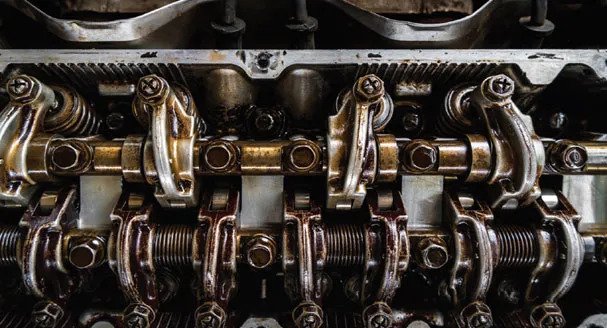
Heavy-duty diesel engines serve as the backbone of industry and the driving force behind commercial fleets. Built to be tough and resilient, these systems are engineered to endure the most demanding conditions imaginable. Extreme heat and pressure are simply part of their daily operating reality as they shoulder heavy loads mile after mile. Despite their renowned toughness, however, these engines demand diligent upkeep. Routine inspections safeguard engine performance, dependability, and longevity. They allow operators across every industry and application to maximize productivity while keeping maintenance expenses in check.
What does a sound maintenance program for heavy-duty diesel engines actually involve? What advantages does it deliver? Continue reading to learn what steps you can take to keep your engine performing at its peak.
Every diesel engine owner should start by establishing a detailed maintenance log. Tracking all service activities gives you a clear picture of what has already been addressed and what still needs attention. Beyond serving as handy reminders, these records also strengthen resale value. A thorough maintenance history signals responsible stewardship of any diesel truck or piece of equipment.
A well-known engineering principle holds that cleanliness is the foundation of preventative maintenance. Over time, dirt, dust, grime, and various contaminants accumulate and can seriously degrade diesel engine performance.
Whether it's the diesel injector, Diesel Particulate Filter (DPF), or radiator, each component requires periodic cleaning to sustain optimal operation. Furthermore, truck drivers and owners who make cleaning part of their regular routine are actually helping service technicians spot developing issues before they escalate into serious problems.
Valvoline offers a lineup of products including the Valvoline Professional Series Heavy Duty Diesel System Complete and the Valvoline Diesel System Protector. These high-quality specialty fluids clean and safeguard the diesel engine and its components, delivering improvements in diesel engine performance and supporting better fuel economy, among additional benefits.
The oil change stands as the cornerstone of any solid maintenance routine. Because diesel engines run at elevated temperatures, the likelihood of oil contamination increases significantly. To sustain peak engine performance and reduce the risk of premature failure, heavy-duty diesel engine oil should be changed on a consistent schedule.
As a general guideline, oil changes are recommended after every 5,000 miles, particularly when running fully synthetic oil. If a mineral base oil is being used instead, that interval drops to approximately 3,000 miles.
Coolant and radiator inspections are vital to keeping the engine's cooling system in working order. A coolant or antifreeze is a fluid blended with water to shield the engine and its components from both overheating and freezing. When left in service beyond its useful life, it breaks down and turns acidic, corroding the radiator and other cooling system parts.
HD diesel engines rely on several critical filters, and cleaning or replacing them is a key element of proper upkeep.
Fuel filters ensure the engine receives a steady supply of clean fuel. Once they become heavily fouled or completely blocked, they restrict or entirely cut off fuel flow. The result is a loss of engine power or an engine that cannot start or run at all.
Depending on operating conditions and engine age, fuel filters typically need replacement every 10,000 to 20,000 miles. Older diesel engines should have their fuel filters changed between 10,000 and 15,000 miles, while newer engines can go between 15,000 and 20,000 miles. One key point to remember is to swap out all fuel filters simultaneously for maximum system efficiency.
Oil filters must be changed on the same regular schedule as the oil itself. Their job is to remove particles from the diesel engine oil that could otherwise cause additional engine damage and accelerate wear and tear.
Clogged air filters take a real toll on engine performance. Keeping your heavy-duty engine running properly means changing air filters at appropriate intervals. How often this needs to happen depends on the surrounding environment and climate conditions.
Monitoring the exhaust system is another essential maintenance checkpoint. The appearance of black smoke from your truck's exhaust is a reliable indicator that the DPF is due for replacement.
The DPF is designed to trap soot generated by the HD diesel engine during normal operation. Like other filters, DPFs have a limited capacity and can be quite costly to replace. Using a DPF cleaner and regenerator regularly can help extend service life and reduce how often replacements are needed.
For all of these inspections and service intervals, always refer to the owner's manual and any relevant product information sheets before proceeding.
Heavy-duty diesel engines are among the most powerful and critical components in any vehicle or machine. Keeping them running efficiently over the long term depends entirely on a consistent maintenance program. This naturally requires both time and money. That said, the cost of routine upkeep is far smaller and incomparable to the expense of addressing major engine failures. Staying on top of your diesel engine's condition translates directly into greater reliability, reduced downtime, lower overall maintenance costs, and preserved resale value.
Trust Valvoline and our premium product lineup to support and optimize your heavy-duty operations.