If you are figuring out **how to start fleet electrification**, start with three numbers your CFO will ask about before the first charger is poured: cost per mile, downtime risk, and capital required. That is the real job. Not press releases, not sustainability slogans, and not a shiny pilot that dies when operations gets busy. In my experience managing mixed commercial fleets, electrification works when the first phase is built around duty cycle discipline, charging reality, and a clean uptime plan. What it costs, what it pays back, what it triggers with DOT.
Start with the routes, not the vehicles
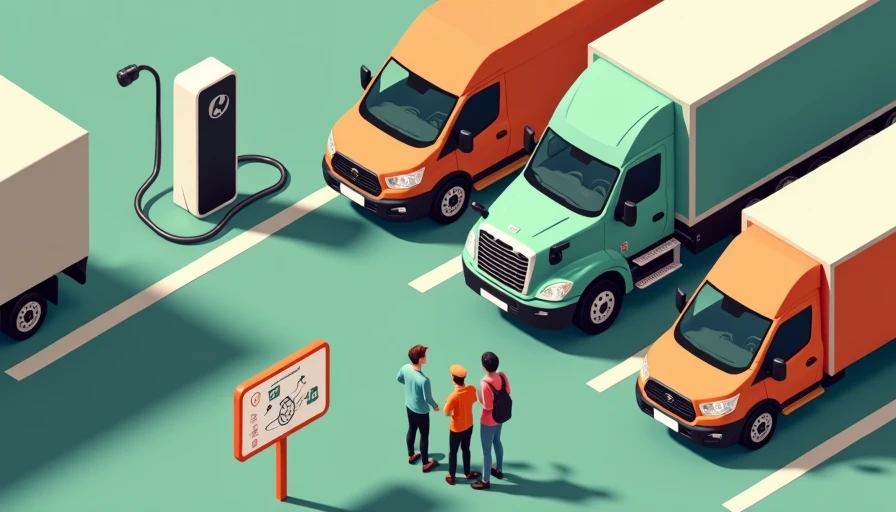
The fastest way to waste money is to shop electric vans or trucks before you map the work. Pull 90 days of route data and sort units by daily miles, dwell time, payload, and return-to-base consistency. The best first candidates are predictable routes that come home every night, usually with 60 to 150 miles per day, modest payload swings, and limited towing. Last-mile delivery, service vans, campus support, municipal-style loops, and fixed regional routes usually pencil out before irregular field operations do.
I tell fleet managers to identify 10 to 20 vehicles with the most boring operating profile in the fleet. Boring is good. You want repeatable energy use, repeatable charging windows, and dispatchers who are not improvising every shift. Also review seasonal variation. Air conditioning, heating, hills, and stop-and-go traffic all move real-world range. If a route regularly runs close to the edge in a gas unit, it is a poor first EV candidate.
**Fleet Impact:** A good first route set lowers pilot risk fast. Better route fit usually matters more than chasing the lowest sticker price. The payback comes from lower energy and maintenance spend without adding rescue miles or missed stops.
Build the business case around total operating cost
Once you know where EVs can actually work, build a simple five-year comparison. Include purchase price or lease cost, charging equipment, electrical work, fuel versus electricity, preventive maintenance, tire wear, and expected utilization. Do not bury charger installation under facilities and pretend it does not belong to the project. Your CFO will put it back.
For many light- and medium-duty fleet use cases, the operating case comes from lower fuel cost per mile and reduced maintenance items like oil changes, fewer brake replacements from regenerative braking, and less unscheduled engine-related work. But that only holds if utilization stays high and charging does not create dead time. If a vehicle misses revenue work because it is waiting on a charger, your model is wrong.
Use conservative assumptions. Electricity rates vary a lot, especially if demand charges apply. Fuel savings can be strong, but not every market gives you a home run. Federal, state, or utility incentives can improve payback, but I treat incentives as upside until the paperwork is validated.
**Fleet Impact:** Three numbers your CFO will ask about — here they are first: upfront capital, annual operating savings, and payback period. If you cannot explain all three in two minutes, the pilot is not ready.
Plan charging like it is a core operating asset
Charging is where good pilots become dependable programs or turn into expensive yard art. To answer **how to start fleet electrification** correctly, you need a charging plan tied to shift timing, not a generic infrastructure template. Start with where units park, how long they dwell, and what power is already available. Overnight depot charging is usually the cleanest first move because it aligns with return-to-base operations and reduces public charging dependency.
For many fleets, Level 2 charging works for light-duty and some van applications. Medium-duty or high-utilization operations may need higher-power AC or DC fast charging, but faster is not automatically better. Demand charges, equipment cost, and utility upgrade timelines can wreck the economics if you overspec early. Coordinate with your utility as soon as sites are shortlisted. Transformer lead times and service upgrades can run longer than vehicle delivery windows.
Also set charging rules. Who plugs in, when, and under what SOC target? If that sounds small, it is not. A charger without policy becomes a dispatch problem by week two.
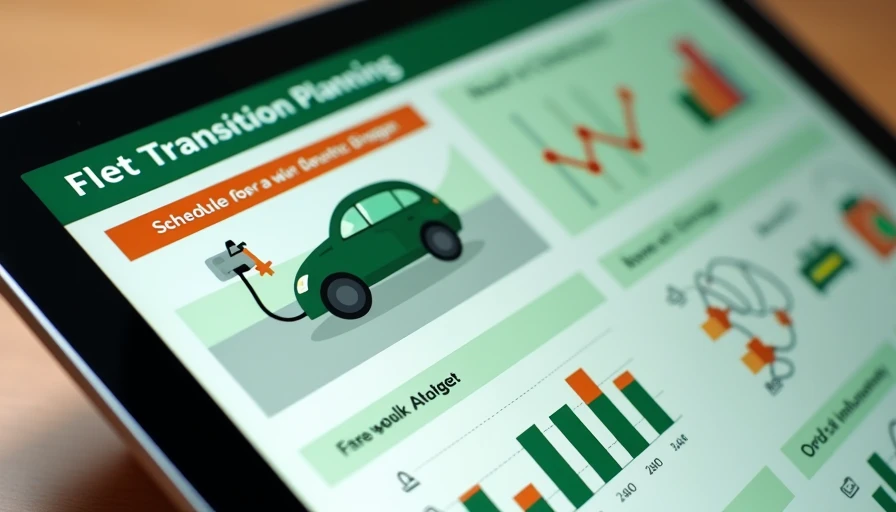
**Fleet Impact:** Charging should protect uptime first and optimize energy cost second. If your charger strategy depends on drivers improvising every night, expect missed departures.
Run a pilot with hard operating metrics
A real fleet pilot is not “we put five EVs in service and everybody liked them.” It is a tracked operating test with pass-fail metrics. Measure energy cost per mile, maintenance cost per mile, charger uptime, vehicle uptime, route completion rate, dwell time, and driver feedback on usability. Include cold-weather and hot-weather performance if your operation sees them. From our fleet's data, the issue is rarely whether the vehicle can move; the issue is whether the operating system around it is mature enough.
Keep the pilot narrow enough to manage but large enough to reveal problems. Five to 15 units in one depot is usually more useful than scattering a few vehicles across multiple sites. Train dispatch, maintenance, and drivers before launch. Maintenance teams need lockout and high-voltage safety procedures. Drivers need clear guidance on range management, charging etiquette, and what to do if a charger faults.
Do not judge a pilot in the first two weeks. Judge it after you have enough operating cycles to see patterns. Ninety to 180 days usually gives a better read than a ribbon-cutting month.
Don’t forget compliance, safety, and shop readiness
Electrification changes parts of the compliance and safety picture even when your basic fleet obligations stay the same. If your vehicles fall under FMCSA rules, your DOT inspection, driver qualification, and maintenance record responsibilities do not disappear because the powertrain changed. What changes is your shop process, emergency response planning, and training requirements for technicians and operators.
Make sure maintenance vendors or in-house technicians are qualified for the equipment you are putting into service. Review facility needs such as bay access, battery-related isolation procedures, and any fire response coordination with local emergency services. Update accident procedures so drivers know how to report EV-specific incidents. If units are over familiar DOT thresholds, continue treating them like commercial assets first, not technology experiments.
The biggest management mistake I see is assuming electrification is mainly a procurement exercise. It is an operations change. Procurement buys the unit. Operations keeps it available. Safety keeps it controlled. Finance keeps the rollout honest.
**Fleet Impact:** What it triggers with DOT is usually process, training, and recordkeeping discipline. Build those early and scaling gets much easier.
Scale only after the pilot proves the operating model
If you want to know **how to start fleet electrification** and not regret it later, earn the right to scale. Expand after the pilot shows route fit, stable charging behavior, acceptable uptime, and a cost-per-mile result you can defend. Then standardize specs, charger layouts, PM procedures, and operating policies across the next depot or business unit.
I prefer a phased rollout: one site, one duty cycle, one charging model, then repeat. That makes budgeting cleaner and keeps lessons transferable. It also gives you leverage with utilities, facilities teams, and finance because you can show actual operating data instead of assumptions. If the pilot exposes bad route fit or infrastructure delays, that is still a win. You learned early, on a small scale, before the mistake got expensive.
Bottom line: start with route data, model total operating cost honestly, install charging that matches the shift, and run a pilot with hard metrics. That is how to start fleet electrification in a way that protects uptime and gives the CFO an answer better than “everyone else is doing it.”