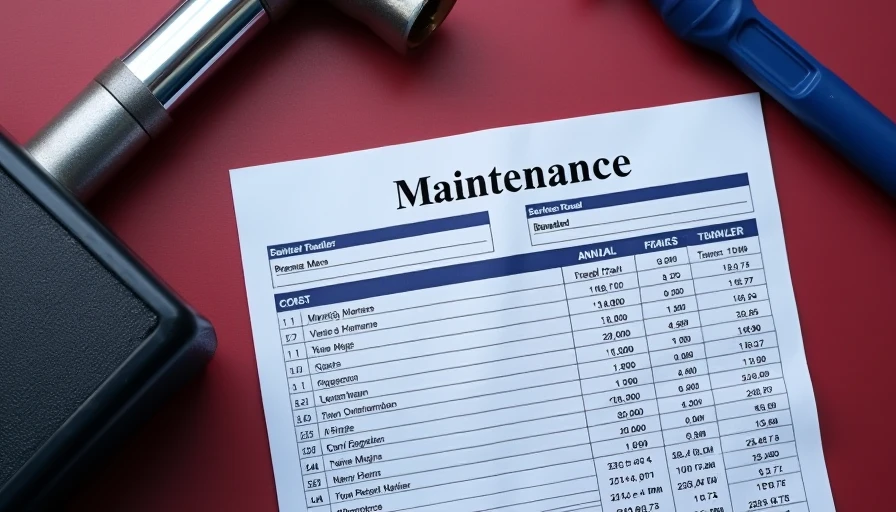
If you are trying to pin down the **average trailer maintenance cost per year**, start with the number that matters most in operations: annual spend per trailer tied to uptime. In most commercial fleets, a dry van or reefer trailer can land anywhere from about $1,500 to $4,500 per year in maintenance, with older units, high-mile applications, and harsh loading conditions pushing above that. Three numbers your CFO will ask about are here first: annual parts and labor, downtime hours, and cost per mile. What it costs, what it pays back, what it triggers with DOT.
What the yearly cost usually looks like
For a basic dry van running steady highway miles, annual trailer maintenance often breaks into a few predictable buckets: preventive inspections, tires, brakes, lighting and electrical, suspension wear, and occasional structural repairs. A newer trailer in a disciplined PM cycle may stay near the low end, around $1,500 to $2,200 a year. An older trailer with more dock hits, more urban miles, and deferred repairs can easily run $3,000 to $4,500 before major incidents.
Reefers are a different animal because the refrigeration unit adds its own service schedule, fuel system, belts, filters, and unplanned failure risk. Flatbeds may spend less on some body repairs but more on decking, securement hardware, and corrosion control depending on application. The point is that the average trailer maintenance cost per year is not one flat number across trailer types.
From our fleet's data, tire and brake events are where budgets get distorted fast. A PM line item is easy to forecast. One roadside tire call, wheel-end issue, or ABS fault at the wrong time can wipe out two months of planned savings.
The line items that drive trailer maintenance spend
If you want a realistic budget, build it from components rather than a single average. Annual federal inspections, PM checks, and shop labor are the base layer. Then come tires, brake shoes or pads, drums or rotors where applicable, wheel seals, air lines, lights, harness repairs, mud flaps, door hardware, and suspension components like bushings or air bags.
For many fleets, tires alone can average several hundred dollars per trailer per year when spread across the full life cycle. Brakes can do the same, especially in stop-and-go service. Lighting sounds minor until repeated corrosion, damaged connectors, and trailer ABS diagnostics start eating technician time.
**Fleet Impact:** If your PM compliance is slipping below target, expect more road calls, more shop overtime, and a worse cost-per-mile than the trailer budget originally showed. Payback from tighter inspections is usually fast because emergency labor and towing are expensive.
This is also where DOT risk shows up. Under FMCSA rules, carriers need systematic inspection, repair, and maintenance records, and defects affecting safe operation cannot be ignored. A cheap delay on brakes or lights can become an out-of-service event or a missed delivery.
What makes one fleet pay more than another
The biggest cost drivers are age, utilization, route profile, cargo type, and maintenance discipline. A five-year-old trailer on long highway runs with consistent drivers will usually cost less per year than a ten-year-old unit bouncing through dense urban routes and multiple drop yards. Every extra touch point increases the odds of landing gear damage, door issues, body scuffs, and electrical problems.
Climate matters too. Northern operations see more corrosion, seized hardware, and wiring headaches due to road salt and moisture. Hot southern service may be easier on corrosion but tougher on tires and rubber components. Loading practices also show up in the bill. Overloading, uneven weight distribution, and repeated forklift impact turn floors, crossmembers, and suspension parts into a budget problem.
The average trailer maintenance cost per year also rises when PM gets treated as optional. Miss one inspection cycle and you rarely save money; you usually just move spend from scheduled labor to unscheduled downtime.

How to budget the number without fooling yourself
My advice is simple: do not budget from industry averages alone. Build a trailer maintenance model by asset class, age band, and operating duty. Start with last year's actuals, then separate planned maintenance from unplanned repair. If you run 100 trailers, one blended number hides too much. You need to know whether the problem sits in 8-year-plus vans, reefer units, or a bad tire program.
A useful working budget for many fleets looks like this: newer dry vans at $1,500 to $2,200 annually, midlife units at $2,200 to $3,200, and older or high-touch trailers at $3,200 to $4,500 or more. Reefers often stack additional annual service on top of trailer chassis work. Then add a contingency reserve for road service and accident-related repairs.
**Fleet Impact:** Three numbers your CFO will ask about are annual maintenance per trailer, maintenance cost per mile, and downtime per unit. If you cannot show all three, your budget is incomplete. The average trailer maintenance cost per year only becomes useful when tied to utilization and service reliability.
How to lower annual cost without creating DOT trouble
The cheapest win is disciplined inspection timing. Catch tires before they become roadside events, catch brake wear before drums and chambers get added to the job, and fix lighting issues before a driver loses a half-day on a citation or failed inspection. Standardizing PM checklists across locations helps more than most fleets expect because technician variation creates repeat defects.
Next, watch vendor leakage. Roadside service, after-hours calls, and inconsistent parts pricing can quietly inflate annual cost. Review invoices for repeat electrical failures, tire positions, and brake replacements by lane or terminal. Patterns usually tell you whether the real issue is driver damage, loading practices, poor spec, or weak PM execution.
The average trailer maintenance cost per year comes down when operations and maintenance talk to each other. Better yard handling, fewer overloaded pallets, cleaner inspection write-ups, and faster defect repair approval all protect uptime. If you are shopping financing, leasing, warranty support, or commercial auto coverage tied to fleet operating costs, use these maintenance numbers in the conversation. Better records and lower roadside risk can support a stronger overall fleet cost profile.
Bottom line: for most fleets, budgeting around $1,500 to $4,500 per trailer annually is realistic, but your real answer lives in asset age, use case, and PM discipline. Track it monthly, not just at year-end.