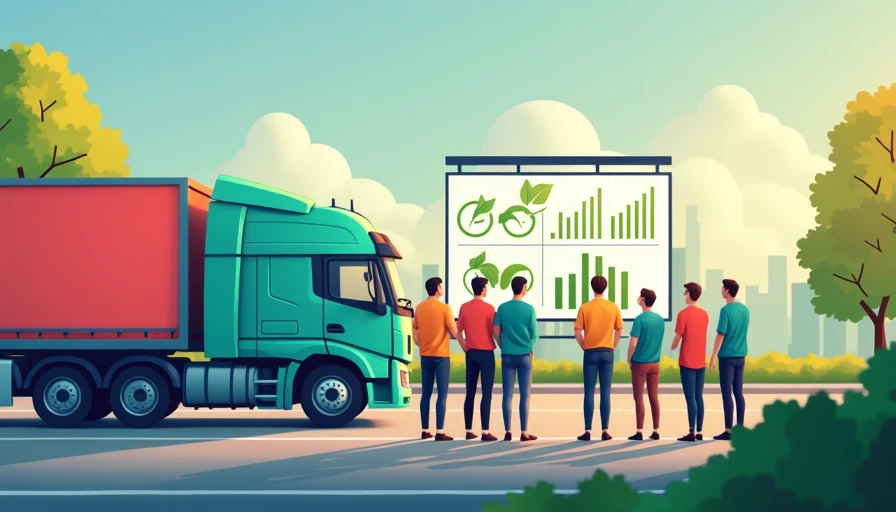
If you manage a fleet of any size, you already know fuel is the second-largest operating cost after labor. But what if a single shift in driver behavior could knock 10% off that line item, extend brake life by 20%, and lower your insurance premiums? That's the promise of eco-driving for fleet drivers. When we implemented a basic eco-driving program across our 400-vehicle fleet, our cost-per-mile dropped by $0.04 in the first quarter alone. The CFO noticed. Your CFO will too.
Eco-driving isn't about driving slowly — it's about driving smoothly. It's the difference between a driver who brakes hard at every light and one who coasts to a stop. Between the driver who idles for 30 minutes waiting on a dock and one who knows when to shut down. These habits compound into real money.
What Is Eco-Driving and Why Does It Matter for Fleets?
Eco-driving is a set of driving techniques that maximize fuel efficiency and reduce vehicle wear. The core principles: accelerate gently, maintain steady speeds, anticipate traffic flow, avoid unnecessary idling, and use the highest practical gear. For a heavy-duty truck, aggressive driving can reduce fuel economy by 15-30% on the highway and 10-40% in stop-and-go conditions. The U.S. Department of Energy cites smooth driving as the single most effective way to improve mpg.
**Fleet Impact:** A 10% improvement in fuel economy on a class 8 truck running 100,000 miles/year at 6.5 mpg with diesel at $3.50/gal saves over $5,300 per truck annually. Multiply that by your fleet size.
Key Eco-Driving Techniques Your Drivers Should Master
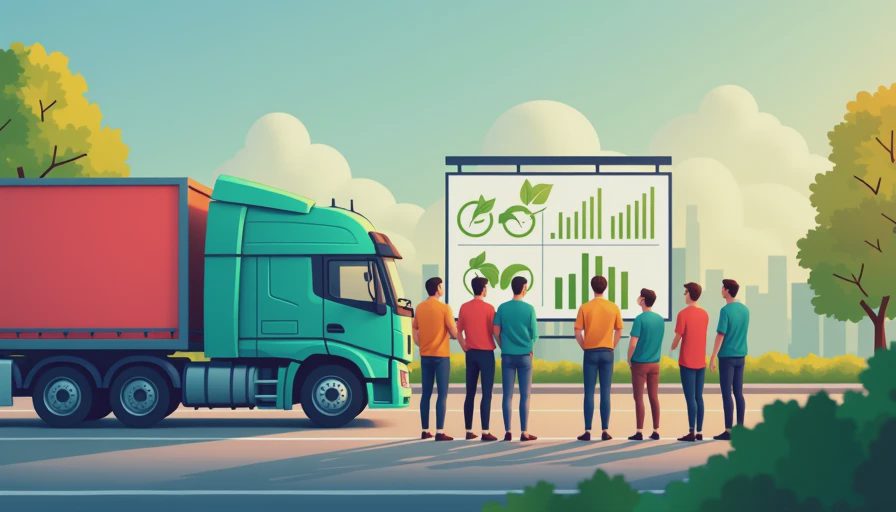
Train your drivers on these five habits:
- **Smooth acceleration:** Take 20-30 seconds to reach highway speed instead of 10. It saves more fuel than you'd think.
- **Maintain steady speed:** Use cruise control on highways. Every 5 mph over 60 reduces fuel economy by about 7%.
- **Anticipate traffic:** Look ahead 12-15 seconds. Coast to red lights instead of accelerating toward them.
- **Minimize idling:** Idling burns 0.8-1.0 gallons per hour. If your drivers idle an hour a day, that's 240+ gallons per year per truck.
- **Proper gear usage:** For manual transmissions, upshift early (around 1,200-1,500 rpm for diesels). For automatics, avoid aggressive kick-down.
From our fleet's telematics data, the biggest gains came from reducing idle time. We cut average idle from 8% to 3.5% of engine hours in six months — straight to the bottom line.
The Financial Impact: Fuel, Maintenance, and Insurance Savings
Fuel savings alone often justify an eco-driving program, but the secondary effects matter just as much. Smoother driving reduces brake wear (up to 50% longer pad life), extends tire life, and lowers transmission stress. Fewer hard braking events also means fewer rear-end collisions. In our fleet, accident claim costs dropped over 7% after we paired eco-driving training with dashboard-mounted scorecards.
**Insurance discounts** are where eco-driving for fleet drivers really pays off. Many commercial auto insurers offer premium reductions for fleets that use telematics to monitor safe driving behaviors. Progressive's Commercial Snapshot program, for example, can reduce rates by up to 10% based on idle time, harsh braking, and speed. Some regional carriers offer even larger discounts for fleets that demonstrate a sustained reduction in accidents. Check with your agent — if your program shows results, you can negotiate better rates.
**Fleet Impact:** Total ROI from eco-driving typically appears within 3-6 months — from fuel, maintenance, and insurance combined. Our CFO calculated a 4:1 return on the cost of training and telematics hardware in year one.
How to Implement an Eco-Driving Program in Your Fleet
Rolling out eco-driving isn't a one-day training session. It requires ongoing reinforcement. Here's a step-by-step:
- **Baseline your data:** Use telematics to capture current fuel economy, idle percentages, harsh events, and average speed. You'll need this to prove improvement.
- **Driver training:** Conduct a hands-on session (in-person or simulator) focused on the five techniques. Include a road test with a coach in the passenger seat.
- **Incentivize the change:** Tie eco-driving metrics to a small monthly bonus or recognition program. Peer competition works — we post a “Top 10 Eco Drivers” leaderboard every week.
- **Monitor and adjust:** Review telematics dashboards weekly. Share progress with drivers in one-on-one huddles.
- **Reinforce quarterly:** Eco-driving habits backslide without reinforcement. Rotate topics quarterly — one quarter focus on idling, next on speed management.
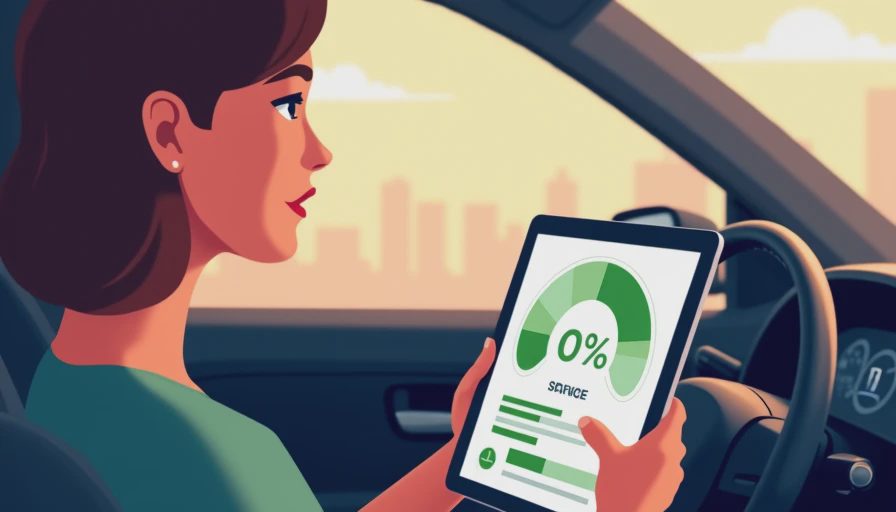
Telematics providers like Samsara, Geotab, and GPS Insight offer eco-driving scorecards right out of the box. You don't need custom software.
Measuring Success and Keeping Drivers Engaged
Track these KPIs monthly: average fuel mpg, idle percentage, harsh acceleration and braking events per 1,000 miles, and accident frequency. Share the fleet-wide results — drivers want to see their contribution. One technique that worked for us: ask each driver to set a personal fuel economy goal. The top improver each month gets a $50 gift card. The cost is trivial compared to the savings.
Also, tie eco-driving back to the drivers' own safety. Fewer harsh events means fewer injuries in the cab. Nobody wants to file a workers' comp claim because they jerked their neck slamming on the brakes.
Fleet Impact: The Bottom Line
Eco-driving for fleet drivers isn't a soft initiative — it's a hard cost-savings lever. Three numbers to take to your boss: fuel savings of $5,000+ per truck annually, a 7-15% reduction in accident claims, and insurance premium discounts of 5-15% with a strong telematics program. Combined, that's a low-five-figure per-truck improvement in operating margin.
If your current insurance carrier doesn't offer a telematics-based discount for eco-driving, shop around. Most national carriers have a program, and some regionals are even more aggressive. Get a quote from an agent who understands fleet operations — they'll know how to position your safety data. The numbers speak for themselves.