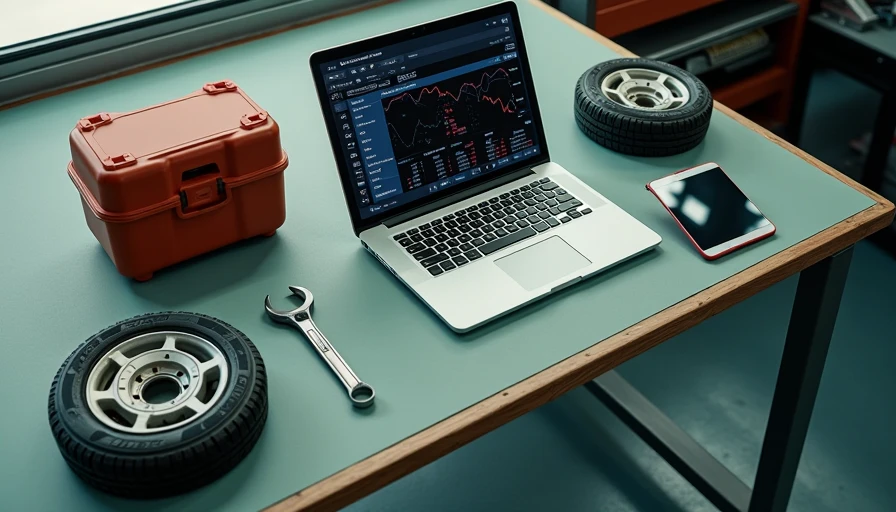
AI in Fleet Maintenance is only useful when it lowers cost per mile or shaves downtime hours. In my shop, I do not care whether the model is called predictive, prescriptive, or machine learning; I care whether it finds a failing wheel end before a 2 a.m. road call and whether the repair record still satisfies 49 CFR 396. Used right, it can keep PM work tighter, reduce surprise labor, and help parts managers stop guessing.
Where AI in Fleet Maintenance earns its keep
The first place I look is not the dashboard. It is the data stream behind it. The useful inputs are the boring ones: PM history, fault codes, DVIR notes, tire pressure readings, oil analysis, fuel burn, idle time, and work order text. If those records are clean, the software can spot patterns a human dispatcher will miss after the third vendor call of the morning. A unit that keeps throwing a low-voltage code after hot starts is worth a closer look. So is a tractor that eats front tires too fast on the same lane every week.
This is where AI in Fleet Maintenance earns money. It does not need to be magical. It needs to be right often enough to move a repair forward by a week or prevent a unit from leaving the yard with a known issue. A roadside call that runs $300 to $800 before the lost time shows up is common enough to matter. If a model helps you avoid just a few of those a month, the math starts paying attention fast.
The data hygiene test your shop has to pass
Bad data will sink the project faster than bad parts ordering. Unit numbers need to match across telematics, maintenance software, and invoices. Repair reasons need the same language every time. If one tech writes brake wear, another writes pads, and a third writes front axle issue, the model has to guess what you meant. That guess costs money. I have seen shops spend six months blaming the software when the real problem was a free-text field nobody standardized.
From our fleet’s data, the cleanest wins came from repeat failures with obvious structure: batteries, alternators, cooling system leaks, diesel particulate regeneration problems, and trailer ABS faults. Those are easier for a model to learn than a one-off body damage claim. Start there. Give it twelve to twenty-four months of history if you have it, then compare its suggestions against what your best technicians already know. If the computer and the shop both point to the same asset family, you are getting somewhere.
What AI in Fleet Maintenance can catch before a roadside call
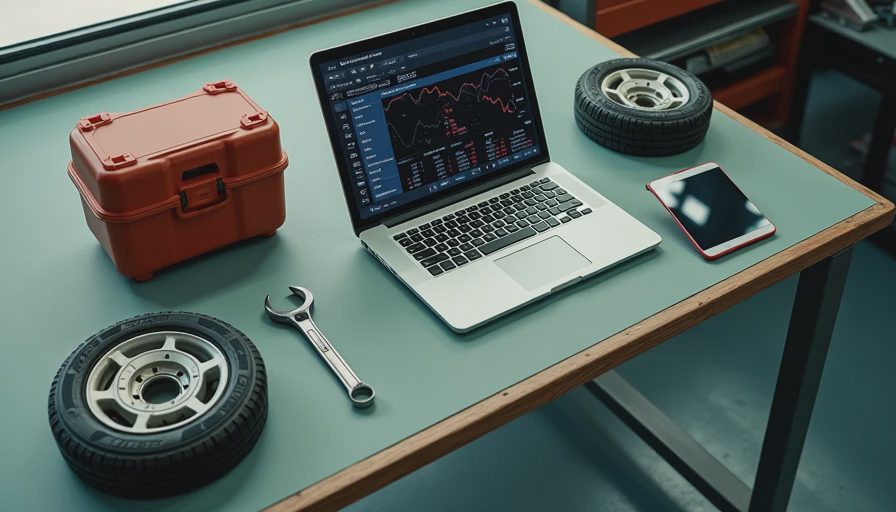
The best use case is not replacing the mechanic. It is helping the mechanic get there first. A good model can flag a battery that is trending weak before it strands a driver, or point out a compressor cycle pattern that usually shows up before an air system complaint. It can also surface tire pressure drift, repeated DPF regeneration, or an engine temperature curve that looks normal until you compare it to the same unit class.
That matters because one tow, one missed load, or one last-minute rental can wipe out a month of software cost on a small pilot. In a 400-unit fleet, two prevented road calls and one delayed battery replacement can make the annual budget meeting easier. I am not promising a miracle. I am saying the right alert, delivered to the right person, can save a Saturday callout and keep a unit on route instead of in a bay.
Fleet Impact: if the tool costs a few dollars per unit per month, you do not need every alert to be perfect. You need enough high-confidence hits to cover the subscription and give the maintenance supervisor a shorter repair queue.
The compliance line you cannot cross
This is where a lot of vendors get sloppy and a lot of fleets get nervous. AI should inform the maintenance decision, not replace the required inspection or the technician sign-off. If the system flags a brake issue, somebody still has to verify it. If it flags a safety defect, the unit still needs to be handled under your normal maintenance process and documented in a way that works during a DOT review.
Keep your records straight under 49 CFR 396, and do not let a clever dashboard become an excuse for weak paperwork. If you are using camera data, driver coaching data, or anything that touches employee privacy, write the policy before you roll out the tool. That is not legal theater; that is how you keep a maintenance pilot from turning into a trust problem. What it costs, what it pays back, what it triggers with DOT. Those three questions should govern the whole rollout.

Where the payback is fastest
The fastest payback usually shows up in fleets that run hard: high mileage, long idle time, stop-and-go routes, mixed equipment ages, and a lot of repeat work orders. If you run only a handful of units with low annual miles, the data set may be too thin to justify much beyond a basic rules engine. But if you have medium-duty trucks, vans, or tractors that all cycle through the same routes, the patterns are there. That is where AI in Fleet Maintenance can pick up recurring failures before they become a tow bill.
It also helps when parts lead times are ugly. If the system tells you a battery, tire set, or alternator is heading toward failure, your buyer can order ahead instead of paying expediting fees. A $180 part that becomes a $430 same-day emergency looks a lot different when you can plan for it. That is why I keep saying this is not about fancy software. It is about moving cost from the panic column to the planned column.
How I would roll it out without causing a revolt
Start with one failure family, one region, and one maintenance manager who will actually read the alerts. I would not launch this across a whole fleet on day one. I would pick batteries, tires, or cooling issues, baseline the last twelve months, and measure false positives, missed events, and average time to repair. If the tool saves a day of downtime on enough units, you have something worth scaling.
Train dispatch too, not just the shop. If a unit is tagged for service, the people assigning loads need to know why it is parked. That keeps the model from looking like a nuisance instead of a planning tool. For AI in Fleet Maintenance to stick, it has to fit your workflow, your paper trail, and your budget. If it does those three things, the shop will use it. If it does not, it will sit there and collect dust like every other overbuilt dashboard.