Trailer maintenance is one of those line items that looks routine until a roadside event turns it into a five-figure problem. In fleet terms, the math is simple: a missed light repair, weak brake adjustment, or neglected wheel end drives downtime, cargo delays, service calls, and avoidable CSA exposure. What it costs, what it pays back, what it triggers with DOT. If you manage dry vans, reefers, flatbeds, or utility trailers, disciplined trailer maintenance is not a shop preference. It is a cost-per-mile control system.
Start With the Three Failure Zones That Hurt Fleets Most
From our fleet's data, most unplanned trailer events cluster around three systems: tires and wheels, brakes, and lights. Those are also the areas most likely to create roadside inspection trouble under FMCSA Part 393 equipment rules and Part 396 inspection and maintenance requirements. If your PM program is thin in any of those zones, you are basically choosing higher callout costs later.
Tires are the biggest budget leak because the damage spreads. A slow leak becomes a heat event, then a shredded casing, then fender, wiring, mud flap, or floor damage. Brakes are next. Out-of-adjustment components, worn linings, contaminated friction surfaces, or air leaks do not just increase stopping distance. They also increase violation risk and can pull a trailer out of service. Lighting sounds minor until a recurring harness issue burns labor hours and puts a driver on the shoulder at night.
Fleet Impact: If a standard PM catches one tire issue before a roadside failure, the avoided cost can easily cover several inspections. The payback is usually measured in prevented service calls, not in theory.
Build a PM Schedule Around Miles, Time, and Duty Cycle
A good trailer maintenance plan is not one interval for every asset. A regional P&D trailer cycling in city traffic needs a different inspection rhythm than a long-haul van running steady interstate miles. I like a three-part schedule: pre-trip and post-trip driver checks, shop PMs based on mileage or days in service, and deeper annual inspections tied to DOT readiness.
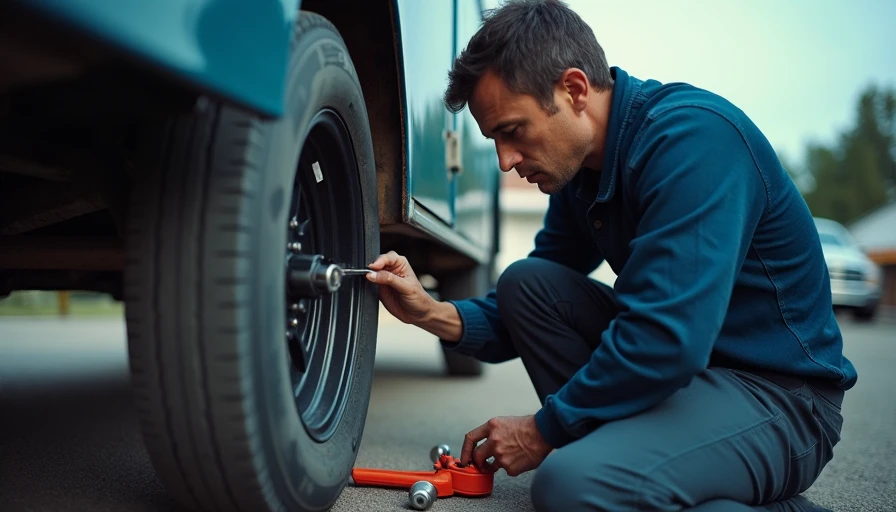
Drivers should be checking lights, tire condition, air lines, glad hands, mud flaps, ABS warning light function, and obvious cargo securement hardware issues. In the shop, put brake stroke, wheel-end play, suspension wear, tire pressure, tread depth, and electrical integrity on a repeatable checklist. On reefers, add unit service intervals and door seal condition because temperature claims get expensive fast.
For mixed fleets, set PM timing by actual use. Telematics, maintenance software, and work-order history will tell you which trailers eat tires, which ones have chronic wiring faults, and which locations defer repairs too long. The point is not more PMs. The point is better-timed PMs that keep trailers available.
Fleet Impact: Three numbers your CFO will ask about — here they are first. Labor hours per PM, average road-call cost, and trailer downtime per event. If the PM is cheaper than one roadside call, the business case is already made.
Tires, Wheel Ends, and Brakes Deserve Their Own Discipline
If you want the fastest return from trailer maintenance, tighten your standards on tires, wheel ends, and brakes. Start with inflation control. Underinflation shortens casing life, raises rolling resistance, and increases heat. For fleets with high trailer counts, regular pressure checks or a proven inflation strategy usually beats replacing damaged tires after the fact.
Wheel ends need consistent inspection for leaks, loose bearings, heat discoloration, and seal failure. A leaking hub is not a cosmetic issue. Once lubricant is compromised, you are on borrowed time. On brakes, measure lining condition, inspect drums or rotors for cracking or scoring, verify slack adjuster function where applicable, and repair air leaks immediately. Do not normalize “still legal” if stopping performance or inspection reliability is trending the wrong way.
This is also where standardization matters. If your shops use different pass-fail judgment on the same wear item, your cost per mile gets noisy and your compliance risk goes up. Write the standard, train to it, and audit it.
Electrical, ABS, and Structure Problems Compound Quietly
A lot of fleets spend heavily on visible failures and ignore the slow-burn issues. Trailer maintenance should include wiring harness routing, connector corrosion, lamp mounting, and ABS diagnostics. ABS faults may not always create an immediate out-of-service condition, but they can still trigger violations and weaken your inspection profile. More important, they tell you the trailer is not being watched closely enough.
Structure matters too. Look at crossmembers, floor condition, door hardware, hinges, roof damage, landing gear, suspension hangers, and frame cracking. On flatbeds and drop-decks, inspect winches, straps, chain points, and deck surfaces. Small structural defects become cargo claims, loading delays, and safety issues when they are allowed to stack up.
What it costs, what it pays back, what it triggers with DOT. A bent landing gear leg or weak door latch may not stop dispatch today, but it can absolutely create injury exposure, cargo handling delays, and extra shop time later. Trailer maintenance is cheaper when you repair defects before they spread into adjacent systems.
Fleet Impact: Compliance note — annual inspections under 49 CFR 396.17 are not a substitute for routine maintenance. Treat the annual as a floor, not your full program.
Driver Reports, Documentation, and Repair Triage Make or Break the Program
The best trailer maintenance program on paper still fails if drivers do not submit usable DVIR information or if defects sit open for days. Make reporting easy and specific. “Brake issue” is not useful. “Right rear service brake grabbing under light application” is useful. Train drivers on defect language and train supervisors to route safety defects ahead of cosmetic work.
Documentation matters because DOT cares whether the defect was found, documented, and corrected. Keep inspection records, repair orders, and annual inspection proof organized and accessible. If you outsource work, hold vendors to the same standard. A vague invoice is not maintenance management.
Triage should follow risk and revenue impact. Safety-critical defects first, then uptime threats, then appearance items. If a trailer is due for tires, brake work, and lighting cleanup, combine repairs in one planned stop instead of paying for three separate downtime events.
The Practical Playbook: Spend Earlier, Spend Less Later
Here is the simple version. Set clear PM intervals by duty cycle. Standardize inspection points. Audit tires, brakes, wheel ends, and electrical systems harder than everything else. Use DVIRs as an input, not a filing exercise. Track repeat defects by trailer number and location so chronic problems stop recurring.
For owner-operators and small fleets, the same rule applies even if the scale is smaller. Trailer maintenance protects cash flow because emergency repairs cost more, happen at the worst time, and usually drag missed loads behind them. For larger fleets, the upside is even bigger: lower roadside spend, better trailer utilization, and fewer compliance surprises.
If your current process is mostly reactive, start with a 90-day cleanup list and measure road calls, tire failures, and brake defects before and after. You do not need a fancy presentation to justify the change. You need fewer interruptions, cleaner inspections, and a lower cost per mile. That is the real return on trailer maintenance.