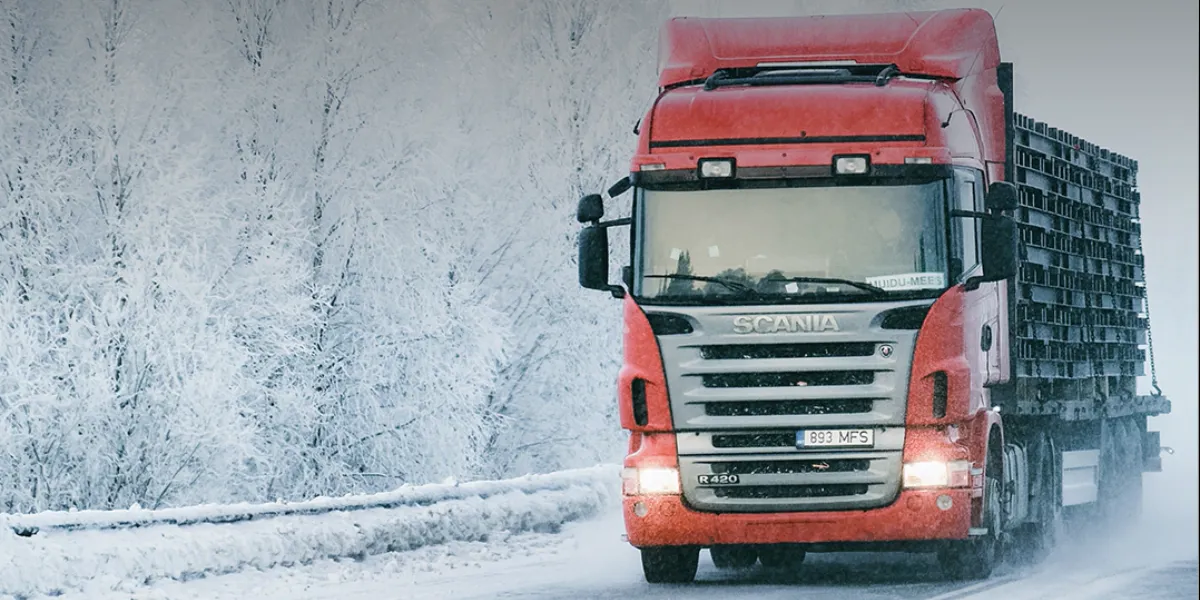
Winter's sub-zero temperatures place enormous stress on heavy-duty vehicles and machinery. Unexpected equipment failures can bring operations to a standstill and drive repair expenses through the roof. This is precisely why a thorough preventive maintenance program is indispensable for keeping your machinery performing at its best.
Consider the following steps.
At Valvoline, we consistently stress how critical it is to consult Original Equipment Manufacturers' (OEM) guidelines. These documents contain everything required to properly care for your equipment and maximize its working life.
As one example, OEM manuals include detailed instructions for cleaning, servicing, and storing heavy-duty machinery. Take the time to go through your manuals carefully. The effort is minimal, yet you are likely to uncover a wealth of practical winter maintenance recommendations for your equipment.
Be diligent about selecting cold-weather oils and greases that deliver sufficient lubrication and protection when temperatures drop.
Oil viscosity ranks among the most important considerations when choosing lubricants for winter operation. We have explored oil viscosity and its significance in depth in earlier articles.
In straightforward terms, oil viscosity describes how strongly oil resists flowing. High temperatures cause engine oil to thin, whereas low temperatures cause it to thicken. This makes selecting thinner, low-viscosity oils especially important in winter. These oils circulate more readily at low temperatures, ensuring proper lubrication of engine components, reducing friction, and enabling quicker engine starts.
Valvoline's product lineup offers the broadest range of HD lubricants available — including hydraulic oils, engine oils, greases, and coolants — all engineered to deliver maximum protection under sub-zero conditions.
Begin by clearing dirt and debris from the battery surface, since contaminants of any kind can cause significant energy loss. Remove any rust traces found around the posts as well. Keeping terminal posts and cables clean is essential, and Valvoline Contact Cleaner is the most dependable product for cleaning contacts. Only through this level of care can you guarantee a stable, secure, and consistent flow of current from the battery to the machine.
When a machine is taken out of service and left in outdoor storage, the battery should be removed and kept in a warm, protected location to avoid freezing. If the battery will sit unused for a prolonged period, maintain a full charge. Doing so extends its service life and ensures the vehicle or machine is ready to start when needed.
For machines that will remain in active use throughout winter, always verify that the battery carries a proper charge. Undercharged batteries struggle to perform at low temperatures and may be forced to generate nearly twice the normal cranking amps.
Although freezing temperatures do not dramatically shorten battery lifespan on their own, they can negatively affect the overall health and performance of the charging system.
Fluid analysis stands out as one of the most essential steps in winterizing a heavy-duty fleet or machine. The process itself is straightforward — oil samples are collected and submitted to a laboratory for detailed analysis. Our comprehensive guide to fluid analysis explains the full procedure.
Regular fluid analysis gives you a thorough picture of both machinery health and lubricant condition. It enables you to schedule service at appropriate intervals and fine-tune your overall equipment maintenance strategy.
Valvoline recognizes the importance of fluid analysis, which is why we developed a dedicated Fluid Analysis program. Simply register on the Horizon app, collect fluid samples, and ship them to our labs. Results are delivered to you by email or through your Horizon dashboard within 48 hours.
Lube service and lube change are two distinct processes.
A lube change is, as the name implies, the replacement of old oil with fresh oil — and it typically represents just one small element of a full lube service.
Lube service encompasses a thorough inspection of all lubrication systems. Beyond evaluating engine and hydraulic oil, lube service generally includes assessment and maintenance of power steering fluid, antifreeze, transmission fluid, and windshield wiper fluid.
Condition monitoring represents a sophisticated approach to HD machinery maintenance, drawing on machine sensor data and real-time monitoring software. This enables your technicians to track the health of every piece of equipment remotely and develop a comprehensive understanding of its performance. The software also delivers real-time alerts whenever it detects a shift in machine operation — a capability that becomes increasingly valuable for vehicles and machines working in extreme weather environments.
Preventive maintenance significantly reduces the likelihood of heavy-duty machines and vehicles failing you during harsh winter months. It begins with attending to the fundamentals: review OEM guidelines, protect your batteries, conduct fluid analysis, and track the condition of each machine. Above all, ensure you are using winter-grade lubricants formulated to keep your vehicles running reliably at the most demanding temperatures.
Uncertain about which HD lubricants are right for winter use? Try our Lubricant Advisor or reach out to your local Valvoline distributor for guidance.