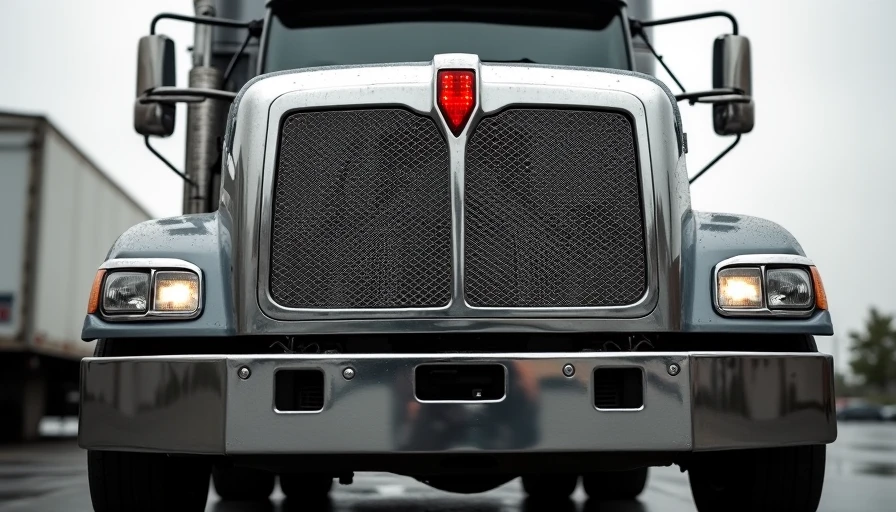
A heavy duty truck can earn its keep for a decade or become the most expensive asset on your balance sheet. The difference usually comes down to specification, utilization, maintenance discipline, and a clear replacement plan. In my fleet, I start with three numbers: expected cost per mile, annual downtime hours, and the payload or combination weight the vehicle must handle. Those numbers tell you more than a polished sales brochure.
For most commercial buyers, the category covers Class 7 and Class 8 equipment. A Class 7 vehicle generally falls between 26,001 and 33,000 pounds of gross vehicle weight rating, while a Class 8 truck exceeds 33,000 pounds. That range includes regional tractors, vocational dump trucks, refuse equipment, heavy haulers, and long-haul combinations. The right choice depends on the work, not the badge on the grille.
Start with the Job, Not the Model
Before requesting quotes, document the actual duty cycle. Record loaded miles, empty miles, average payload, trailer weight, grades, idle time, average speed, number of stops, and the percentage of work performed in extreme heat or cold. A truck moving dry van freight on Texas interstates has a different requirement from a mixer operating on short urban routes with frequent power takeoff use.
Power is only one part of the specification. Axle ratio, transmission gearing, rear axle rating, suspension type, frame strength, tire size, and cooling capacity affect productivity and repair exposure. An engine with more horsepower can improve performance on grades, but it can also increase purchase price, fuel consumption, and insurance value. If the route rarely challenges the powertrain, that extra capacity may not pay back.
Ask the body builder and OEM to confirm the complete vehicle weight rating, available payload after body installation, and expected center-of-gravity limits. A chassis that looks adequate before equipment is mounted can be overloaded after a crane, tank, liftgate, or refrigeration system is added. That is a specification failure, not a driver problem.
Build a Cost-per-Mile Case
A useful heavy duty truck business case includes acquisition, financing, fuel, tires, preventive maintenance, repairs, registration, insurance, depreciation, and downtime. Divide those costs by productive miles, not odometer miles, if the unit spends substantial time empty or waiting. A truck that travels 80,000 miles annually but loses 10,000 miles to shop time is not producing the same return as a consistently available unit.
For a simple example, assume a purchase price of $180,000, a five-year ownership period, and a $45,000 residual value. Straight-line depreciation alone is $27,000 per year before interest, fuel, or repairs. Add fuel at 6.5 miles per gallon, tires at $6,000 to $10,000 per replacement set, and scheduled service that can run several thousand dollars annually. The CFO needs to see the full operating picture, not only the monthly payment.
Fuel is often the largest controllable expense. Aerodynamic fairings, tire inflation, idle reduction, route planning, and driver coaching can produce a better return than selecting a higher-output engine. Telematics should show idle minutes, harsh acceleration, cruise control use, engine fault codes, and fuel economy by route. Compare those results against a baseline for at least eight to twelve weeks before approving a major capital change.
Fleet Impact: A $0.05 reduction in operating cost per mile equals $5,000 for every 100,000 miles. That is a straightforward figure to place in a replacement or efficiency proposal.
Choose the Powertrain for Uptime
Diesel remains common in heavy regional and long-haul service because of its energy density, established repair network, and strong support infrastructure. Natural gas, battery-electric, and other alternatives can fit specific routes, but they require a route-level analysis of fueling, charging, payload, weather, and dwell time. Do not compare fuel prices without including infrastructure, technician training, and lost productivity during refueling.
When evaluating diesel engines, study the maintenance schedule, emissions-system history, parts availability, warranty terms, and local technician capability. Diesel particulate filters, selective catalytic reduction systems, exhaust gas recirculation components, and sensors can create expensive downtime when maintenance is deferred. A powertrain with a strong reputation still needs clean fuel, correct oil, proper coolant, and documented inspections.
Transmission selection deserves the same attention. Automated manual transmissions can reduce driver workload and improve consistency, but they require correct calibration and driver training. Vocational applications may need different gearing, PTO compatibility, and low-speed control than highway tractors. Get the application engineer involved before the order is finalized.
Maintenance and DOT Readiness
A heavy duty truck should enter the shop based on condition and documented intervals, not only when a driver reports a problem. Use daily inspection reports, telematics fault alerts, oil analysis, tire trends, and repair history to schedule work before a roadside failure. Under 49 CFR Part 396, carriers must systematically inspect, repair, and maintain commercial motor vehicles. The recordkeeping matters as much as the wrench work.
Build a preventive maintenance calendar around engine hours, miles, fuel usage, and application. A vocational unit with high PTO hours may need service sooner than a highway unit with the same odometer reading. Track brake lining thickness, tire tread and inflation, steering components, suspension parts, lights, windshield condition, and coupling equipment. These are routine checks, but routine failures can trigger out-of-service consequences.
Drivers need a practical defect-reporting process. A form that takes ten minutes to complete is more useful than a complex application nobody opens. Maintenance should classify defects as safety critical, service affecting, or monitor-only, then assign an owner and due date. Preserve inspection and repair records according to applicable FMCSA requirements, and make them easy to produce during an audit.
Insurance, Risk, and Replacement Timing
Insurance cost belongs in the purchase decision from day one. A heavy duty truck carries a higher physical damage value than a light commercial vehicle, and a tractor-trailer claim can involve substantial liability exposure. Obtain insurance estimates using the proposed vehicle value, use, radius, cargo, driver profile, and selected liability limits. A cheaper chassis can lose its advantage if it brings higher repair frequency or a poor safety record.
Collision and comprehensive coverage protect the vehicle itself, subject to deductibles. Liability coverage addresses damage or injury claims for which the business is legally responsible. Cargo coverage is a separate consideration and depends on the freight and contract requirements. Work with a commercial agent who understands motor carrier filings and your operating authority rather than treating insurance as a last-minute certificate request.
Replacement timing should combine age, mileage, repair trend, and downtime. A seven-year-old unit with predictable maintenance can be a better asset than a newer truck with recurring emissions faults and long parts delays. Calculate annual repair cost, rental or substitute-vehicle expense, missed loads, and resale value. If repairs rise from $0.12 per mile to $0.25 per mile, the change deserves a capital review even when the truck still runs.
A Practical Purchase Checklist
Before approving a heavy duty truck order, verify the following in writing. Confirm the gross vehicle weight rating and axle ratings against the heaviest legal operating condition. Confirm payload after the body, fuel, tools, driver, and accessories are installed. Match the wheelbase to turning requirements and body dimensions. Review tire size, spare availability, and regional service coverage. Obtain the complete maintenance schedule and warranty exclusions.
Then price the operational details that are easy to overlook: telematics installation, auxiliary lighting, snow equipment, liftgate service, PTO installation, driver training, licensing, decals, and insurance changes. Ask how long common filters, sensors, brake components, and aftertreatment parts typically take to source through your own network. The vendor's estimate is useful, but your maintenance records are the stronger evidence.
Create a delivery acceptance sheet. Photograph the vehicle, record engine hours, inspect body alignment, verify warning lights, test PTO functions, confirm tool and spare-tire equipment, and capture all serial numbers. A clean handoff prevents arguments later and gives maintenance a reliable starting point.
The Manager's Bottom Line
The best heavy duty truck is not necessarily the most powerful, newest, or cheapest to finance. It is the unit that carries the required load safely, stays available on the assigned route, and produces an acceptable cost per productive mile. Specification errors compound across fuel, tires, repairs, insurance, and missed work.
From our fleet's data, the strongest decisions come from comparing a complete operating scenario against the current unit: annual miles, fuel economy, downtime, repair spend, driver productivity, and resale value. Put those figures in a five-year model, include a realistic contingency for repairs, and show what happens if utilization falls by 10 percent.
That is what it costs, what it pays back, and what it triggers with DOT. Use that standard for every heavy duty truck purchase, lease, replacement, and insurance review.