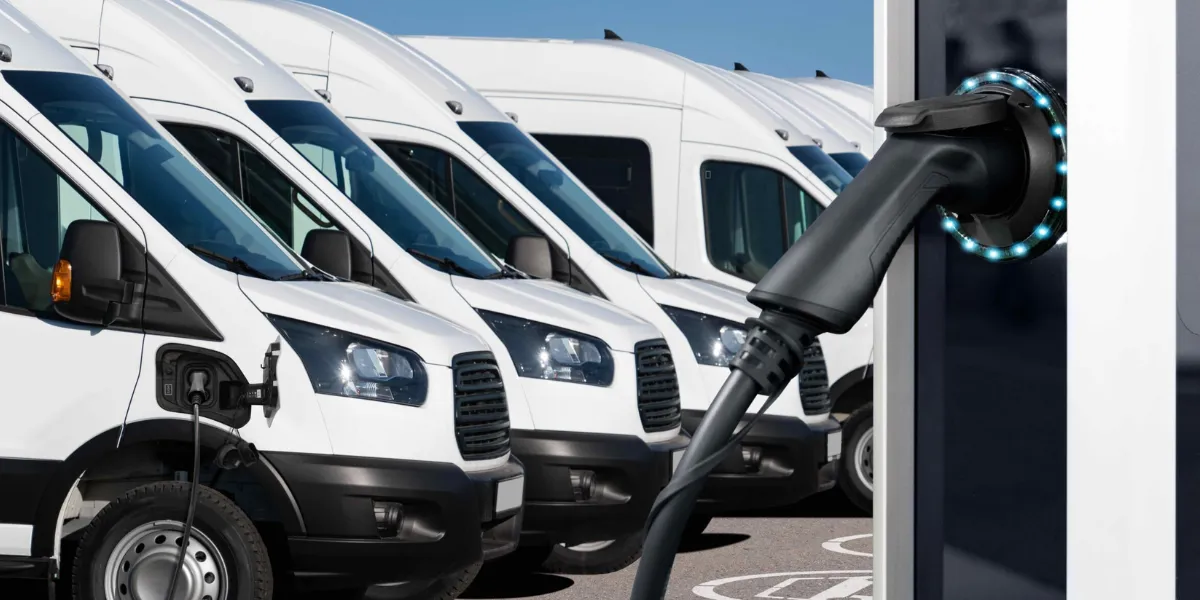
The emergence of electric vehicles, along with hybrid and plug-in models, marks a transformative moment in automotive history, pushing the industry toward greater environmental responsibility and long-term sustainability. Rather than relying on gasoline combustion, EVs draw on electricity stored in battery packs to drive an electric motor that propels the vehicle. This fundamental reimagining of how vehicles are powered brings with it a broad spectrum of advantages—environmental and financial alike—while simultaneously introducing fresh demands in how these vehicles are serviced and maintained.
In 2024, the Europe Electric Vehicle Market is estimated to reach USD 189.43 billion (€175 billion) and is projected to expand to USD 406.63 billion (€375 billion) by 2029, representing a compound annual growth rate (CAGR) of 16.51% across the forecast period (2024–2029).
Electric vehicles are positioning the automotive sector at the forefront of carbon footprint reduction. By running on electricity rather than burning fossil fuels, EVs generate zero exhaust pollution, substantially cutting greenhouse gas emissions and airborne pollutants that drive climate change and degrade air quality. The environmental case for EVs grows even stronger when the electricity powering them comes from renewable sources, making the entire energy chain cleaner and more sustainable.
Electric vehicles occupy a central role in global climate action strategies, appearing prominently in roadmaps designed to cap global warming well below 2°C in accordance with the Paris Agreement's established targets.
Lower day-to-day operating costs represent one of the most compelling advantages of electric and hybrid vehicles. Electric motors convert a significantly higher proportion of grid electrical energy into wheel motion compared to internal combustion engines, translating directly into reduced energy expenditure per mile traveled. Maintenance requirements are also less frequent and less costly, since EVs eliminate many components that routinely need servicing in gasoline-powered vehicles—oil changes, exhaust systems, and transmissions among them—suggesting a simpler and more affordable long-term ownership experience.
Even with their reduced mechanical complexity, electric vehicles introduce components that carry their own distinct maintenance requirements. Battery packs, which serve as the functional core of any EV, must be carefully managed to preserve their health and maximize their usable life. Temperature extremes, charging behavior, and daily usage patterns all exert meaningful influence on battery performance and longevity. Advanced thermal management systems are therefore deployed to hold the battery within its ideal operating temperature range, requiring periodic inspections and upkeep.
Thermal management stands as the defining challenge for plug-in vehicle performance and durability, demanding far more sophisticated approaches than those used for internal combustion engines. EV battery packs sit at the center of this challenge, given their pronounced sensitivity to temperature extremes. Elevated heat can trigger chemical reactions inside the cells that shorten their lifespan and, in worst-case scenarios, precipitate thermal runaway. On the other end of the spectrum, cold conditions slow electrochemical processes, diminishing power output, impeding charging efficiency, and potentially causing lithium plating—a phenomenon that negatively affects both battery health and overall capacity.
To manage these thermal extremes, EVs incorporate sophisticated heating and cooling systems engineered to keep the battery and other critical components—including electric and hybrid motors and power electronics—within their optimal temperature ranges. Liquid cooling circuits are commonly employed in these systems, as they offer superior heat dissipation efficiency compared to air-based alternatives. Phase change materials (PCMs) and heat pumps further extend the toolkit for managing temperature fluctuations, allowing vehicles to operate reliably across a wide range of environmental conditions. This careful thermal regulation simultaneously boosts performance and significantly extends the service life of EV components, contributing to both road safety and vehicle reliability.
The complex electrical systems that EVs depend on are inherently vulnerable to moisture and contaminants, which can trigger electrical arcing and accelerate component degradation. Addressing this vulnerability calls for specialized lubricants and protective materials capable of both lubricating moving parts and forming a barrier against electrical conductivity.
Valvoline offers a portfolio of advanced products engineered to address these precise requirements. Valvoline's Dielectric Grease, for example, is specifically formulated to shield electrical connections and components from moisture and corrosion, supporting a dependable electrical system throughout the vehicle's life. Valvoline's Electrical Contact Cleaner complements this by maintaining the performance of power electronics, dissolving dirt, oil, and other contaminants without damaging sensitive components or leaving any residue behind.
By incorporating these specialized products into their maintenance routines, EV owners and service providers can meaningfully improve the reliability and safety of plug-in vehicles. These solutions keep electrical systems properly insulated and protected even under the rigorous operating conditions EVs regularly encounter, addressing one of the most critical dimensions of electric and hybrid vehicle lubrication and maintenance.
Corrosion protection ranks among the most significant maintenance challenges facing electric cars, playing an essential role in the durability and dependability of these advanced vehicles. As the industry shifts toward electrification, safeguarding electrical connectors and components from environmental exposure and moisture becomes increasingly important. Left unchecked, corrosion can impair electrical conductivity, resulting in diminished performance and potential safety hazards.
To meet these demands, Valvoline has developed a line of products purpose-built to protect and preserve the intricate electrical systems found in electric vehicles. Contact cleaners and corrosion inhibitors from this lineup are engineered to create a protective barrier against environmental elements, effectively preventing corrosion from forming on battery terminals, electrical connections, and other essential components. By maintaining the integrity of these systems, these products support both the safety and performance of the vehicle.
Fleet owners and service providers who incorporate advanced corrosion protection products into standard EV maintenance protocols can substantially extend the operational life of their electric vehicles. These specialized solutions give EVs the resilience to overcome corrosion-related obstacles, delivering peace of mind while enhancing overall vehicle reliability and performance.
A fourth key challenge in maintaining electric and hybrid fleets involves proper lubrication of the gears and bearings within the drivetrain. Although EVs have fewer moving parts overall than internal combustion engine vehicles, these components remain essential for efficiently transferring power from the electric motor to the wheels. The operating environment of an EV—defined by high torque and instantaneous power delivery from a complete stop—places considerable stress on gears and bearings, requiring lubricants capable of handling extreme pressure while enabling smooth operation and guarding against wear.
Effective lubrication in this application matters not just for component longevity but also for the vehicle's overall performance and noise characteristics. Selecting the right lubricants minimizes friction and wear, extending the service intervals of gears and bearings while keeping operation quiet and efficient. Specialized lubricants are also necessary to address the high electrical currents present in EV powertrains, since these lubricants must prevent electrical arcing and corrosion in environments where significant electrical energy is constantly present.
Meeting this challenge calls for advanced lubrication solutions formulated specifically for the performance demands of electric vehicle drivetrains. These lubricants must deliver outstanding thermal stability, robust corrosion protection, and broad material compatibility—including compatibility with the unique materials found in electric vehicles. Careful selection and application of the right hybrid lubricants can help EV manufacturers and owners improve vehicle reliability, lower maintenance costs, and deliver a better driving experience.
Maintaining an electric vehicle (EV) presents notable complexity when it comes to Battery Management System (BMS) health monitoring and diagnostics. The BMS plays an indispensable role in tracking battery cell conditions—including voltage, current, temperature, and state of charge—in order to maximize performance and ensure safe operation at all times.
A Battery Management System acts as the nerve centre of an electric vehicle, preventing battery failure while continuously regulating the battery's overall performance.
As EVs become increasingly widespread, the sophistication and criticality of BMS maintenance have grown in parallel. Effectively addressing this challenge calls for a comprehensive, multi-layered approach.
The battery pack forms the foundation of any electric vehicle's capability, and ensuring BMS health and diagnostic integrity is what guarantees its long-term reliability. Fleet owners and service providers who implement the necessary measures to address BMS challenges can protect electric vehicle performance, strengthen safety across the board, and extend the working life of their vehicles.
The convergence of autonomous driving technology and electric vehicles points toward a fundamentally different future for fleet maintenance—one that enhances vehicle efficiency, improves road safety, and reshapes how vehicles are serviced and repaired. Autonomous electric vehicles, equipped with advanced artificial intelligence (AI) systems, offer significant carbon reduction potential and energy-efficient driving patterns, while simultaneously exerting a major influence on how fleet maintenance is approached.
One of the most significant shifts expected with the widespread adoption of autonomous EVs is the move from reactive to predictive maintenance. These vehicles carry advanced sensors and onboard diagnostic systems capable of continuously monitoring vehicle health in real time. This enables potential problems to be identified before they escalate into serious failures, allowing fleet managers to schedule maintenance proactively, reduce unplanned downtime, and extend vehicle service life.
The precision inherent in autonomous system operation will also produce more uniform wear patterns across the entire fleet. Autonomous electric vehicles are engineered to operate in ways that maximize efficiency and minimize unnecessary mechanical stress. The result will be more predictable maintenance schedules and substantially reduced overall maintenance expenditures.
The automotive industry is navigating a remarkable technological evolution that holds genuine promise for a cleaner, more sustainable future. Yet this transition introduces new lubrication and maintenance challenges that demand innovative products and solutions. Fleet owners and operators who understand these challenges and apply the appropriate products can ensure that their electric vehicles deliver optimal performance, reliability, and longevity. Valvoline continues to develop and deliver advanced lubricants and maintenance solutions suited to the full range of vehicles on the road today.
Backed by more than 150 years of innovation and technical excellence, Valvoline stands as a recognized leader in automotive lubrication and maintenance solutions. Choosing Valvoline products ensures that electric vehicle fleets benefit from cutting-edge formulations developed specifically for the requirements of electric mobility. Valvoline's ongoing commitment to research and development means that every lubrication, cooling, and maintenance challenge associated with electric vehicles is addressed with precision-engineered solutions. Selecting Valvoline means equipping your fleet with high-performance products while gaining the confidence that comes from a legacy of proven expertise and reliability in automotive maintenance.