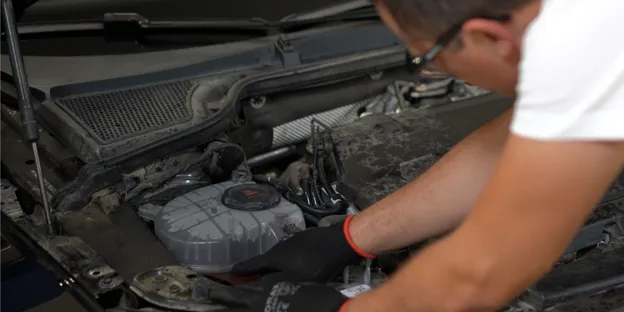
Think again. Putting off fluid changes may seem like a convenient way to save a few dollars today, but it is a risky bet that can result in expensive repairs, degraded performance, and genuinely hazardous driving situations further down the road. Consider your vehicle what it truly is: a long-term investment. And like any worthwhile investment, it demands consistent upkeep to retain its value. Whether you are a seasoned mechanic, a fleet maintenance manager, or simply someone who takes pride in their car, grasping why routine fluid changes are so important is non-negotiable.
Throughout this article, we will explore the consequences of neglecting fluid maintenance and explain why staying on top of these straightforward tasks is so critical. From answering the question "what is coolant" to walking through "how to check coolant level" and highlighting the advantages of synthetic lubricants, this guide equips you with the knowledge to better protect your vehicle—and steer clear of expensive mistakes.
When it comes to maintaining vehicle fluids, a number of widespread misconceptions continue to lead drivers in the wrong direction.
Synthetic Lubricants Are Just an Upsell
A lot of people believe synthetic lubricants are overpriced and that conventional oils deliver comparable results. While it is true that synthetic lubricants carry a higher initial cost, they deliver significantly better defense against heat, wear, and sludge accumulation. Their sophisticated formulation maintains stability under demanding conditions, extends engine longevity, and decreases the chance of expensive mechanical failures. In the long run, synthetic oils frequently pay for themselves by stretching out maintenance intervals and boosting overall performance.
Coolant Never Needs Replacement
One persistent myth is that a full coolant reservoir means the cooling system is functioning perfectly. The reality is that coolant—also called antifreeze—breaks down with age, losing its capacity to manage engine temperature and resist corrosion. Degraded coolant can trigger a host of problems, which is why periodic replacement in accordance with your vehicle manufacturer's specifications is necessary to keep the cooling system performing at its best.
Transmission Fluid Lasts Forever
Certain drivers treat transmission fluid as a set-it-and-forget-it fluid. In truth, transmission fluid deteriorates over time due to the combined effects of heat and friction, gathering contaminants that can trigger gear slippage and excessive heat buildup. Failing to change transmission fluid on schedule can result in expensive transmission repairs or full replacements. Adhering to your vehicle's recommended maintenance intervals for transmission fluid is essential to preventing these outcomes.
Brake Fluid Is Not That Important
Brake fluid is frequently underestimated, with many drivers only giving it attention when something goes visibly wrong. The fact is that brake fluid is hygroscopic—it draws in moisture from the surrounding air over time—which lowers its boiling point and weakens braking effectiveness. Neglecting brake fluid upkeep can produce spongy pedal feel, diminished stopping power, and serious safety risks. Consistent brake fluid inspections and replacements are vital to dependable braking performance.
Power Steering Fluid Does Not Need Changing
There is also a widespread belief that power steering fluid requires no maintenance whatsoever. Although power steering systems are generally robust and resilient, the fluid inside them can degrade with time, losing its effectiveness and triggering symptoms like stiff steering or noisy operation. Contaminated or worn-out power steering fluid can inflict damage on the system's pump and associated components, leading to costly repair bills. Yet another myth put to rest.
Addressing these misconceptions and taking a proactive stance on fluid maintenance can be the deciding factor in whether your vehicle continues to operate efficiently and dependably for years ahead.
If any single fluid could claim the title of most essential in a vehicle, engine oil would make a strong case. This fluid performs a vital function by lubricating moving components, cutting down friction, and warding off excessive wear and tear. In the absence of proper lubrication, metal parts inside the engine rub against one another, generating heat, producing debris, and ultimately causing serious mechanical damage. Even the finest engine oils, however, break down over time as a result of heat, oxidation, and the buildup of contaminants including dirt, metal shavings, and combustion byproducts. As the oil's viscosity and effectiveness decline, its protective capacity diminishes accordingly.
Skipping scheduled oil changes accelerates this deterioration, driving up engine wear and dragging down efficiency. An engine starved of proper maintenance can suffer reduced horsepower, chronic overheating, and ultimately catastrophic failure—a repair bill that dwarfs the cost of routine oil changes many times over. On top of that, old, exhausted oil can solidify into sludge, blocking key components like the oil filter, restricting lubrication flow, and placing further strain on the engine.
Switching to synthetic lubricants can dramatically reduce these risks. In contrast to conventional oils, synthetic lubricants are specifically engineered to hold their stability across extreme temperature ranges, fend off oxidation, and limit the buildup of harmful deposits. As a result, synthetic oils deliver superior protection over longer intervals, extending engine life and elevating overall performance. Choosing a premium synthetic oil like Valvoline's All Climate Engine Oil keeps your engine cleaner and running more efficiently, even under the most demanding conditions.
The cooling system does exactly what its name promises: it maintains the engine at an optimal operating temperature. At the core of this system sits the coolant, commonly referred to as antifreeze. What is coolant? It is a specialized fluid that regulates engine temperature and wards off overheating by absorbing and releasing excess heat. It also shields engine components from freezing in severe cold and guards against corrosion throughout the cooling system. When coolant levels fall too low or the fluid breaks down over time, the engine becomes vulnerable to overheating, which can warp cylinder heads, destroy gaskets, or trigger complete engine failure—repairs that are both time-consuming and extraordinarily expensive.
Keeping coolant at the correct level is fundamental to avoiding these outcomes. To learn how to check coolant level, find the coolant reservoir—typically a translucent plastic container marked with minimum and maximum indicators. The fluid should fall between those markers. Equally important is examining the fluid's appearance; cloudy or discolored coolant is a telltale sign of contamination or degradation and should be replaced without delay.
The transmission ranks among the most complex and critical assemblies in any vehicle, and its proper functioning depends entirely on transmission fluid. This specialized fluid serves several simultaneous purposes: lubricating gears, minimizing friction, dispersing heat, and facilitating smooth gear transitions. Over time, though, transmission fluid degrades under the influence of heat and repeated use, accumulating contaminants such as metal particles and debris shed by the transmission itself. As degradation progresses, the fluid loses its effectiveness, making it increasingly difficult for the transmission to operate as intended.
Allowing transmission fluid changes to lapse can trigger serious consequences, including gear slippage, erratic shifting behavior, overheating, and ultimately total transmission failure. These problems sap vehicle efficiency, compromise drivability, and generate repair or replacement costs that can be staggering. Given how complex and expensive transmission work can be, keeping up with fluid maintenance is a prudent investment that safeguards both vehicle performance and your finances.
To ensure your transmission continues to operate without issue, follow the manufacturer's recommended fluid change intervals and use only high-quality transmission fluids. Valvoline's range of transmission fluid products is engineered to tolerate high heat levels and minimize wear, delivering outstanding protection and consistent performance. Do not wait until delayed shifting or unusual sounds signal a problem—incorporate transmission fluid changes into your regular vehicle maintenance schedule before trouble arises.
The braking system is fundamental to vehicle safety, and brake fluid is a cornerstone of its proper operation. Brake fluid transmits the force applied at the pedal to the brake pads, allowing the vehicle to stop reliably and efficiently. However, since brake fluid is hygroscopic, it continuously absorbs moisture from the atmosphere. That moisture dilutes the fluid, reduces its boiling point, and promotes corrosion within the braking circuit. As a consequence, postponing brake fluid changes can erode braking performance and, in extreme cases, contribute to brake failure.
Degraded brake fluid does not merely impair your vehicle's ability to stop—it also accelerates internal damage to components such as brake lines, calipers, and master cylinders. Left unaddressed, this damage compounds into significant repair costs and, far more critically, creates a safety threat for you and everyone else sharing the road.
Consistent brake fluid maintenance keeps the braking system responsive and reliable while extending the service life of key components, reducing long-term expenses in the process. To sustain peak braking capability, follow your vehicle's service schedule for brake fluid replacement and select quality products like Valvoline's DOT-approved brake fluids. Staying ahead of brake fluid maintenance requires minimal effort but delivers substantial safety dividends on every single drive.
Getting where you or your clients need to go depends on having confident control over the vehicle—and power steering fluid plays a central role in making that possible. Its job is to reduce the physical effort needed to maneuver the vehicle, particularly at low speeds or through tight turns. This hydraulic fluid transfers force from the steering wheel to the road wheels, lightening the steering effort and improving driving comfort overall. Like every other vehicle fluid, though, power steering fluid degrades over time due to heat, contamination, and everyday use. As the fluid breaks down or picks up dirt and debris, its ability to lubricate and transfer hydraulic pressure decreases.
When power steering fluid is in poor condition, the symptoms become noticeable: increased resistance in the steering wheel, difficulty executing turns, or strange whining and groaning sounds during steering inputs. These signs not only make driving more demanding but also reduce your control of the vehicle, elevating the risk of accidents. Ignoring power steering fluid maintenance can further cause damage to expensive system components such as the power steering pump or rack and pinion assembly.
Checking and replacing power steering fluid on a regular basis is a straightforward yet essential part of keeping a vehicle safe and performing well. To inspect the fluid, find the power steering reservoir—usually capped and clearly labeled—and verify that the level falls within the recommended range. Take a moment to check the fluid's color and smell as well; dark, burnt-smelling fluid is a clear indicator that replacement is overdue.
Opting for high-quality power steering fluids ensures the system delivers optimal performance and durability over time. For superior results, Valvoline offers SynPower Power Steering Fluid, developed specifically to satisfy the requirements of contemporary power steering systems. This premium fluid is formulated to resist oxidation and wear, providing exceptional protection and maintaining smooth, precise steering response. Routine maintenance using SynPower Power Steering Fluid helps preserve the integrity of your power steering system and keeps you in full command of your vehicle under any driving conditions.
It is easy to tell yourself "I will get to the oil change next time" or "the coolant can wait until after this trip." Putting off regular fluid maintenance can feel inconsequential in the moment, but the ripple effects can seriously compromise your vehicle's performance, safety, and reliability. Every fluid in your vehicle—from engine oil to brake fluid—fills a critical role in protecting essential components and keeping everything running smoothly. Skipping fluid changes does not just accelerate the trip to the repair shop; it can completely undermine your driving experience and, in some scenarios, put your safety at genuine risk. The takeaway is clear: staying ahead of fluid changes is one of the most cost-effective and sensible things you can do to keep your vehicle in peak condition.
Valvoline provides a complete lineup of premium synthetic lubricants and maintenance products engineered to keep your vehicle performing at its best. Our products meet and surpass industry standards, delivering superior protection and performance across the board. Valvoline's MaxLife synthetic motor oil, for example, is formulated to handle elevated temperatures and prevent sludge formation, keeping your engine clean and efficient regardless of its age or mileage. Our coolant lineup is similarly designed to guard against corrosion and overheating, ensuring the engine maintains the right operating temperature at all times. Count on Valvoline to support the health and performance of your vehicle.