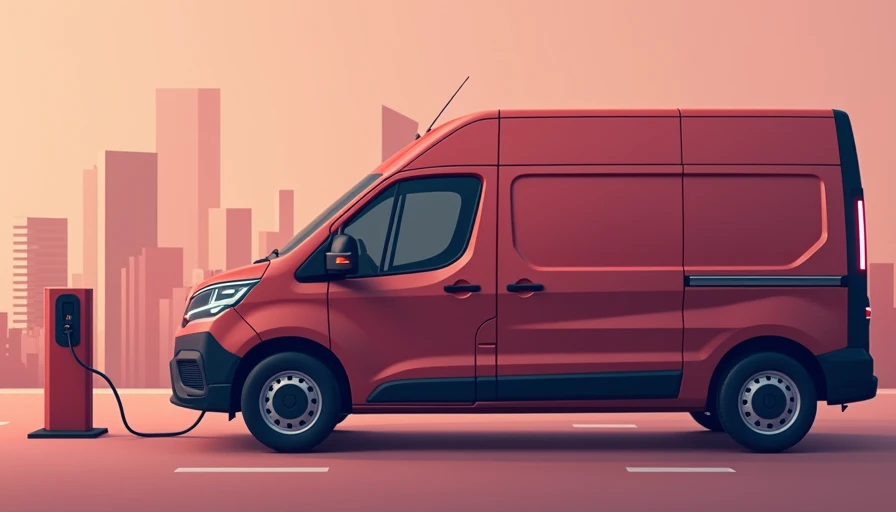
The best electric small van for urban delivery fleets 2026 will not be the one with the longest advertised range. It will be the vehicle that completes a defined route, returns to base with reserve battery, loads quickly, and spends less time in the shop than the gasoline van it replaces. In fleet terms, the decision comes down to cost per mile, usable payload, charging discipline, and uptime.
The U.S. market creates a complication: truly small electric cargo vans remain limited. Ford's E-Transit is a practical commercial benchmark, but it is larger than many European city vans. Mercedes-Benz eSprinter is also a full-size platform. BrightDrop's Zevo line has strong commercial intent, while Rivian's commercial vans are primarily tied to specific fleet programs. That makes route data more important than a simple vehicle ranking.
Start with the route, not the brochure
Before requesting bids, pull 60 to 90 days of telematics data for the routes under consideration. Record daily miles, stop count, average dwell time, cargo cube, payload weight, elevation changes, and the percentage of time spent below 25 mph. Urban delivery usually favors electric drivetrains because regenerative braking captures energy during repeated stops, and electric vans deliver immediate torque without shifting through gears.
Set a minimum usable range rather than relying on the EPA estimate. A route that averages 85 miles should not be assigned to a van advertised at 100 miles unless the vehicle can charge during the operating window. Cold weather, heavy cargo, HVAC use, traffic, and battery reserve can reduce practical range. For a Dallas route, summer air-conditioning load matters; for Minneapolis, winter battery and cabin-heating performance deserve a separate test.
Payload is equally important. A van that carries 1,500 pounds on paper may become inefficient when the route requires shelving, a liftgate, bins, a bulkhead, and safety equipment. Weigh a fully equipped gasoline unit before choosing the electric replacement. Then confirm the electric model's gross vehicle weight rating, payload rating, axle limits, and cargo dimensions.
Comparing the current commercial choices
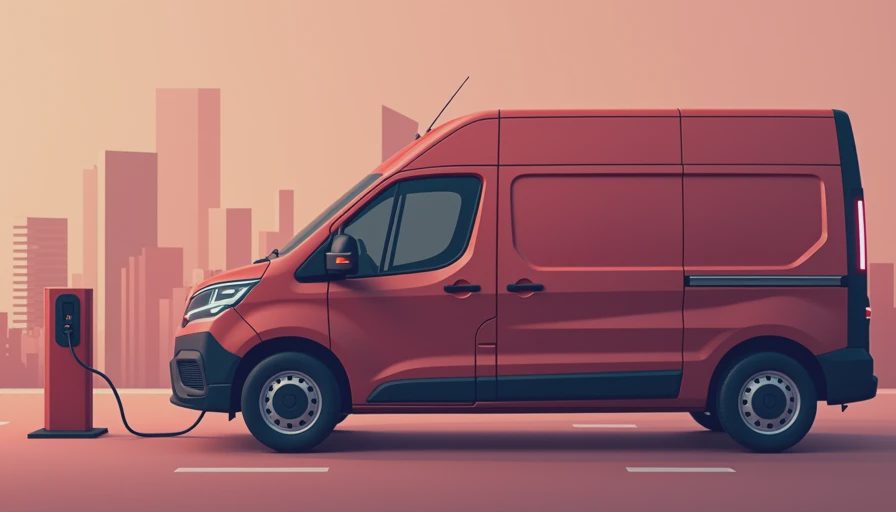
When managers ask for the best electric small van for urban delivery fleets 2026, I divide candidates into three groups. The first is a compact platform, if one is actually available through a U.S. dealer and supported with parts. The second is a downsized full-size van, such as a lower-roof Ford E-Transit configuration. The third is a purpose-built commercial EV supplied through a fleet agreement.
A compact van can reduce parking damage, tire expense, and energy consumption. Its limitations are usually cargo cube, payload, and availability. A full-size model offers better driver access, shelving space, and dealer familiarity, but its purchase price and charging demand can be higher. A purpose-built vehicle may fit the route well, yet the fleet needs written commitments for replacement parts, mobile service, battery warranty handling, and diagnostic support.
Do not compare sticker prices alone. A planning range of roughly $50,000 to $80,000 before incentives is reasonable for many new commercial electric vans, depending on battery size and equipment. Upfit costs can add $3,000 to $15,000. A basic cargo partition is not the same budget as shelving, refrigeration, a liftgate, or specialized delivery hardware.
Charging and daily uptime
The best electric small van for urban delivery fleets 2026 must fit the charging site as carefully as it fits the route. A small depot with six vans may need only managed Level 2 charging, while a 40-vehicle operation could require transformer work, load management, and utility coordination. Get a one-line electrical design and utility timeline before placing a vehicle order.
For many urban vans, overnight Level 2 charging is the lowest-cost operating pattern. DC fast charging can rescue a route, but frequent use can increase energy cost, create queues, and complicate driver scheduling. Build a written charging procedure: drivers connect after inspection, the charger records the session, a telematics system flags low state of charge, and dispatch retains one spare vehicle for missed charging events.
Battery warranty language deserves a careful review. Confirm the years, mileage limit, coverage for capacity loss, approved repair locations, and towing procedure after a high-voltage fault. A vehicle sitting three days for an unavailable battery component can erase months of fuel savings.
The numbers your CFO will ask for
For a useful total-cost comparison, model acquisition, financing, insurance, electricity, maintenance, tires, charging infrastructure, residual value, and downtime. A gasoline delivery van using 16 mpg at $3.50 per gallon costs about 22 cents per mile in fuel. An electric van consuming 0.65 kilowatt-hours per mile at 14 cents per kilowatt-hour costs about 9 cents per mile for energy. That is an illustrative operating case, not a guaranteed result, but the difference is large enough to test with your own utility bills.
Maintenance savings are real but not unlimited. Electric vans avoid oil changes, spark plugs, and many transmission services. They still need tires, brakes, suspension work, alignment, wiper systems, cooling circuits, and body repairs. Heavy curb strikes and frequent loading can create more downtime than the drivetrain saves.
A vehicle costing $20,000 more than its gasoline counterpart and saving 13 cents per mile needs about 154,000 operating miles to recover the premium before financing, infrastructure, and residual value. At 25,000 miles per year, that is more than six years. Higher fuel prices, cheaper depot electricity, rebates, or heavier annual mileage can shorten the payback. Use a conservative and an optimistic case in the approval packet.

Compliance, safety, and insurance controls
Electric propulsion does not remove commercial compliance duties. The vehicle's GVWR, operating location, cargo, and business activity determine which federal, state, and local requirements apply. If the vehicle meets the applicable commercial motor vehicle definition, maintain required inspection, maintenance, driver qualification, and records programs. Do not assume a low-mileage urban route is exempt from every DOT obligation.
Train technicians and first responders on high-voltage isolation. Keep charging areas clear, protect cables from vehicle traffic, and document damaged battery cases or underbody impacts. Update the written accident procedure so a driver knows when to shut down, evacuate, and call for qualified assistance rather than attempting a roadside repair.
Insurance underwriting also needs accurate vehicle information. Provide the carrier with VINs, garaging locations, annual mileage, driver use, cargo type, repair arrangements, and battery safety procedures. Commercial auto liability, physical damage, comprehensive, collision, and cargo coverage address different exposures. Ask how a battery replacement, charger damage, towing event, or total loss will be handled before the first delivery begins.
A practical pilot plan for 2026
Pilot two or three vans on routes with predictable mileage and secure overnight parking. Keep comparable gasoline vehicles on similar routes so the baseline is honest. Track energy cost per mile, charging failures, route completion, tire wear, unscheduled repair hours, payload utilization, and driver acceptance.
The best electric small van for urban delivery fleets 2026 should demonstrate results in your operation, not just in a product presentation. After 90 days, calculate cost per completed stop, not merely cost per mile. A van that uses less energy but loses two hours weekly to charging or loading can be a poor fleet asset.
My purchase gate is simple: approve expansion only when the route has range margin, the depot has charging capacity, parts support is documented, and the total-cost model beats the replacement gasoline unit under conservative assumptions. That is what it costs, what it pays back, and what it triggers with DOT.