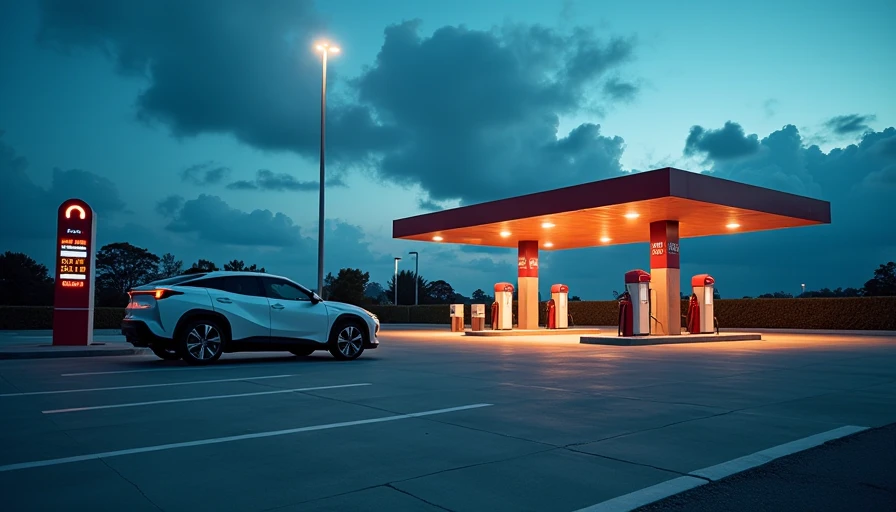
Toyota Mirai fuel economy looks impressive on a specification sheet, but a fleet manager needs more than a miles-per-kilogram figure. The real question is whether a hydrogen fuel-cell sedan can deliver predictable cost per mile, acceptable uptime, and enough route flexibility for your operation. EPA ratings for recent Mirai models have reached roughly 67 to 76 miles per kilogram, depending on trim and model year. That is efficient, but the vehicle's business case depends heavily on hydrogen price, station access, insurance, and daily routing.
For a commercial operation, I would put three numbers in front of the CFO: loaded operating cost per mile, productive miles available between refueling stops, and the financial impact of one unavailable vehicle. A Mirai can be compelling for urban customer visits, executive transport, or a fixed-route pool. It is a much harder fit for dispersed service territories where a driver cannot count on a nearby hydrogen station.
What Toyota Mirai fuel economy means in practice
The Mirai does not burn gasoline. Its fuel-cell system combines hydrogen with oxygen to produce electricity, with water as the primary tailpipe emission. The car drives like an electric vehicle, but refueling generally takes several minutes rather than requiring a long charging session. That distinction matters when a vehicle is scheduled for multiple appointments each day.
Toyota Mirai fuel economy is commonly expressed in miles per kilogram, or MPGe in EPA comparisons. One kilogram of hydrogen contains energy equivalent to a large amount of gasoline, so the number should not be compared directly with a gasoline car's miles per gallon. For budgeting, use the actual hydrogen price per kilogram and divide that cost by observed miles per kilogram.
For example, at 70 miles per kilogram and $15 per kilogram, the fuel cost is about 21 cents per mile. At $20 per kilogram, the same vehicle costs approximately 29 cents per mile. Those numbers exclude maintenance, tires, insurance, depreciation, and station-related detours. A gasoline sedan getting 30 mpg at $3.50 per gallon costs about 12 cents per mile for fuel, which shows why efficiency alone does not guarantee lower operating cost.
Route planning and usable range
Toyota Mirai fuel economy is most useful when the route is stable and the refueling network is dependable. Depending on configuration and driving conditions, a full hydrogen tank can support several hundred miles. Cold weather, high-speed driving, aggressive acceleration, heavy climate-control use, and repeated short trips can reduce actual results.
Fleet dispatchers should map every planned route against open hydrogen stations, not just station locations shown in a sales presentation. Include operating hours, payment procedures, queue risk, station reliability, and the nearest backup location. A route that looks efficient at 250 miles can become a downtime problem if the driver must travel 25 miles out of the way for fuel.
I would also establish a minimum reserve policy. For example, a driver might be required to return with enough range to reach the approved station plus a practical detour allowance. That prevents a low-fuel vehicle from becoming a same-day service failure. Telematics can track range, route deviation, and time spent stopped, but dispatch still needs a written escalation process when a station is offline.
The best Mirai assignment is usually a predictable metropolitan route with access to multiple stations. A rural territory, overnight delivery pattern, or multistate route deserves a direct comparison with a battery-electric vehicle, hybrid, or efficient gasoline sedan before procurement approval.
Cost-per-mile comparison for fleet buyers
Toyota Mirai fuel economy should be evaluated beside the full cost of energy, not treated as a standalone efficiency score. Build a spreadsheet with five scenarios: low hydrogen price, normal hydrogen price, high hydrogen price, gasoline baseline, and an electric alternative. Add a sixth scenario for a station outage that creates lost driver time and extra miles.
Assume a vehicle travels 25,000 business miles annually. At 70 miles per kilogram and $16 per kilogram, annual hydrogen expense is about $5,715. At $22 per kilogram, that rises to approximately $7,857. The difference is more than $2,100 per vehicle each year before considering detours or queue time. Across 20 vehicles, that price swing becomes more than $42,000.
Compare that with a gasoline vehicle traveling 30 mpg at $3.50 per gallon: annual fuel expense would be about $2,917. The Mirai could still make sense where emissions goals, local incentives, passenger experience, or access to dependable low-cost hydrogen outweigh the fuel premium. It does not make sense to claim savings without putting those factors into the same model.
Fleet Impact:
Calculate payback using the actual acquisition premium, expected resale value, insurance premium, scheduled maintenance, hydrogen price, and downtime exposure. If the business case only works at an optimistic fuel price, send it back for revision. What it costs, what it pays back, what it triggers with DOT: those are separate questions, and each belongs in the approval file.

Maintenance, uptime, and compliance questions
A fuel-cell vehicle has fewer conventional engine components than a gasoline sedan, which can reduce oil-related service work. It still needs tires, brakes, suspension checks, cabin filters, coolant service, software updates, and collision repairs. The high-voltage and hydrogen systems also require trained technicians and proper safety procedures. A low maintenance invoice does not help if the nearest qualified repair facility is several hours away.
Toyota Mirai fuel economy can decline when tires are underinflated or alignment is poor, so tire inspections deserve a place in the weekly fleet walkaround. Track miles per kilogram, refueling time, station failures, roadside events, and unscheduled repair hours by vehicle identification number. Review those figures after 30, 60, and 90 days rather than relying on the brochure rating.
For regulated motor carriers, confirm how the vehicle will be classified and documented within the operation. A passenger sedan generally does not create the same inspection profile as a commercial motor vehicle, but company policy, driver qualification, accident reporting, and state requirements still apply. Do not assume alternative fuel means exempt from ordinary safety controls. Have maintenance staff document training and keep emergency procedures accessible.
Insurance and procurement planning
Insurance is another cost that can erase a narrow efficiency advantage. Request quotes using the exact model year, vehicle use, annual mileage, garaging location, driver profile, and liability limits. A specialty repair network or expensive fuel-cell hardware can affect physical damage premiums and claim severity. Ask whether the carrier has procedures for towing, storage, and post-crash handling of hydrogen vehicles.
Toyota Mirai fuel economy should appear beside insurance, depreciation, registration, tires, and replacement transportation in the total-cost model. If a damaged vehicle is unavailable for three weeks, the rental or substitute vehicle expense belongs in the estimate. For a pool car, that may be manageable. For a customer-facing route with fixed appointments, the business disruption can cost more than the repair invoice.
Start with a controlled pilot of three to five vehicles. Assign them to routes that already pass reliable stations, record actual fuel transactions, and compare utilization against similar gasoline or electric vehicles. Set a go/no-go threshold before the pilot begins, such as maximum energy cost per mile, minimum monthly availability, and maximum refueling detour time.
A practical buying checklist
Before approving the Mirai, document the rated and observed Toyota Mirai fuel economy for the exact trim under consideration. Then complete these checks:
- Price hydrogen from the stations drivers will actually use, including taxes and payment fees.
- Map primary and backup stations for every regular route.
- Estimate annual miles, refueling stops, detour miles, and queue time.
- Obtain commercial auto insurance and physical damage quotes.
- Confirm dealer, technician, towing, and collision-repair support near the operating base.
- Compare five-year costs with a hybrid, battery-electric vehicle, and gasoline alternative.
- Set pilot metrics for cost per mile, uptime, range variance, and driver acceptance.
The Mirai is not a universal fleet replacement. It is a specialized tool that can work well where clean operation, quick refueling, and concentrated station access align. Toyota Mirai fuel economy is strong on paper and potentially useful in a disciplined route plan, but hydrogen price and infrastructure decide the financial result. Run the numbers from your own routes, then buy only where the data supports the assignment.