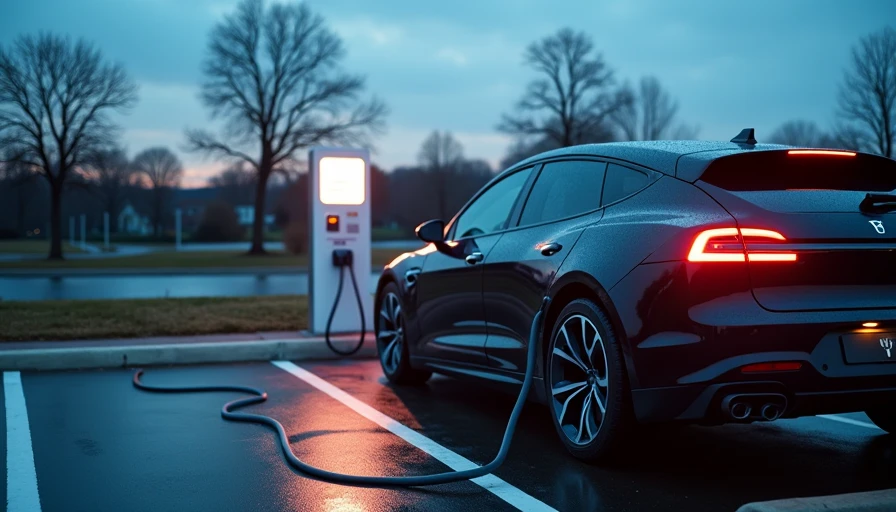
EV charging is not a parking-lot amenity for a commercial fleet. It is a fueling operation with different hardware, labor, utility, and scheduling costs. The question is not whether an electric truck can charge. The question is whether your charging plan protects route completion, controls cost per mile, and gives maintenance and safety teams a process they can defend.
I manage a mixed fleet in Dallas, where summer heat, long routes, and tight delivery windows expose weak assumptions quickly. Before approving a charger purchase, I want three numbers on the page: energy cost per mile, expected downtime per vehicle, and the monthly utility demand exposure. If those numbers are missing, the proposal is not ready for a CFO review.
Start With the Route, Not the Charger
The right EV charging plan begins with vehicle duty cycles. Pull at least 60 to 90 days of telematics data and sort routes by daily miles, stop count, payload, return time, and time spent at the yard. A delivery van that travels 110 miles and returns at 5 p.m. has a different requirement from a medium-duty truck running 220 miles with a midday opportunity to recharge.
Match usable battery capacity to the route with a reserve. I generally model a 15% to 20% energy buffer for weather, traffic, payload changes, battery aging, and unexpected detours. Do not build the plan around the EPA range number alone. Heating, air conditioning, highway speed, and repeated acceleration can move real-world consumption materially.
For each vehicle class, calculate kilowatt-hours per mile from actual pilot data. Then multiply that figure by route miles and your commercial electricity rate. A van using 0.45 kWh per mile on a 150-mile route consumes about 67.5 kWh before reserve. At $0.14 per kWh, the energy portion is roughly $9.45. That is useful, but it is not the complete operating cost.
Choose Charging Power Around Dwell Time
EV charging hardware should be selected around how long a vehicle sits, not the maximum power available from a vendor brochure. Level 2 equipment can work well for overnight depot charging when vehicles have eight to twelve hours of dwell time. Direct-current fast charging is more relevant when a truck must return to service quickly, but it brings higher equipment, installation, and often demand-related costs.
A 19.2-kilowatt Level 2 unit can add substantial energy during an overnight window, but the actual output depends on the vehicle’s onboard charger and site electrical limits. A 150-kilowatt DC fast charger may reduce turnaround time, yet it can also create a large electrical load when several vehicles charge together. That load affects transformer sizing, utility service, and monthly bills.
Plan for connector access, cable reach, snow or storm drainage where relevant, vehicle backing patterns, and protected equipment. A charger that is technically powerful but blocked by trailers is an expensive decoration. Leave room for maintenance access and future stalls without forcing today’s drivers to cross active traffic lanes.
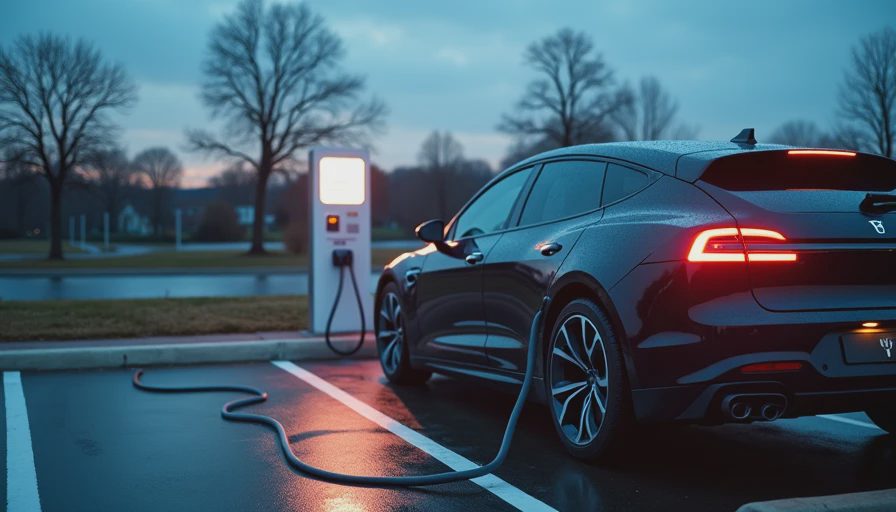
Fleet Impact: A slower charger with reliable overnight dwell can produce better payback than a fast charger used only during emergencies. Compare installed cost, expected sessions, peak load, and avoided diesel miles over the same five-year period.
Control Electricity and Demand Charges
Energy price is only one part of EV charging cost. Many commercial accounts also face demand charges based on the site’s highest power draw during a billing period. A depot that starts ten vehicles at once can set a peak that costs more than the energy itself, depending on the utility tariff.
Managed EV charging helps by staggering sessions, assigning vehicles by departure time, and reducing power during the most expensive window. The system should know which vehicles leave at 5:30 a.m., which can wait until midnight, and which must reach a minimum state of charge before morning dispatch. A simple first-come, first-served rule wastes flexibility.
Use a monthly dashboard with four measures: total kilowatt-hours, cost per kilowatt-hour, peak kilowatts, and cost per mile. Add charger availability and failed-session counts. If a charger is offline for two weeks, the software bill may still look acceptable while drivers quietly use backup diesel units and dispatchers absorb the disruption.
Build a Maintenance and Safety Process
EV charging maintenance belongs in the fleet work-order system. Track connector damage, cable wear, communication failures, ground-fault events, payment or authorization errors, and cooling-system alarms on DC equipment. Keep spare connectors or approved replacement parts according to failure history rather than guesswork.
Electrical work should be handled by qualified personnel under the site’s safety program. Document lockout and tagout procedures, emergency shutoff locations, inspection intervals, and who is authorized to reset equipment. Drivers need practical training: inspect the connector, report heat or damage, park within the marked position, and never force a plug.
Coordinate charger work with DOT inspection and dispatch routines. EVs eliminate engine oil and many exhaust-system tasks, but they do not eliminate tires, brakes, suspension, steering, body damage, or pre-trip obligations. A charging failure that leaves a vehicle stranded can still become a missed route, a customer escalation, and a preventable compliance conversation.
Measure Uptime Like a Production Asset
Treat EV charging availability as an operational metric, not an IT statistic. A useful definition is the percentage of scheduled charging sessions completed with enough energy for the next assigned route. That is more meaningful than simply reporting that a charger was technically connected to the network.
Create a response ladder. A driver reports a failed session through the same channel used for vehicle defects. Dispatch checks the vehicle’s state of charge and next departure. Maintenance identifies whether the problem is the vehicle, connector, network, or site power. If the vehicle cannot meet its route, a backup unit or alternate stall is assigned before the shift begins.
Keep one or two contingency options during the pilot: a neighboring depot agreement, portable equipment where appropriate, or a conventional vehicle reserved for routes with no tolerance for delay. The goal is not to hide weak infrastructure. It is to protect service while the data identifies the weak point.

Fleet Impact: If one failed charging session creates four hours of driver and vehicle downtime, record that labor and lost utilization in the business case. A charger’s purchase price is only one line in the cost model.
Build the CFO Business Case
Separate capital costs from operating costs. Capital includes chargers, switchgear, trenching, design, permits, utility upgrades, bollards, networking, and site restoration. Operating costs include electricity, software, maintenance, demand charges, replacement parts, and technician training.
Then compare the electric route with the diesel baseline. Include fuel, preventive maintenance, tire wear, idle time, and expected downtime. Do not claim savings from fuel alone if a new site requires a six-figure electrical upgrade. Conversely, do not ignore the value of predictable overnight fueling, reduced local emissions, or lower engine maintenance when those benefits fit the route.
A sound pilot uses a limited number of vehicles and a defined review date, such as 90 or 180 days. Set thresholds for cost per mile, route completion, charger availability, and unplanned downtime. Expand only when the operating data supports expansion. That is how EV charging moves from a technology project to a fleet asset.
The practical standard is simple: know what it costs, what it pays back, and what it triggers with DOT. Build the route model first, control the electrical peak, train the people touching the equipment, and measure every missed session. That discipline gives your fleet a credible path to electrification without asking operations to gamble on uptime.