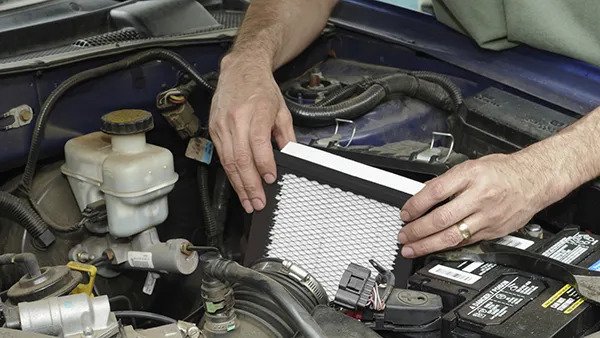
Underestimated and overworked – the case for taking your filters seriously.
Fleet managers and technicians juggle countless responsibilities – scheduling routes, coordinating preventive maintenance, keeping every vehicle operational. Yet in the middle of all that activity, one quiet component tends to be overlooked until it causes a problem: the filters.
Air filters. Fuel filters. Oil filters. Cabin filters. Each one performs an essential function in keeping your fleet running cleanly, efficiently, and reliably. When they operate as intended, no one gives them a second thought. But once they begin to fail, the consequences are hard to ignore – worsening fuel consumption, accelerated wear on vital engine components, and breakdowns that catch you off guard.
Here is what makes this particularly frustrating: filter problems rarely announce themselves suddenly. They develop gradually, quietly degrading performance well before any warning light appears on the dash. Catching the early signs and taking steps to prevent filter-related failures is not simply good housekeeping – it is fundamental to preserving your fleet's lifespan and keeping repair bills under control.
To the average driver, filters seem like minor, forgettable parts – swapped out during a scheduled service and immediately forgotten. In a fleet setting, however, these components are subjected to far greater demands. Commercial vehicles carry heavier loads, cover longer distances, and operate in tougher conditions than typical passenger cars. As a result, their filters are dealing with more contaminants, more frequently, and reaching the end of their service life sooner.
A clogged or compromised filter might:
And as emissions regulations become stricter and fuel prices continue to climb, neglecting filter maintenance is a risk no fleet – however large or small – can afford to take.
Each system in your vehicles calls for a specific type of filtration. Every filter shields critical components from contaminants that would otherwise cause inefficiency or serious mechanical damage. Here is a closer look at the key components in your fleet's filtration setup – and what warning signs to watch for when they begin to deteriorate.
Oil filters capture soot, metallic debris, and sludge before they can circulate through the engine. As these filters fill up, they lose their ability to trap harmful particles. The result is contaminated oil continuing to pass through the system, driving up wear and dragging down efficiency.
Telltale signs of oil filter trouble include noisier engine operation, dark or sludgy oil at service intervals, declining oil pressure, and more frequent needs for top-ups. Many contemporary systems will enter bypass mode when a filter becomes obstructed – permitting unfiltered oil to flow through to avoid catastrophic pressure loss. This is an emergency safeguard, though, not a substitute for timely maintenance.
Air filters prevent dust, grit, and airborne debris from entering the combustion chamber. In dusty conditions or heavy stop-and-go traffic, they can become restricted far sooner than anticipated. A clogged air filter limits the oxygen available for combustion, disrupting the air-fuel ratio and triggering a cascade of inefficiencies.
Symptoms to look for include sluggish acceleration, black exhaust smoke, misfiring, and a measurable drop in fuel economy. You may also notice a whistling noise as the engine struggles to pull in enough air through the blocked filter media.
Fuel filters eliminate water, rust particles, and sediment from the fuel supply before it reaches the injectors. Low-quality diesel, deteriorating fuel tanks, or contaminated fill-ups can all shorten the life of these filters. When they fail, the downstream consequences can be severe – fuel injectors are precision components that are expensive to replace.
A compromised fuel filter typically shows up as hard starting, power loss under load, repeated stalling, and an unusually strong fuel odour. Modern diesel fuel systems are especially sensitive to contamination, making reliable fuel delivery absolutely non-negotiable.
These filters maintain clean air inside the cab – a detail that often falls through the cracks. A blocked cabin filter, however, places added strain on the HVAC system, contributes to fogged windows, and degrades ventilation quality. For drivers spending extended hours behind the wheel, this goes beyond mere comfort – it has a direct impact on alertness and health.
Drivers might notice weakened airflow from the vents, musty or stale odours, heightened sneezing or coughing, or windscreens that mist over quickly in damp weather. Swapping out the cabin filter is often one of the fastest, most affordable improvements you can make to driver comfort.
✅ Check oil colour and texture at every service ✅ Listen for rough engine noise during cold starts ✅ Visually inspect air filters – do not rely on mileage alone ✅ Drain fuel/water separators regularly ✅ Use diagnostic tools to check system pressure ✅ Record and track fuel efficiency over time ✅ Ask drivers to report airflow issues or unusual cabin smells
Recognising the ways filters fail is only part of the equation. The real payoff comes from putting proactive measures in place that prevent those failures from occurring, keeping your fleet dependable and operating at its best.
Conventional maintenance schedules operate on fixed time or mileage intervals, which can fail to reflect real-world operating conditions. Shifting to a condition-based maintenance approach means monitoring the actual state of filters and replacing them based on live data rather than arbitrary benchmarks. This ensures filters are changed at precisely the right moment – not too early, not too late.
The standard of filters and fluids you use has a direct bearing on fleet performance and durability. Lower-grade filters may fall short when it comes to trapping contaminants effectively, leading to faster wear and the risk of system failure. In the same way, specifying high-quality fluids by Valvoline ensures optimal compatibility and performance throughout the system, lowering the likelihood of filter-related complications.
Building awareness among your team about filter health and the early indicators of trouble can enable faster detection and resolution. Encourage drivers to flag unusual smells, diminished airflow, or changes in how the engine feels. Regular training for maintenance personnel keeps them current with best practices and emerging filtration technologies.
Today's diagnostic equipment can deliver real-time visibility into the condition of filters and the systems they serve. Incorporating these tools into your regular maintenance regime allows you to catch developing issues before they escalate, time interventions accurately, and sustain peak fleet performance across your entire operation.
Thorough records of filter replacements, inspections, and associated maintenance work make it easier to identify recurring patterns and plan ahead. This data-led methodology supports more precise forecasting and smarter allocation of maintenance resources.
Even the most sophisticated monitoring setup cannot fully substitute for an attentive driver behind the wheel. Drivers represent the first line of defence in catching filter-related issues early – particularly those subtle symptoms that sensors may miss or underreport. A well-informed driver can stop minor problems from evolving into costly repair jobs.
There are several tell-tale signs that drivers should be trained to watch out for:
A clogged or mould-affected cabin air filter can emit a damp or musty odour inside the cab. Beyond being unpleasant, this can degrade air quality and contribute to fatigue during long shifts.
A blocked air filter can starve the engine of airflow, making it feel heavy and unresponsive when accelerating away from a standstill or overtaking. Drivers often describe this sensation as the vehicle 'lagging' or being 'slow off the mark'.
Black exhaust smoke may indicate over-fuelling – a condition frequently linked to inadequate air filtration – while white or grey smoke can point to moisture or oil contamination, both of which may be connected to filter failures elsewhere in the system.
Whining, knocking, or fluttering noises can sometimes trace back to stress on the fuel system or air intake. If the vehicle sounds unusual, compromised filtration could well be the cause.
Inadequate cabin air filtration can heighten driver discomfort – particularly for those with allergies or respiratory sensitivities. Drivers who regularly report headaches or persistent coughing should prompt an immediate filter inspection.
Fleet filtration has come a long way. As engines grow more refined, emissions targets become more stringent, and operating environments more unpredictable, filters have transformed from basic catch-alls into sophisticated, precision-engineered components. If you still think of filters as cheap throwaway parts, it may be time to reconsider.
An increasing number of modern filters are built with synthetic and multi-layered filter media. These materials deliver greater dirt-holding capacity and finer particle filtration without raising flow resistance. In air filtration, nanofibre technology is gaining traction, providing superior protection alongside extended service intervals – even under harsh operating conditions.
Oil and fuel filters have similarly advanced. High-efficiency microglass media can capture smaller particles while sustaining adequate flow to lubricate or supply fuel to the engine. This is especially important for newer powerplants, which run at tighter tolerances and are highly sensitive to contamination.
In a growing number of modern commercial vehicles, filters now come fitted with pressure or temperature sensors. These transmit data to telematics platforms or engine control units, warning operators when a filter is approaching the end of its effective service life. Instead of estimating based on mileage, operators receive real-time performance insight.
This sensor-driven approach aligns well with condition-based service models, cutting unnecessary waste and preventing avoidable mechanical wear.
For fleets running contemporary fleet management software, filter performance data can be fed directly into predictive maintenance schedules. When combined with oil condition monitoring or fuel system diagnostics, it becomes one component of a comprehensive, interconnected maintenance ecosystem.
Valvoline Global's service partners are increasingly collaborating with advanced fleet systems to ensure seamless compatibility between high-performance fluids, filtration components, and evolving hardware requirements.
In summary: filters are growing smarter, and fleets that stay attuned to these developments can look forward to greater reliability, cleaner engines, and reduced costs across the board.
Looking after your fleet's filtration is not simply about avoiding breakdowns – it is about sustaining peak performance, maximising fuel efficiency, and extending the operational life of every vehicle in your fleet. Here is a summary of the key takeaways:
Putting these practices in place will strengthen the reliability and efficiency of your fleet, bring maintenance costs down, and help your vehicles go the distance.
Questions about fleet filters? You are in good company. Below are some of the most frequently raised queries from fleet operators, mechanics, and drivers – paired with straightforward, practical answers to keep your fleet running at its best.
Q: Can I clean and reuse filters? A: For heavy-duty air filters, yes – in some cases. Certain designs permit dry cleaning or blowing out accumulated dust. Oil, fuel, and hydraulic filters, however, are a different matter. These are single-use components and must always be replaced at each service.
Q: Should filters be changed at the same time as fluids? A: As a general rule, yes. Changing your oil without replacing the oil filter is a bit like showering and putting dirty clothes back on. The same principle applies to fuel filters – a fresh filter protects fluid integrity and shields sensitive downstream components from harm.
Q: Are aftermarket filters safe to use? A: It varies. Some aftermarket manufacturers meet or exceed OEM specifications, while others compromise on quality. Stick with reputable brands and check with your lubricant supplier or service centre to confirm compatibility before fitting.
Q: How often should I check cabin filters in commercial vehicles? A: At a minimum, twice a year – and more frequently if your vehicles operate in dusty or heavily urbanised environments. A restricted cabin filter can impair airflow, generate unpleasant odours, and have a negative effect on driver wellbeing.
Q: Are filter sensors always reliable? A: Sensor technology continues to improve, but no system is entirely foolproof. Sensors perform best when combined with routine visual inspections and feedback from the drivers and technicians who work with the vehicles daily.