The Complete Fleet Roadside Emergency Kit Checklist for 2025
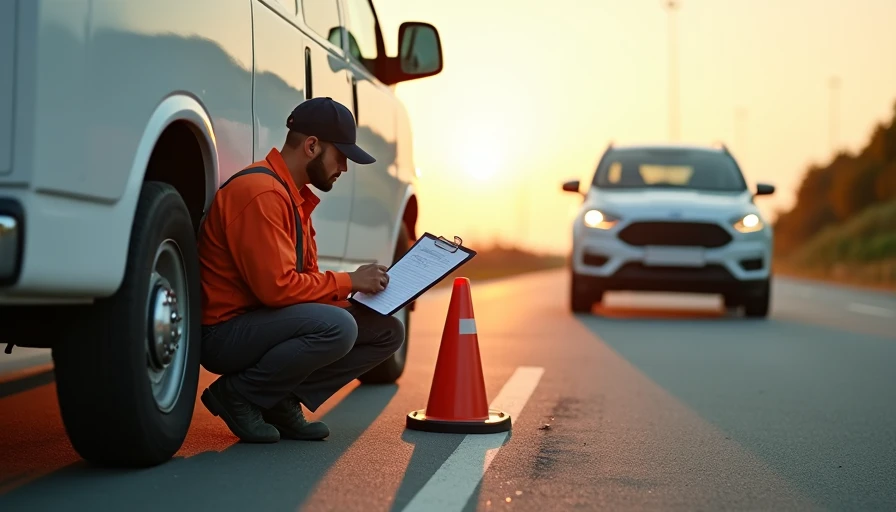
A stranded truck costs $850 to $1,200 before the tow truck even arrives. The fleet roadside emergency kit checklist in this guide covers DOT minimums, the gear that prevents service calls, and the audit trail that keeps inspectors happy. I have run a 400-vehicle fleet in Dallas for 20 years, and this is the list I use.
Why the Fleet Roadside Emergency Kit Checklist Starts at 393.95
FMCSA regulation 49 CFR 393.95 requires every commercial vehicle to carry three reflective warning devices, a fire extinguisher rated at least 5 B:C, and spare fuses. A DOT inspector looks for those items during a Level 1 inspection. The fine for a missing triangle is often more than the cost of an entire kit. Fleet Impact: A basic compliance kit runs about $100 per vehicle, and one avoided citation pays for the whole program.
The Core Kit Items That Go in Every Vehicle
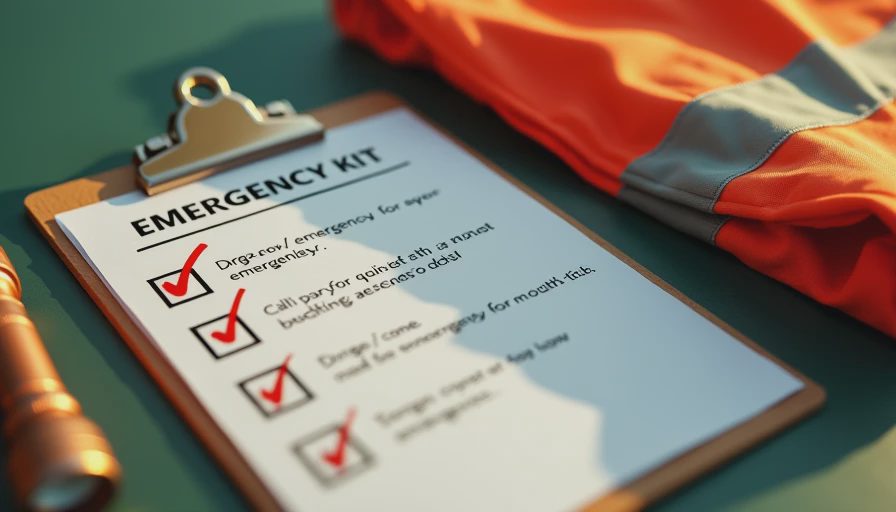
This is where the fleet roadside emergency kit checklist earns its keep. Every vehicle should have work gloves, a hi-visibility vest, wheel chocks, a tire pressure gauge, a lug wrench for your wheel studs, and a jack rated for your heaviest axle. Add a first-aid kit with trauma supplies, a flashlight with spare batteries, jumper cables sized for diesel batteries, a tow strap rated to 1.5 times GVWR, and a basic tool set with sockets, wrenches, pliers, and screwdrivers. Keep everything in a rigid case with a laminated inventory card. That card gives the driver a 30-second check and gives your auditor a clear record.
Store the case where the driver can reach it without climbing over the seat. Loose gear rolling under the cab is a safety issue, not a kit. When you standardize the layout across the fleet, a relief driver can find the lug wrench in seconds.
Add-Ons That Pay for Themselves
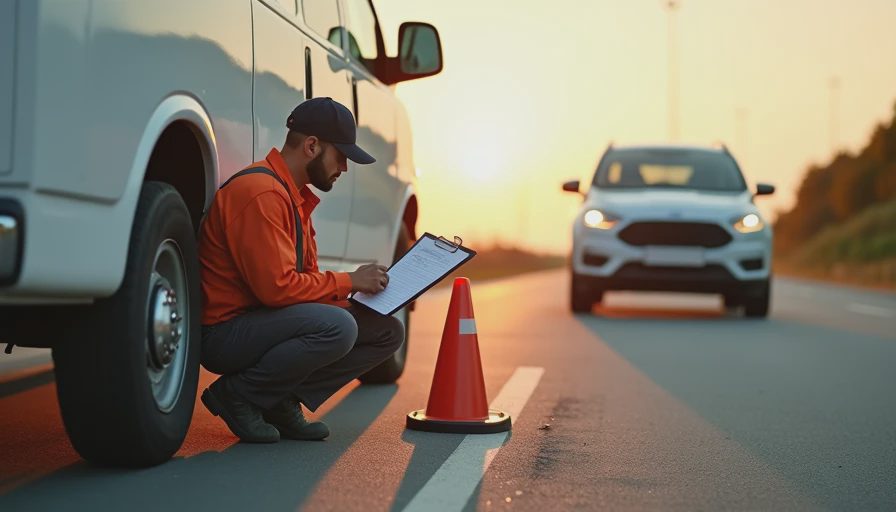
After the base kit is done, add the tools that turn a two-hour breakdown into a 15-minute stop. A lithium jump pack costs $200 to $350 and replaces a $150 jump-start call. A 12-volt air compressor runs $80 to $150 and fixes a slow leak before it ruins a tire. A tire plug kit is a $40 bet against a $450 tire replacement. Add an LED work light, a reflective blanket, road flares, and spare DEF or engine oil for the vehicles that use them. For EV pilot trucks, include high-voltage-rated insulated gloves and a label warning drivers never to cut orange cables.
Inspection and Audit Trail That Keeps DOT Quiet
A checklist without an owner is just paper. Assign one maintenance tech to inspect every kit once a week. Check the fire extinguisher gauge, tamper seals, and expiration dates on batteries and flares. Replace anything missing before the truck leaves the yard. After any roadside use, the driver is responsible for restocking within 24 hours. In our fleet, a dead flashlight left in the kit gets a documented coaching session. It sounds harsh, but one missing triangle on a shoulder with DOT behind you is a bigger problem.
Fleet Impact: A full base kit costs about $450 per vehicle when bought in bulk. A single tow in a metro area runs $300 to $600, and the driver's idle time adds to that. Standardizing the kit across 20 vehicles means one vendor, one inventory process, and one training deck.
The Cost-Per-Mile Payback
Three numbers your CFO will ask about: a roadside event averages $1,000, a kit costs $450, and a 50-truck fleet can expect 30 to 40 roadside events a year. If a good kit prevents even a third of the tow calls, the savings cover the entire kit program in the first year. The softer payoff is driver retention and on-time rates.
Three Mistakes That Ruin a Roadside Kit
The biggest mistake is treating the kit as a one-time purchase. Batteries die, flares expire, and drivers borrow the lug wrench for another task. The second mistake is buying consumer-grade gear. A $30 emergency kit from a big-box store is not built for a Class 8 truck. It has a 12-volt compressor that burns out, jumper cables too thin for a diesel battery, and a jack rated for a sedan. Buy commercial-grade components and replace them on a schedule. The third mistake is ignoring seasonal needs. Winter routes need a cold-weather blanket, ice scraper, and extra DEF that won't freeze; summer routes in Texas need extra water and a cooling system hose repair kit. Route-specific additions matter more than a generic catalog.
Before you finish, take one driver from each shift through the kit, hands-on. A driver who has practiced changing a tire with the kit's equipment is more likely to succeed at 3 a.m. in the rain. This training is cheap, and it turns a box of parts into a process.
Make the Fleet Roadside Emergency Kit Checklist a Standard
The last step is tying the fleet roadside emergency kit checklist into your operating rhythm. Put a photo of the standard layout in new-driver onboarding, review the inventory card at monthly safety meetings, and spot-check kits during routine yard audits. The driver who knows the kit is complete is the one who fixes the tire on the shoulder instead of calling you at 2 a.m. Build the list, fund the kits, and check them on a schedule. Your drivers, your CFO, and your DOT file will thank you.