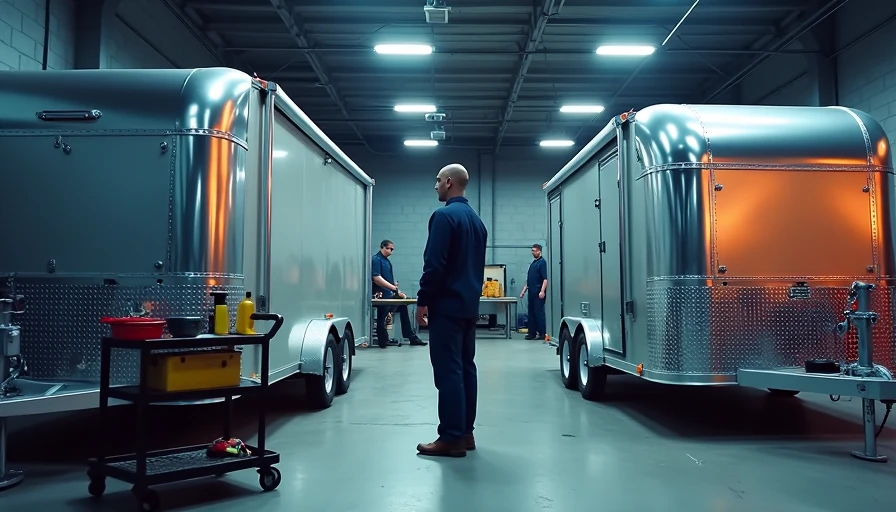
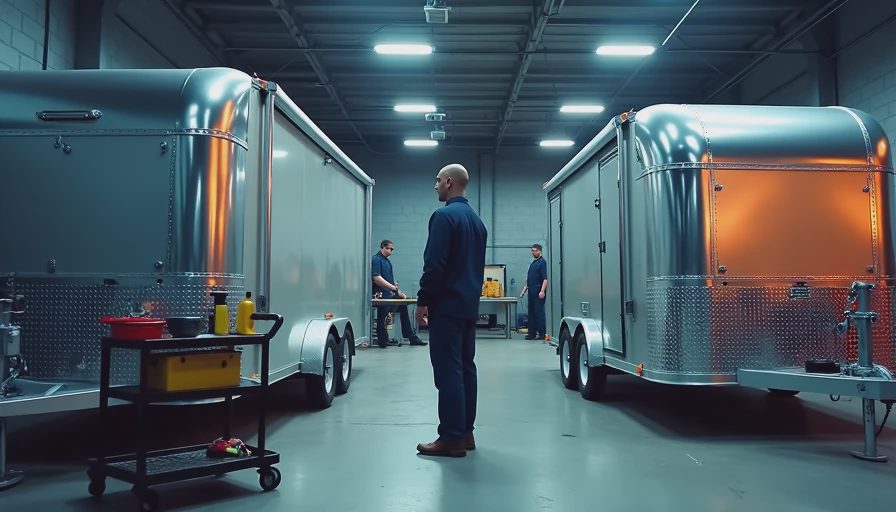
Steel vs aluminum trailer maintenance is not a shop-floor debate about shiny versus tough. It is a budget line tied directly to cost per mile, downtime, resale value, and inspection readiness. If you manage flatbeds, enclosed cargo trailers, utility units, or vocational trailers, the wrong material choice can add labor hours you never planned for. The right choice depends less on marketing and more on your operating environment, repair network, and how long you keep equipment in service.
From a fleet standpoint, I look at three numbers first: annual maintenance labor, corrosion exposure, and out-of-service risk during inspections. Steel usually wins on upfront purchase price and repair familiarity. Aluminum usually wins on rust resistance and lower tare weight. Neither is automatically cheaper over the life of the trailer. What it costs, what it pays back, what it triggers with DOT.
Upfront price is only half the maintenance story
Most fleets start with acquisition cost, and that is fair. Steel trailers often come in lower at purchase, sometimes by several thousand dollars depending on size, body style, and spec. That matters if you are buying ten units instead of one. But steel vs aluminum trailer maintenance should be judged over the service life, not the bid sheet.
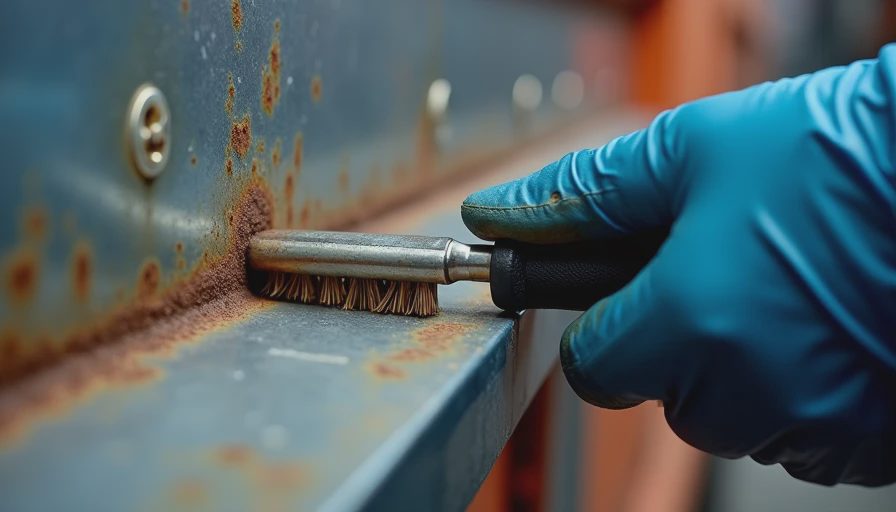
Steel needs a disciplined corrosion-control plan. That means washing road salt, touching up coatings, inspecting welds, and dealing with surface rust before it becomes structural deterioration. If your trailers run in northern winters, coastal humidity, or fertilizer and chemical exposure, those labor hours add up fast. Aluminum does not rust like steel, but it is not maintenance-free. You still need inspections for cracks, fastener loosening, galvanic corrosion where dissimilar metals meet, and damage from overloading or impact.
**Fleet Impact:**
- Steel: lower capex, higher corrosion-prevention workload
- Aluminum: higher capex, lower rust-related labor
- CFO question: are you saving cash today or reducing shop hours over five to ten years?
Corrosion, washing, and coatings drive real labor hours
In my experience, corrosion is where steel vs aluminum trailer maintenance separates into two very different labor models. A steel trailer in a dry regional operation can hold up well with routine coating maintenance. The same trailer in road-salt service can become a recurring paint, sanding, and repair project. Crossmembers, floor supports, door frames, hinges, and exposed fasteners all need attention.
Aluminum buys time in corrosive environments, especially if wash intervals are not perfect. That said, fleet teams make a mistake when they assume aluminum needs less inspection discipline. Watch for white oxidation, pitting in contaminated environments, and galvanic corrosion around steel hardware, brackets, or mounting points. If the trailer body is aluminum but the subcomponents are mixed metals, your PM checklist needs to reflect that.
For DOT readiness, corrosion matters when it compromises structural members, lighting mounts, brake-line supports, or coupling components. Under FMCSA inspection standards, obvious structural deterioration can attract unwanted attention fast. Material choice will not replace preventive maintenance, but it will change how much of that maintenance is corrosion-focused.
Repairs, welding, and downtime are where fleets feel the difference
This is where I tell managers to stop thinking only about material strength and start thinking about repair access. Steel is easier and cheaper to repair in many local markets. More shops can weld it, more techs are comfortable with it, and parts fabrication is generally straightforward. If a trailer gets backed into a dock, clipped on a jobsite, or needs frame reinforcement, steel often returns to service faster.
With aluminum, repairs can be more specialized. Not every shop is equipped for structural aluminum work, and not every weld repair should be handed to a general fab shop. Labor rates may be higher, and scheduling can stretch if your area has limited qualified vendors. That downtime can erase some of the corrosion savings if your operation is hard on trailers.
**Fleet Impact:**
- Steel usually offers broader repair availability and lower welding cost
- Aluminum can reduce routine body corrosion labor but increase event-repair complexity
- Uptime question: which material can your local service network turn faster?
This matters most for fleets without in-house fabrication capability. If you outsource nearly all structural work, map your repair network before you spec the trailer. From our fleet's data, vendor access often matters as much as material properties.
Weight, payload, and tire-brake wear can offset maintenance costs
Steel vs aluminum trailer maintenance should also include what lighter weight does for the rest of the unit. Aluminum trailers usually weigh less, which can improve payload capacity or reduce strain in certain duty cycles. For revenue-generating loads, that extra payload can be worth more than the maintenance difference. Even in non-revenue service, shaving weight can help with tow-vehicle efficiency and reduce wear on tires, brakes, and suspension components over time.
That does not mean aluminum always wins. If operators regularly overload, hit uneven jobsites, or use trailers in severe construction environments, the durability conversation changes. A properly spec'd steel trailer may tolerate abuse better and cost less to put back together after an incident. Material choice has to match duty cycle, not just maintenance theory.
Three numbers your CFO will ask about — here they are first: purchase premium, annual shop hours, and service-life resale. Aluminum often holds visual appeal better, which can support resale. Steel can still pencil out if the fleet has strong wash compliance and low corrosion exposure.
Best fit by use case: when steel wins and when aluminum wins
If your fleet runs seasonal road salt, coastal routes, landscaping, beverage delivery, or high-appearance service where corrosion becomes a constant issue, aluminum often justifies the higher entry price. The lower rust burden can improve uptime and reduce repainting and structural cleanup.
If your trailers operate in rough vocational work, equipment hauling, or environments where impact damage and field repairs are common, steel often makes better operational sense. The repair ecosystem is wider, and the lower purchase cost limits capital exposure.
My practical recommendation on steel vs aluminum trailer maintenance is simple. Choose aluminum when corrosion is your main enemy and payload or appearance matters. Choose steel when abuse, low upfront cost, and easy repairs matter more. Then build PM around the actual failure modes: corrosion control for steel, crack and mixed-metal inspection for aluminum.
The fastest way to save money is not guessing. Review your last 24 months of trailer work orders, split corrosion repairs from impact repairs, and compare downtime days by unit type. That will tell you which material lowers cost per mile in your operation. If you are shopping trailers now, use those numbers before you request quotes and before you lock yourself into the wrong maintenance model.