AI-Driven Fleet Optimization Transforms Vehicle Lifecycle Management and Operational Costs
The Big Picture
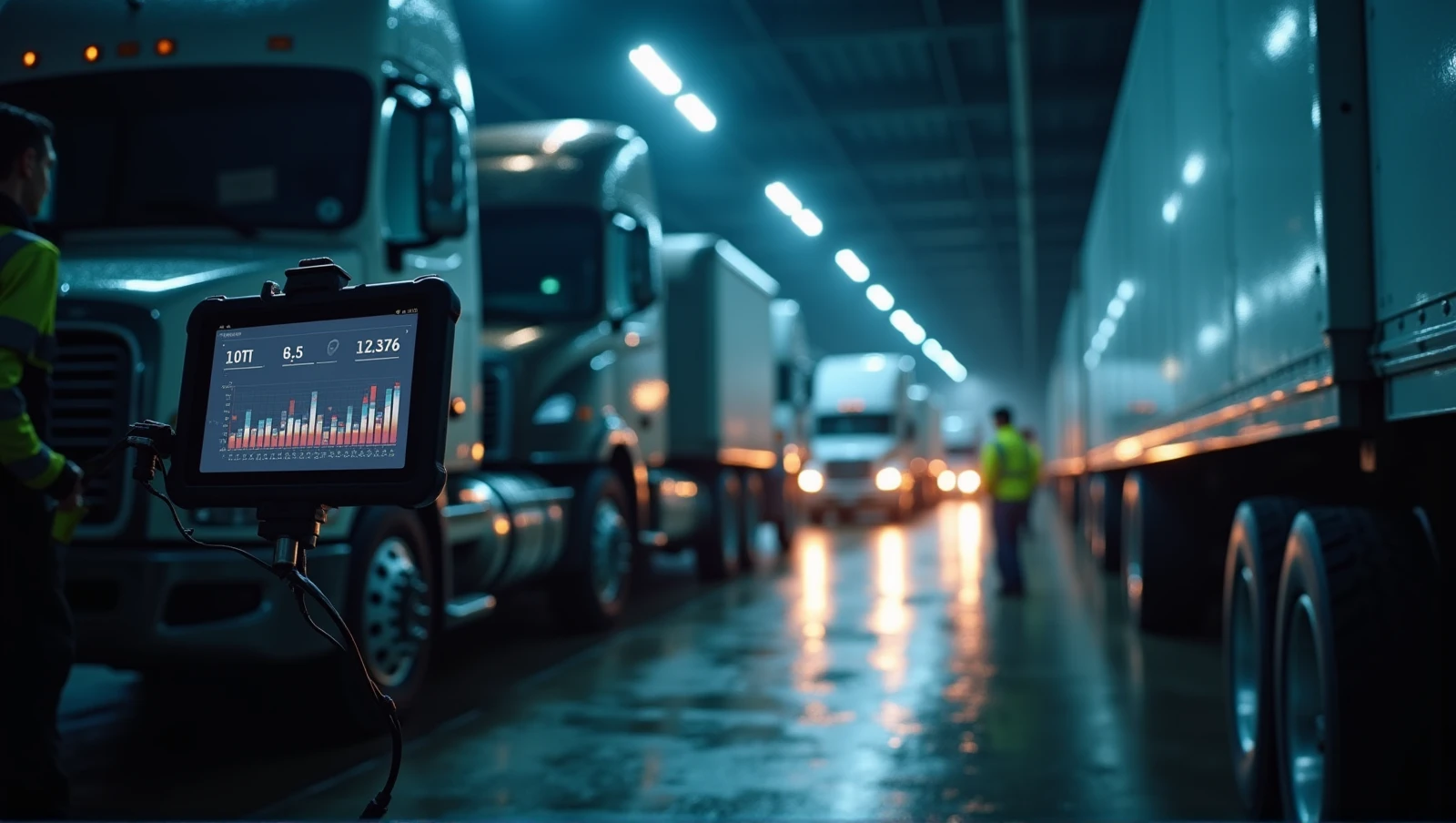
Fleet management is currently undergoing a digital transformation where real-time data serves as the center of operations. For operations managers, the bottom line is clear: accuracy, convenience, and efficiency drive profitability. Artificial intelligence (AI)-powered systems are no longer theoretical; they are essential tools for simplifying vehicle lifecycle management. By empowering management companies to maximize resources, AI facilitates customer experiences that yield long-term partnerships. In an industry where downtime directly correlates to revenue loss, the ability to access real-time data informs every step of the vehicle lifecycle, from acquisition to disposal. This shift allows for end-to-end visualization of fleet lifecycles, surfacing insights that were previously hidden in siloed systems.
Key Details
AI fleet optimization technology provides access to real-time data that creates unified views for teams, vendors, and clients. This digital perspective enables managers to visualize processes, including operational workflows and business rules. A critical capability is the identification of blind spots to surface bottlenecks and their root causes. Instead of relying on retrospective reporting, AI aggregates assisted insights and recommendations with data from internal and vendor systems.
The technology streamlines operations across the entire vehicle lifecycle. This includes ordering, upfitting, remarketing, and every stage in between. Harnessing the power of automation, AI-powered platforms give fleet management the tools to run effectively and efficiently. The goal is managing costs while exceeding client expectations. By providing a unified view of fleet status, managers can improve the customer experience while maintaining strict oversight of asset utilization.
Operational Impact
For a fleet manager, operational efficiency translates to total cost of ownership (TCO) reductions. AI addresses three critical areas: driver safety, asset protection, and fuel management.
Driver Safety and Liability
Drivers play an invaluable role in fleet lifecycle management. AI tools promote safety by alerting managers of unsafe or uncharacteristic driving behaviors. Advanced technology tracks harsh braking, speeding, aggressive driving, and even signs of fatigue such as yawning. These behaviors create liabilities for drivers, clients, and fleet management companies. Beyond data gathering, AI can directly communicate with drivers to offer real-time guidance and correction. Advancing AI capabilities help create safer drivers and safer roads, mitigating regulatory risk and insurance liabilities.
Asset Protection and Tracking
Real-time tracking gives fleet management companies continuous knowledge of vehicle locations. Live fleet tracking helps ensure every asset is accounted for at all times, deterring theft and enabling quick recovery in case of theft or an accident. Having constant GPS data on every vehicle reduces downtime, disruptions, and potential revenue losses.
Route Planning and Fuel
Routing and traffic conditions significantly affect both fuel efficiency and client satisfaction. Planning routes can become a logistical nightmare when accidents or natural disasters cause road closures. AI uses real-time data alerts to determine the fastest, most fuel-efficient routes that conserve vehicle use while prioritizing on-time delivery.
> Fleet Impact
> * Cost Optimization: AI streamlines workflows from ordering to remarketing to manage costs effectively.
> * Uptime: Live tracking and theft recovery reduce downtime and disruptions.
> * Compliance: Safety monitoring tracks behaviors like speeding and harsh braking that create liabilities.
> * Fuel Efficiency: Real-time routing conserves vehicle use and avoids needless miles.
What to Watch
The industry is moving toward unified data ecosystems. Managers should watch for technologies that aggregate AI-assisted insights with data from internal and vendor systems. The ability to surface bottlenecks and root causes quickly will differentiate competitive fleet management operations. Additionally, customer experience is becoming a key differentiator. Providing clients with a unified view of their fleet status fosters transparency. As regulatory scrutiny on driver safety increases, technologies that offer real-time guidance and correction will become standard requirements rather than optional upgrades.
Bottom Line
Fleet management companies, regardless of size, must seek pathways to improve operational efficiency. AI delivers the accuracy and efficiency required to maximize resources. The recommendation for operations managers is to prioritize platforms that offer end-to-end visualization of fleet lifecycles. Focus on solutions that provide real-time data alerts for routing and safety behaviors. The ability to deter theft, recover assets quickly, and conserve fuel through optimized routing directly impacts the bottom line. Implementing AI optimization technology is not just about convenience; it is about securing long-term partnerships and ensuring every asset contributes to profitability.