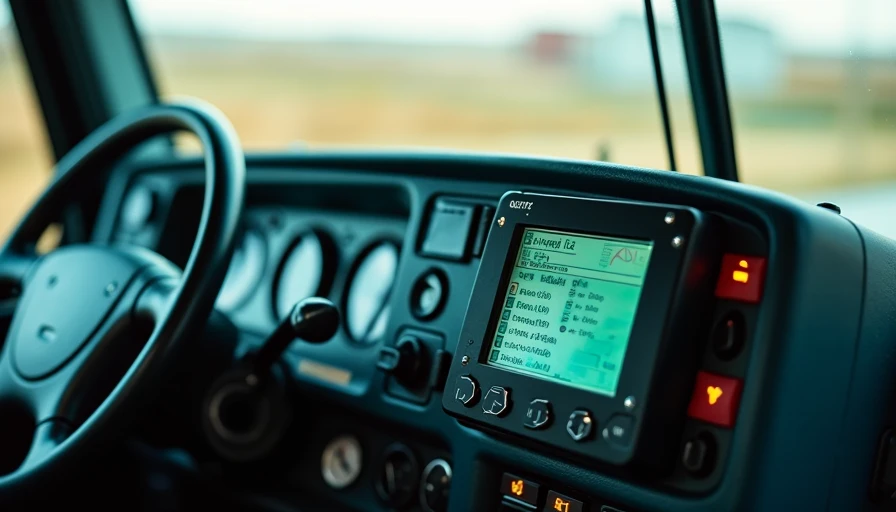
An electronic logging device can protect a fleet from hours-of-service violations, but the purchase is not automatically a win. An electronic logging device that creates bad driver workflows, weak cellular coverage, or inaccurate vehicle data can add payroll disputes and downtime. The right system gives operations a dependable record of duty status, faster roadside inspections, and useful information for scheduling. Here is how I evaluate one from a 400-plus-vehicle fleet manager's point of view: what it costs, what it pays back, and what it triggers with DOT.
What an electronic logging device actually does
An electronic logging device connects to a commercial motor vehicle's engine and records driving time, duty status changes, vehicle movement, identification data, and supporting information. Under the Federal Motor Carrier Safety Administration's ELD rule, most drivers required to maintain records of duty status must use a compliant device. The core requirements are found in 49 CFR Part 395, including sections 395.8 and 395.22.
That does not mean every vehicle needs identical equipment. A short-haul driver who qualifies for the applicable timecard exception may not need to use the device in the same way as a long-haul driver. Other exceptions can apply to drivers using vehicles manufactured before model year 2000, driveaway-towaway operations, and drivers who keep records of duty status for no more than eight days in any rolling 30-day period. Verify the facts for your operation before treating an exception as a purchasing strategy.
The device must also support the required data-transfer process during an inspection. A driver should know how to display logs, review unassigned driving, annotate an event, and produce the requested output without calling dispatch from the shoulder. That training is a compliance control, not an optional software tutorial.
Build the business case before buying
Three numbers your CFO will ask about are here first: monthly cost per truck, administrative hours saved, and preventable violations avoided. Basic electronic logging device plans often land around $15 to $50 per vehicle per month, while broader telematics packages can run $40 to $100 or more. Hardware, installation, implementation, support, cellular service, and contract terms can move the total substantially.
For a 100-truck operation, a $35 monthly platform is $42,000 per year before installation and internal labor. That expense has to produce measurable value. Start with current costs: payroll corrections, paper-log review, roadside inspection delays, out-of-route miles, unproductive detention, and compliance staff time. If two coordinators each spend 20 hours per week reviewing logs, even a partial reduction can fund a meaningful portion of the system.
Fleet Impact: A practical payback model is monthly savings from recovered productive hours, fewer manual review hours, and reduced violation exposure minus subscription and support cost. Do not count theoretical fuel savings unless the platform actually controls or changes driver behavior. A system that cuts idle time is a different business case from an electronic logging device used only for hours-of-service records.
Request a complete quote that separates recurring fees from one-time costs. Ask about replacement hardware, early termination, inactive vehicles, data retention, API access, and installation labor. A low advertised price can become expensive when a fleet adds reefer sensors, dash cameras, trailer tracking, or custom integrations.
Compliance details that deserve management attention
A compliant electronic logging device does not make a fleet compliant by itself. Dispatchers can still create pressure that causes a driver to exceed available hours. Maintenance can still leave a truck unavailable. Payroll can still use incorrect edits. Management needs a written process for log edits, personal conveyance, yard moves, unidentified driving, and malfunction handling.
Drivers must review and certify their records, while authorized personnel should make edits only for legitimate business reasons and preserve the driver's ability to accept or reject them. Personal conveyance is not a way to hide a repositioning trip for the carrier. Yard moves also require disciplined use because a status change affects the record but does not erase time already spent working.
When an electronic logging device malfunctions, the driver generally must follow the required paper-record and notification procedures, and the carrier must address the problem within the regulatory timeframe. Keep blank logs, a malfunction instruction sheet, and a support number in every cab. During an inspection, missing backup procedures can turn a device problem into a preventable operational failure.
Review the provider's FMCSA registration and certification information before deployment. Keep records of required supporting documents, inspection outputs, and policy acknowledgments. Regulations and interpretations can change, so assign one person to monitor FMCSA updates rather than relying on a vendor newsletter alone.

Choosing hardware and software for real routes
Test the electronic logging device on the routes where your fleet actually loses time. A Dallas-to-Houston regional route, a rural Midwest delivery loop, and a city route with frequent stops will expose different weaknesses. Check startup time, GPS accuracy, Bluetooth pairing, cellular recovery, cold-weather performance, and what happens when a driver enters an area with poor coverage.
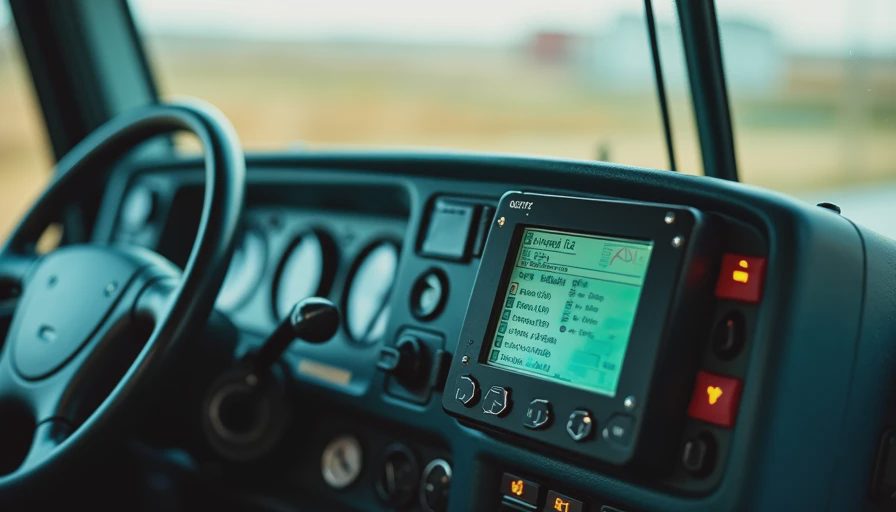
Avoid selecting on the dashboard alone. A clean screen does not prove that dispatch can resolve unidentified driving quickly or that payroll can export dependable hours. Ask to see the driver workflow for a log edit, a roadside inspection transfer, a device swap, and a truck reassignment. If those tasks require four departments and a ticket queue, the cost will appear in overtime and frustration.
Brand recognition is not a substitute for testing. Platforms from providers such as Motive, Samsara, Geotab, and Verizon Connect can offer different combinations of ELD compliance, cameras, maintenance data, routing, and APIs. Compare the features your fleet will use, not the largest feature list in a sales presentation. Require references from operations with similar vehicle classes and route density.
Implementation without wrecking uptime
Roll out in phases. Start with 10 to 20 vehicles that represent different cab configurations, drivers, terminals, and service areas. Measure installation minutes, login failures, lost connectivity, unidentified miles, support calls, and payroll corrections for at least several weeks. Fix the policy and training problems before installing across the fleet.
Use a one-page cab card with login steps, duty-status definitions, inspection instructions, and malfunction contacts. Train supervisors separately from drivers because a manager who casually tells a driver to edit a record can undermine the entire program. Freeze unnecessary configuration changes during the first month, then review exception reports every morning.
One electronic logging device per truck is not enough planning for a mixed fleet. Budget spares, replacement cables, mounting hardware, and an installation appointment process. Tie device inventory to vehicle numbers so a truck sold, leased, or moved between terminals does not leave orphaned subscriptions or incorrect driver assignments.
The weekly scorecard I would use
Track five measures: hours-of-service violations, unidentified driving minutes, log edits per driver, malfunction incidents, and average support resolution time. Add productive miles per paid hour if the system is connected to dispatch data. Watch trends by terminal and supervisor rather than using the numbers only to discipline individual drivers.
A rising edit count can indicate training trouble or a dispatch practice that creates bad records. Frequent unidentified driving can point to shared trucks, delayed driver logins, or poor assignment controls. Repeated malfunctions on one vehicle can indicate a wiring or power issue rather than a software problem.
Review the scorecard monthly with maintenance, safety, payroll, and dispatch. The best electronic logging device program becomes part of normal fleet control: fewer surprises at inspection, cleaner payroll, and better decisions about whether a route can be covered legally with the available equipment and drivers. That is the return worth paying for.