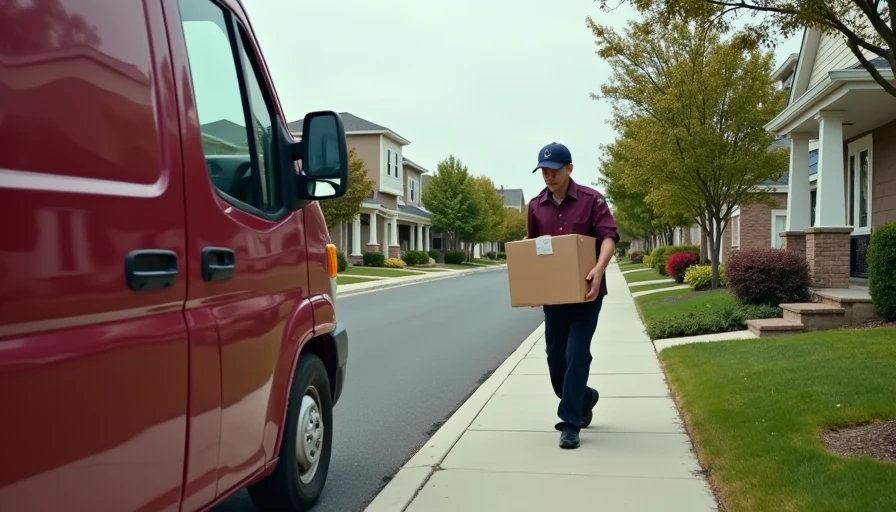
Last mile delivery has the highest stop density, curbside exposure, and claims friction in many commercial fleets. A driver may cover only 80 miles but make 100 stops, reverse into tight alleys, handle customer property, and work from a vehicle that never gets a long highway reset. That operating pattern changes the insurance conversation. Last mile delivery coverage should be built around actual vehicle use, driver activity, cargo, and downtime—not simply the number printed on the odometer.
I manage mixed medium-duty trucks, sprinter vans, and electric vehicles in Texas, and I look at insurance through three numbers: cost per mile, lost operating hours, and uninsured exposure. The cheapest premium is not necessarily the cheapest program. A $1,500 claim can become a $12,000 event when a vehicle sits for weeks, a route must be outsourced, and a customer demands proof of delivery. Here is how to structure the review.
Start with the operating profile
The first step is documenting what last mile delivery actually looks like. Give your broker vehicle counts by class, annual mileage, delivery radius, overnight parking location, average stops per shift, driver tenure, and whether employees load or unload goods. Include subcontracted routes and any personal use. An insurer pricing a cargo van for regional commuting is working from the wrong risk profile if that van makes repeated urban stops all day.
Separate owned vehicles from leased vehicles and identify who holds the title. Physical damage coverage typically includes collision and comprehensive protection, subject to a deductible. Collision responds to many crash losses; comprehensive generally addresses non-collision events such as theft, hail, glass damage, or fire. For a working van, choosing a $1,000 deductible instead of $500 can lower premium, but the fleet must keep enough cash available to absorb several losses in one storm.
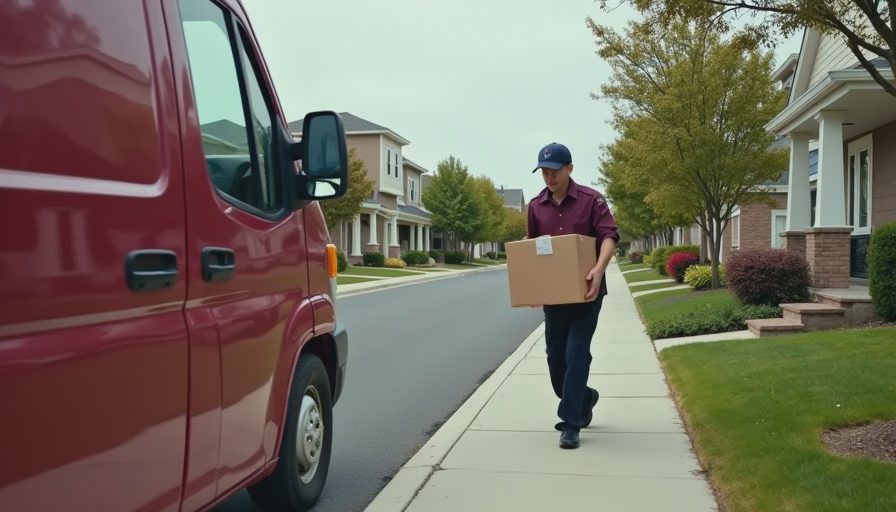
Last mile delivery also creates frequent loading-zone incidents. Record backing events, curb strikes, mirror damage, and claims involving unattended vehicles. Those details help an underwriter see whether your controls are improving rather than treating every loss as the same.
Build coverage around the vehicle and cargo
Commercial auto liability is the foundation. It pays for covered bodily injury and property damage claims caused by an insured vehicle, up to the policy limit. Select limits based on contracts, asset value, route exposure, and the seriousness of a multi-vehicle crash. Many shippers and municipalities require evidence of insurance before awarding work, so a certificate alone is not a substitute for reading the actual policy and endorsements.
Physical damage coverage protects the vehicle, not automatically everything inside it. Cargo coverage addresses goods being transported, but limits, exclusions, deductibles, temperature requirements, theft conditions, and unattended-vehicle rules matter. A $75,000 electronics load and a $4,000 parcel route should not be evaluated with the same cargo assumptions. Ask whether coverage applies during loading, temporary storage, delivery, and returns.
If drivers use personal vehicles for company errands, hired and non-owned auto coverage deserves attention. It can address certain liability exposures created by vehicles the business does not own, but it does not replace the employee's personal auto policy or automatically cover damage to that vehicle. Put the arrangement in writing and require proof of insurance before allowing personal vehicles on a route.
Fleet Impact: price downtime, not just premium
The real cost of last mile delivery is often vehicle downtime. Suppose a van produces $420 in daily gross route revenue and needs four days of body repair after a preventable backing loss. The visible deductible might be $1,000, but the operational impact can include $1,680 in missed route revenue, $600 for rental or subcontract capacity, overtime, and a customer-service escalation. That makes a $3,000 event materially larger than the adjuster's repair estimate.
Ask the broker and carrier how rental reimbursement, substitute transportation, and claims handling fit your operation. Rental limits that work for a sedan may not provide a high-roof cargo van or refrigerated unit. Confirm daily limits, maximum days, and whether a suitable replacement is realistically available in your market. A policy that pays quickly can be worth more than a slightly lower premium with a slow repair process.
From our fleet's data, scheduled preventive maintenance and driver coaching reduce the incidents that create both claims and downtime. Telematics can flag harsh braking, speeding, excessive idling, and repeated hard backing. Those systems do not replace training, but they give supervisors a defensible way to coach a pattern before it becomes an insurance loss.
Control the risks insurers actually see
Last mile delivery needs a written backing policy, a documented vehicle inspection process, and a clear accident-reporting procedure. Require drivers to photograph the scene, exchange information safely, notify dispatch, and avoid admitting fault. Preserve dashcam footage and telematics data. A claim reported promptly with clean evidence is easier to manage than a claim reconstructed weeks later from memory.
Review driver qualification and motor vehicle records on a schedule appropriate for your operation. For fleets subject to Federal Motor Carrier Safety Administration rules, maintain the records and inspections required by the applicable regulations. Not every local delivery vehicle has the same federal classification or operating authority, so do not copy a trucking policy without checking which requirements apply. DOT compliance is part of risk control, but it is not a substitute for proper insurance.
Parking and key control matter too. Keep vehicles in a secured, well-lit location, limit overnight cargo where practical, and use alarm or tracking technology for higher-theft loads. Document who can access keys, who can authorize a substitute driver, and what happens when a vehicle is taken home.

Compare quotes on equal terms
A quote comparison only works when every carrier receives the same exposure data and requested limits. Compare liability limits, physical damage deductibles, cargo limits, hired and non-owned auto terms, rental coverage, roadside assistance, and exclusions in one worksheet. Also compare the carrier's claims reporting method and repair-network access. A quote that omits cargo or uses a much higher deductible is not a true premium savings comparison.
For a 25-van operation, request the loss runs and exposure schedule used by the underwriter. Correcting an outdated vehicle list can remove a vehicle that was sold or add one that was never insured, either of which affects the result. Ask for separate pricing scenarios at $500, $1,000, and $2,500 physical damage deductibles. Then calculate the break-even point using your actual claim frequency and cash reserves.
The same method applies when adding electric vans. Battery damage, charging location, towing procedures, and manufacturer repair capability should be discussed before a loss. An electric vehicle can have a different downtime profile even when its liability exposure looks similar to a gasoline van.
A practical renewal checklist
Begin 90 days before renewal. Pull twelve months of mileage, routes, driver changes, claims, vehicle additions, maintenance downtime, and subcontractor invoices. Separate preventable losses from weather, theft, and third-party events. Show completed training, dashcam adoption, inspection compliance, and corrective actions. Underwriters need evidence that the operation learned from losses.
Then ask five direct questions: What is excluded? What is the cargo limit per vehicle and per occurrence? How long can a replacement vehicle be supplied? What happens when a driver uses a non-owned vehicle? Which safety documentation will support a favorable renewal review? Put every answer in writing.
Last mile delivery insurance is a production expense, but it is also a continuity tool. The right structure protects liability, cargo, vehicles, and route capacity while giving management a clearer cost-per-mile number. Review the program with your broker, operations lead, and finance team together. What it costs, what it pays back, what it triggers with DOT—that is the decision worth making.