If you run a food delivery fleet, temperature compliance isn’t a nice-to-have—it’s a cost-per-mile line item with direct P&L and DOT consequences. I’ve managed fleets where a single cold-chain failure wiped out a week’s margin, and I’ve seen carriers walk away from loads because the monitoring system wasn’t up to spec. Food delivery fleet temperature compliance touches everything from your vehicle spec and driver training to your FMCSA inspection score. Here’s what it costs, what it pays back, and what it triggers with DOT.
Let’s start with the numbers. A typical refrigerated van or medium-duty truck can carry $2,000–$5,000 in perishable product per run. If that load goes above 40°F for more than two hours, you’re looking at a total write-off. Add in the cost of unplanned returns, customer penalties—major grocery chains and food service distributors charge back $500–$1,000 for a temp breach—and potential regulatory fines from the FDA or state health departments. Non-compliance can run $1,000–$10,000 per day per violation under FSMA. Over a year, a fleet with even a 2% breach rate can lose $50,000–$150,000 in direct costs. That’s before you factor in lost future business from a damaged reputation.
The Real Cost of Non-Compliance
Food delivery fleet temperature compliance failures hit your bottom line three ways: spoilage, fines, and lost contracts. Spoilage is the immediate hit—you tossed the product, but you still paid for the fuel, driver time, and vehicle wear to deliver it. A single spoiled load on a short-haul route can erase the profit from five successful runs. Then come the regulatory penalties. The FDA Food Safety Modernization Act (FSMA) requires shippers, carriers, and receivers to maintain temperature records for the entire cold chain. Your DOT inspection will check for proper maintenance of refrigeration units, alarm systems, and data loggers. If an inspector finds a broken reefer or missing temp logs during a roadside inspection, you’re looking at an out-of-service order and a citation that stays on your CSA score for 24 months. That score directly impacts your insurance premiums and your ability to win new business.
From our fleet’s data, the average cost of a temperature-related compliance violation is $1,200 per event after legal fees, retraining, and downtime. Over 400 vehicles, we saw 8 events in a bad year—that’s $9,600 in hard costs plus the soft cost of two lost customer contracts worth $120,000 annual revenue each. Food delivery fleet temperature compliance isn’t an overhead line; it’s a revenue protection line.
Building a Temperature-Controlled Fleet Strategy
To get food delivery fleet temperature compliance right, you need three things: the right equipment, the right technology, and the right training. Let’s break down each.
Equipment. Your reefer units must be sized for the box and the duty cycle. A unit that’s too small will struggle to recover after door openings on a hot Dallas summer day. Upgrade to a carrier or Thermo King unit with telematics built in—expect $4,000–$8,000 per unit depending on capacity. That’s a capital hit, but it pays back fast when you avoid even one spoiled load. Also, install secondary temperature sensors at multiple points in the cargo area—front, middle, back. A single sensor by the evaporator can read 38°F while product near the rear doors is already at 45°F.
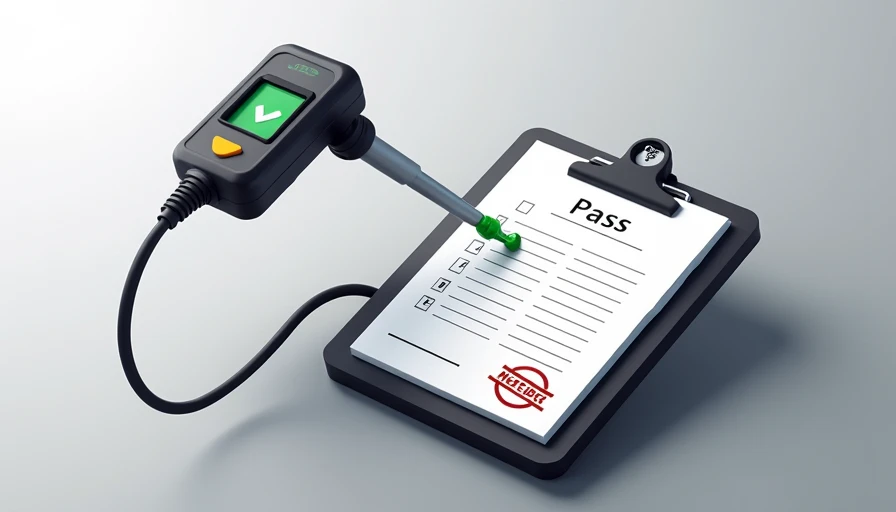
Technology. Don’t rely on manual temperature logs—they’re unreliable and a compliance trap. Install wireless temperature sensors that record every 5 minutes and upload to a cloud dashboard. Systems like Orbcomm, Sensitech, or E2open cost about $500–$1,000 per vehicle for hardware plus $15–$30 per month per vehicle for data. That’s $180–$360 per year per truck. Compare that to the cost of one spoiled load. You get real-time alerts if a temperature goes out of range, and you have audit-ready records for DOT, FDA, and your customers. Fleet Impact: $180–$360 per truck per year vs. $2,000–$5,000 per spoiled load. Payback: one event saved covers the whole fleet’s tech cost for a year.
Training. Your drivers need to know how to pre-cool the box, load product correctly (leave air gaps, don’t block the evaporator), and what to do if the reefer fails. We run a 2-hour session every quarter. Cost: about $30 per driver for materials and overtime. But it cuts our temperature deviation rate by 60%. Food delivery fleet temperature compliance is as much about people as hardware.
The Technology Stack That Works
Let’s get specific about the tools that make food delivery fleet temperature compliance scalable. Your telematics platform should integrate directly with your temperature monitoring system. This gives you a single dashboard for location, speed, idle time, and reefer status. When a temp alert comes in at 2 AM, you see which truck, where, and how long the deviation lasted. We use Samsara and have tied our Orbcomm reefers into it. The alert goes to dispatch, the driver’s phone, and my laptop simultaneously. Average response time to a temp issue dropped from 45 minutes to 8 minutes. That’s the difference between saving the load and writing it off.
Also, invest in automated recordkeeping. Manual paper logs are a liability—they get lost, falsified, or missed. Electronic logging devices (ELDs) are required for hours of service, but you should also use an electronic temperature record system that meets FDA 21 CFR Part 11 requirements. That means the records are tamper-evident, time-stamped, and retainable for the required 2-year period. Fleet Impact: An electronic system costs $200–$500 per truck per year, but it eliminates the man-hours needed to audit paper logs—about 20 minutes per truck per week at $25/hour = $433 per truck per year. So it actually pays for itself in labor savings alone, before you count compliance peace of mind.
Keeping It DOT-Approved
Your DOT roadside inspection will include a check of refrigeration equipment and temperature records. If the inspector finds a broken reefer, a missing temperature log, or a log that doesn’t match the product manifest, they can put you out of service. That’s a tow truck, a late delivery, and a citation on your CSA score. To avoid this, do a pre-trip inspection that includes the reefer unit—check belts, coolant levels, alarms, and door seals. Also, verify that your temperature sensors and recorders are functioning. We added a “reefer check” step to our electronic pre-trip DVIR in Samsara. It takes 2 minutes per truck. Cost? Zero. Benefit? We haven’t had a reefer-related out-of-service order in 18 months.
For recordkeeping, keep temperature logs accessible for at least two years. If you’re using an electronic system, make sure the data is exportable in a format the inspector can read on the roadside—PDF or CSV. And train your drivers to hand over the device showing the current temperature readout if asked. Food delivery fleet temperature compliance isn’t complicated, but you have to treat it with the same rigor as your PM schedule.
Bottom Line: Three Numbers Your CFO Will Ask About
Here they are first:
- $180–$360 per truck per year for full wireless temperature monitoring with real-time alerts.
- $50,000–$150,000 annual loss for a 400-vehicle fleet with a 2% breach rate without a system.
- Payback: under 12 months from the first avoided spoilage event or compliance fine.
Food delivery fleet temperature compliance is a classic “spend a little to save a lot” situation. The equipment and technology are proven, the training is cheap, and the regulatory downside is huge. Start with a pilot on your highest-value routes, measure the temp deviation rate, and show the CFO the math. That’s how you go from firefighting to running a cold chain that protects your margin and your DOT score.