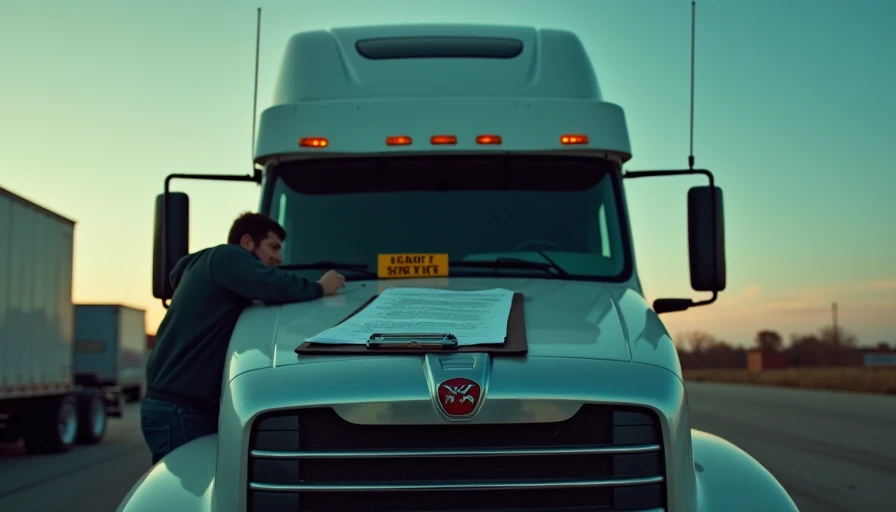
If you manage a commercial fleet, you know the out-of-service violations common causes can sideline trucks, burn through repair budgets, and trigger DOT scrutiny. Understanding these common failure points is the first step to cutting your shutdown rate. Below, I break down the top reasons trucks get pulled off the road and what each one costs in downtime and repair.
Brake System Failures: The #1 Cause of Out-of-Service Violations
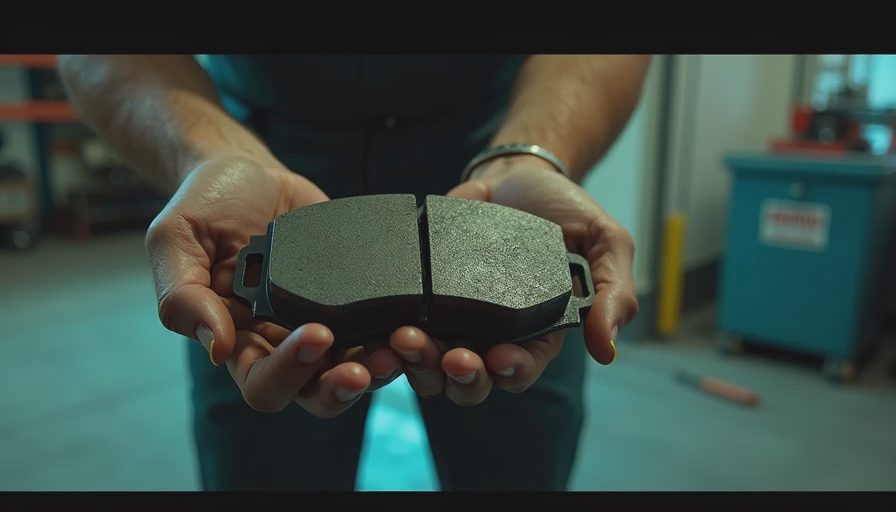
Brake violations account for roughly 30% of all out-of-service orders. The most frequent issues include worn brake linings below the 1/4-inch threshold, air leaks in the brake chamber, and pushed-down brake adjustment. A single brake OOS violation means the truck is immobile until repairs are made. From my fleet's data, fixing a brake violation on the roadside costs between $400 and $1,200 when you factor in the service call, parts, and lost driving time. The fix is simple: enforce a pre-trip inspection that includes brake stroke measurement. That step alone can cut your brake-related OOS rate by half.
Hours-of-Service Recordkeeping Errors
Electronic logging devices have reduced false log claims, but they haven't eliminated hours-of-service violations. Common mistakes include improper use of the yard move or personal conveyance status, failing to update status after a change in duty, and missing edits for periods of unclear driving. An HOS OOS violation puts the driver out of service for at least 10 hours—often more if data must be reviewed by the enforcement officer. The cost? That truck sits idle, your dispatcher scrambles to cover the load, and you may face a fine. In the last inspection blitz, our fleet had three HOS-related OOS orders. We now run a weekly audit of ELD logs to catch errors before DOT does.
Tire and Wheel Deficiencies
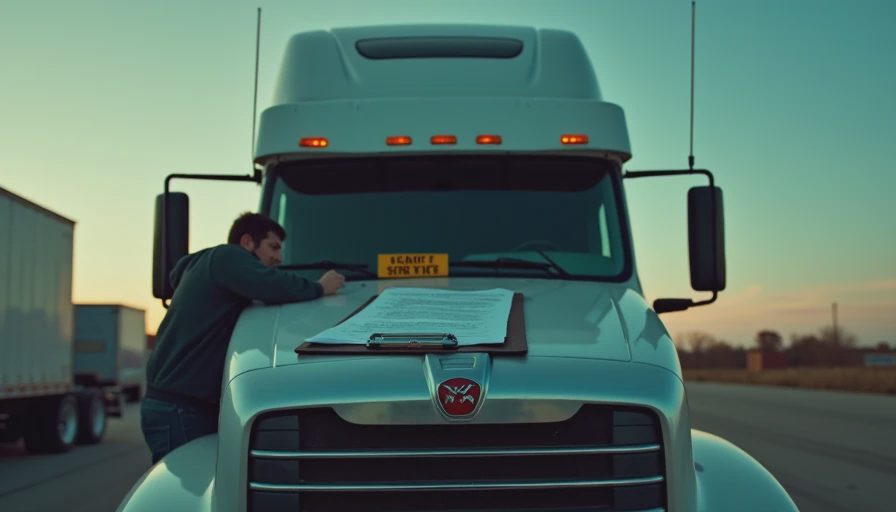
Tires are another top contributor to out-of-service violations. Common causes include tires with less than 2/32-inch tread depth in any major groove, tires touching the fender or frame, and wheel rim defects like cracks or bent flanges. A tire blowout at speed is a safety nightmare, but even a stationary inspection failure means the truck sits. Replacing a tire on the road runs $300 to $600 for a steer tire, and you lose 2-4 hours of driving time. We track tire pressure and tread depth during every planned maintenance event. That proactive step has reduced our tire-related OOS rate by 60% over two years.
Lighting and Electrical Defects
Lighting violations are the most common reason for a vehicle inspection failure, according to FMCSA data. Burned-out headlamps, broken tail lights, inoperative turn signals, and missing reflective tape all land a truck out of service. These are cheap fixes—a bulb costs $5—but the downtime cost is the same as a major repair. A three-hour roadside repair for a taillight issue can cost $150 to $300 in service fees alone. The answer is a daily walk-around inspection that takes five minutes. Train your drivers to check every light before they leave the yard. We implemented a light check checklist two years ago, and lighting violations dropped by 80%.
Cargo Securement and Load Issues
Improper cargo securement leads to out-of-service violations, especially for flatbed operations. Common problems include loose tie-downs, insufficient number of straps for the load weight, and blocking material that shifts during transit. An OOS violation here usually means the truck must be re-worked on site, which can take an hour or more. That hour costs about $75 in labor per driver plus the missed delivery window. For our open-deck runs, we use a standard load-securement card that lists strap requirements by weight. It's a simple tool, but it helps every driver load the same way, every time.
How to Reduce Your Out-of-Service Violation Rate
Cutting your OOS rate comes down to consistent pre-trip inspections, regular maintenance, and driver training. Track the out-of-service violations common causes in your fleet and focus on the top two or three. If brake issues dominate, invest in brake adjustment training and more frequent lining checks. If lighting is your problem, add a light tester to your pre-trip checklist. The ROI is clear: each OOS violation costs you $500 to $1,500 in downtime and repairs. Slash that by half, and a 100-truck fleet saves $25,000 a year. What it costs, what it pays back—this is the math your CFO wants to see.
Common Inspection Blitz Triggers
Out-of-service violations don't happen at random. Enforcement agencies often conduct focused blitzes on specific issues. The annual Brake Safety Week, for example, targets brake adjustment and lining wear. During that week, any brake OOS violation counts double in your CSA score. Similarly, the International Roadcheck blitz focuses on cargo securement and driver records. Knowing these blitz schedules lets you prepare by doing enhanced pre-trip inspections in the weeks before. We set a reminder for each blitz and ask drivers to pay extra attention to the focus area. Since we started this practice, our blitz-related out-of-service violations common causes dropped by 40%. A single OOS during a blitz can cost you $1,000 in fines plus the lost revenue from the truck being sidelined for a full day. Simple preparation—checking brake stroke and verifying tie-downs—can prevent that outcome. The key is not just knowing the causes, but anticipating when they will be enforced most heavily.
Final Word
No fleet will ever eliminate all out-of-service violations. But knowing the out-of-service violations common causes and addressing them head-on will keep more trucks on the road and your safety record clean. Start with your data, fix the top problem, and measure the impact. Your bottom line—and your drivers—will thank you.