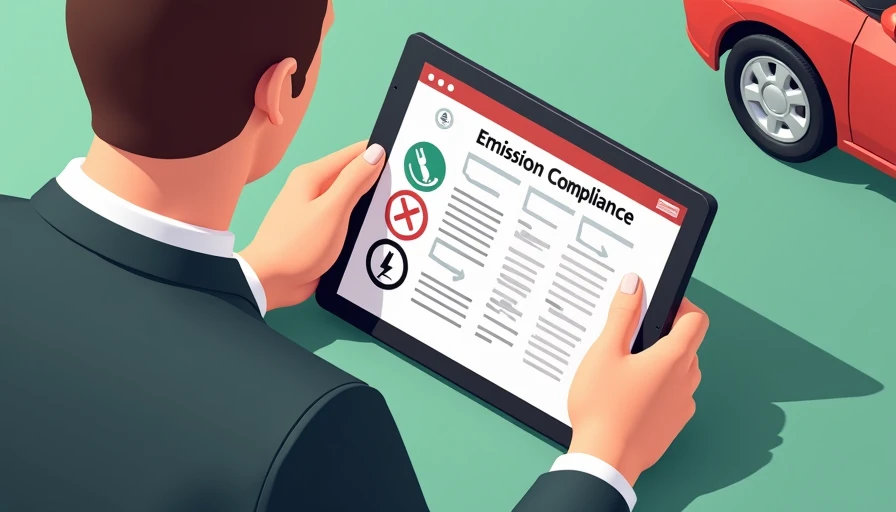
If you are learning how to meet euro 7 regulations, start with the budget, not the brochure. Euro 7 affects vehicle specifications, supplier documentation, testing, maintenance planning, and the timing of new purchases. For a U.S.-based fleet, the rule usually matters when you buy vehicles built for the European market, operate an international business, or source platforms with global type approval. The cost is not just a cleaner engine. It can include engineering changes, battery durability evidence, brake testing, software validation, and additional procurement work.
The European Union adopted Euro 7 as Regulation (EU) 2024/1257. It broadens emissions control beyond tailpipe gases. The framework also addresses brake particle emissions, tire abrasion, battery durability for electric and plug-in vehicles, and the vehicle's performance over a longer useful life. Application dates differ by vehicle category and type approval, so putting one date on a fleet calendar is a mistake.
Start with the vehicles and deadlines that actually apply
The first step in how to meet euro 7 regulations is building an applicability matrix. Separate passenger cars and light commercial vehicles from buses, medium-duty trucks, heavy trucks, trailers, and other categories. For cars and vans, new vehicle types face the requirements earlier than all newly registered vehicles. Heavy-duty vehicle deadlines follow a different schedule. Confirm the current dates with your regulatory counsel, OEM, and the EU type-approval authority before placing orders.
Your matrix should include vehicle class, intended market, powertrain, body configuration, type-approval status, production date, registration date, and replacement date. Add a column for whether the vehicle is purchased, leased, imported, or transferred between subsidiaries. That last detail matters because a truck compliant for one market may not have the documentation needed for another.
For a 400-vehicle operation, I would begin with the 20 percent of units scheduled for replacement in the next 24 months. Mark every model that could cross an application deadline during production or delivery. A delayed chassis can turn a planned capital purchase into an out-of-cycle order, which affects depreciation, rental coverage, and driver training.
Fleet Impact: The immediate payback is avoiding a stranded order. A two-week review of specifications can prevent months of delay, an unexpected certification change, or a vehicle arriving without the records your compliance team needs.
Build an emissions and compliance evidence file
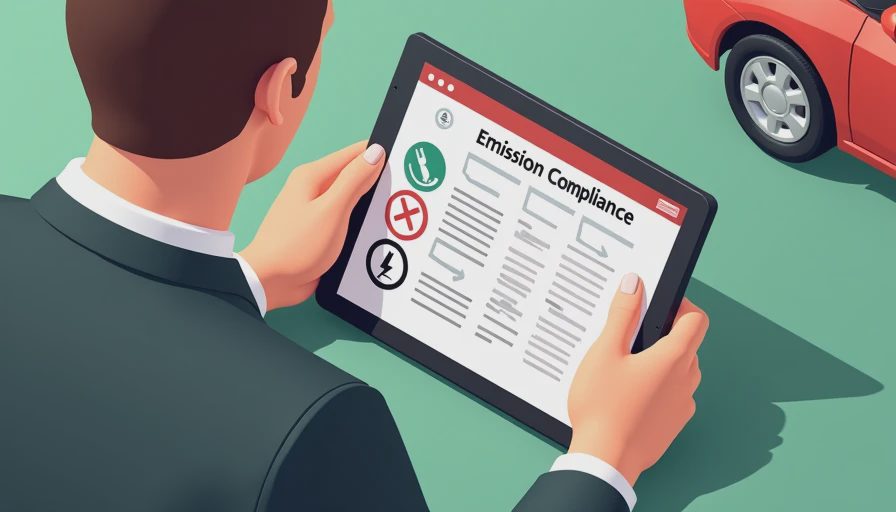
Knowing how to meet euro 7 regulations requires more than receiving a statement that a vehicle is Euro 7 compliant. Request the actual evidence package from the manufacturer or importer. At minimum, ask for the applicable type-approval reference, emissions test scope, conformity documentation, durability assumptions, and maintenance conditions used during testing.
For combustion vehicles, review nitrogen oxides, particulate number, carbon monoxide, hydrocarbons, and other regulated pollutants relevant to the vehicle category. Ask how real-driving emissions testing is handled and whether the engine-control software records events that can be retrieved during service. A fleet should know whether an emissions fault creates an immediate repair requirement, a warning period, or a registration issue.
For electric and plug-in vehicles, battery durability deserves its own file. Record the usable battery capacity at delivery, warranty threshold, test method, thermal-management requirements, and expected degradation limits. Do not treat a high-voltage battery warranty as proof of every Euro 7 durability requirement. Those documents answer different questions.
Store certificates, software versions, calibration records, repair invoices, and component substitutions by vehicle identification number. If an engine controller, exhaust aftertreatment component, brake system, or battery module changes, preserve the work order and part number. That documentation supports warranty recovery and gives your compliance team a defensible audit trail.
Engineer maintenance around the rule, not around habit
The practical answer to how to meet euro 7 regulations sits in the maintenance bay. Euro 7 does not eliminate the need for preventive maintenance; it makes neglected maintenance more expensive. A clogged diesel particulate filter, failed NOx sensor, incorrect low-ash oil, or damaged exhaust temperature sensor can push a vehicle outside its approved operating condition.
Update preventive-maintenance job plans for emissions equipment. Include visual checks of wiring, exhaust joints, sensors, dosing lines, thermal shields, and battery cooling circuits. Add diagnostic-code review to scheduled service instead of waiting for a dashboard warning. Train technicians to document software updates and calibration changes, including the date, mileage, and reason for the update.
Brake and tire wear also belong in the plan. Euro 7 covers non-exhaust emissions, so specification teams should compare brake materials, regenerative-braking strategies, axle loads, tire compounds, and route duty cycles. A stop-and-go delivery van, a regional tractor, and a highway coach will not generate the same wear profile.
From our fleet's data, the cheapest time to fix an emissions-related issue is during scheduled downtime. A sensor replacement during a planned service may cost a few hundred dollars in parts and labor. The same repair during a failed inspection or roadside event can add towing, substitute equipment, missed deliveries, and overtime.
Tie procurement decisions to total cost per mile
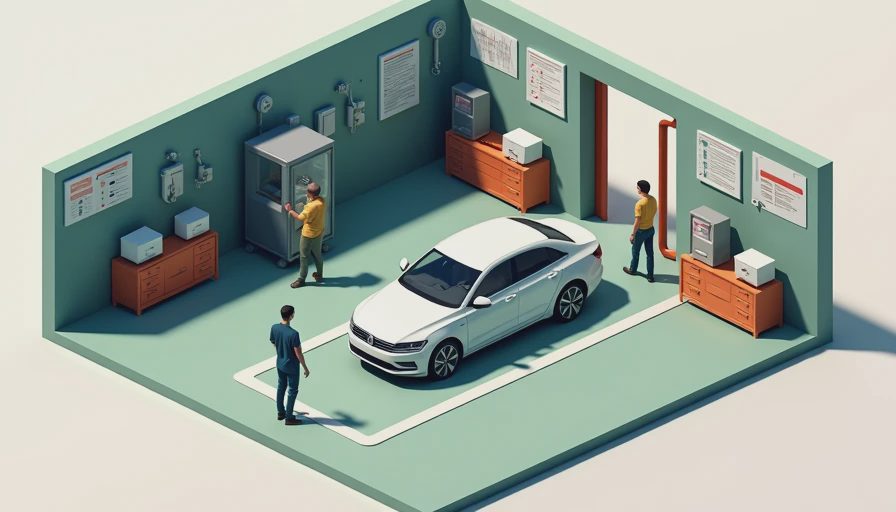
When deciding how to meet euro 7 regulations, do not compare purchase prices alone. Create a total-cost model with acquisition cost, fuel or electricity consumption, maintenance labor, aftertreatment parts, battery warranty exposure, tire and brake wear, downtime, residual value, and compliance administration.
A vehicle that costs $4,000 more at acquisition could still be the better choice if it reduces unplanned downtime by one day per quarter or avoids a specialized retrofit. Conversely, expensive emissions hardware is not automatically a good investment if the truck spends most of its life below the duty cycle used in the sales presentation.
Ask each supplier the same questions. What tests support the approval? Which parts are expected to require replacement? What diagnostic tools and technician training are required? How long are software updates available? What happens if a component is backordered? Which records transfer to the next owner at lease return?
Use a five-year or planned-replacement horizon. Show your CFO a low, expected, and high maintenance scenario rather than a single optimistic number. The decision should identify both the expected cost per mile and the financial consequence of a compliance-related vehicle hold.
Coordinate legal, operations, and technical teams
A common failure is assigning Euro 7 to the maintenance manager alone. Legal needs to confirm market obligations and contract language. Procurement needs compliant specifications and delivery controls. Operations needs route and payload information. Maintenance needs tools, parts, training, and diagnostic access. Finance needs a replacement budget that reflects the actual application schedule.
Create a monthly review until the affected orders are delivered. Track regulatory updates, OEM bulletins, open supplier questions, vehicle approval status, software changes, and unresolved parts risks. Assign one owner for the evidence file and one backup owner. If a supplier changes a component after the purchase order, require written confirmation that the approved configuration remains valid.
For U.S. fleets, separate European compliance from domestic requirements. Euro 7 does not replace EPA emissions rules, state programs, FMCSA requirements, or DOT inspection obligations. A vehicle can satisfy one regulatory framework and still need additional documentation or equipment for the place where it operates.
A practical 90-day action plan
In the first 30 days, inventory affected vehicles, open orders, replacement dates, markets, and powertrains. Identify every unit that could be delivered near an application deadline. In days 31 through 60, obtain type-approval evidence, battery and brake documentation, maintenance requirements, and supplier lead-time commitments. Have legal review import, lease, warranty, and conformity language.
In days 61 through 90, update maintenance procedures, train technicians, configure telematics fields, and finalize the total-cost comparison. Pilot the documentation process on a small group of vehicles before expanding it across the fleet. Review whether your parts inventory needs additional sensors, filters, brake components, cooling-system parts, or diagnostic subscriptions.
That is how to meet euro 7 regulations without turning compliance into a last-minute purchasing emergency. Treat the rule as a vehicle-life and uptime project. The winning plan connects approval dates to replacement cycles, emissions evidence to maintenance records, and new technology to cost-per-mile results. What it costs, what it pays back, what it triggers with DOT: those are the three questions your operation should answer before the next order is signed.