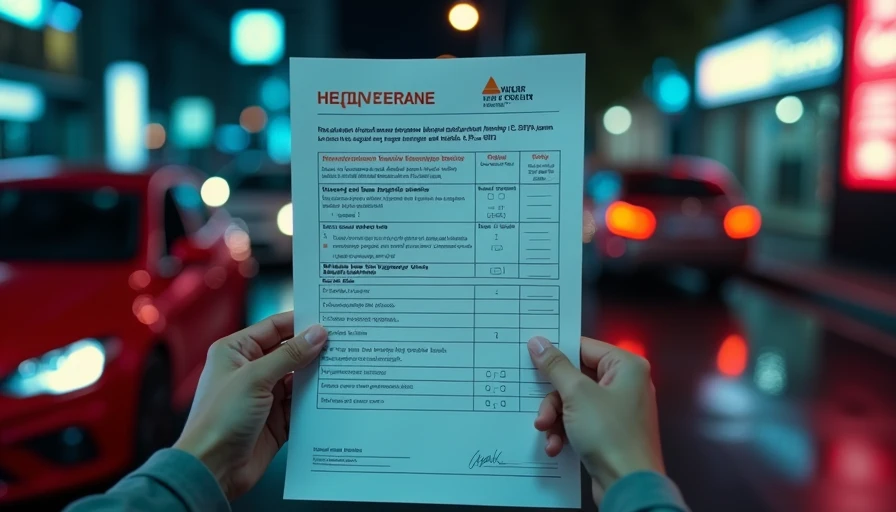
A failed engine can put a tractor out of service for days and turn a $35 oil sample into a $15,000 repair decision. Understanding insurance requirements for fluid analysis helps fleet managers protect that decision, especially when an outside laboratory, mobile technician, or maintenance contractor handles samples. The coverage question is not simply whether the lab has insurance. You need to know what it covers, where its limits apply, and whether the policy responds when a bad result causes a missed warning or unnecessary teardown.
Start with the actual risk, not a generic certificate
Fluid analysis includes engine oil, transmission fluid, hydraulic oil, coolant, diesel fuel, and, increasingly, battery coolant or thermal-management fluids in electric vehicles. The laboratory may test viscosity, wear metals, contaminants, water, oxidation, additive depletion, or coolant chemistry. Each test creates a data point that can influence whether a vehicle stays in service.
Insurance requirements for fluid analysis usually come from three places: the lab's own risk profile, your customer or contract requirements, and the consequences of an error. A laboratory that only tests sealed samples has a different exposure from a provider that draws samples under running equipment, transports hazardous materials, stores records, and gives maintenance recommendations.
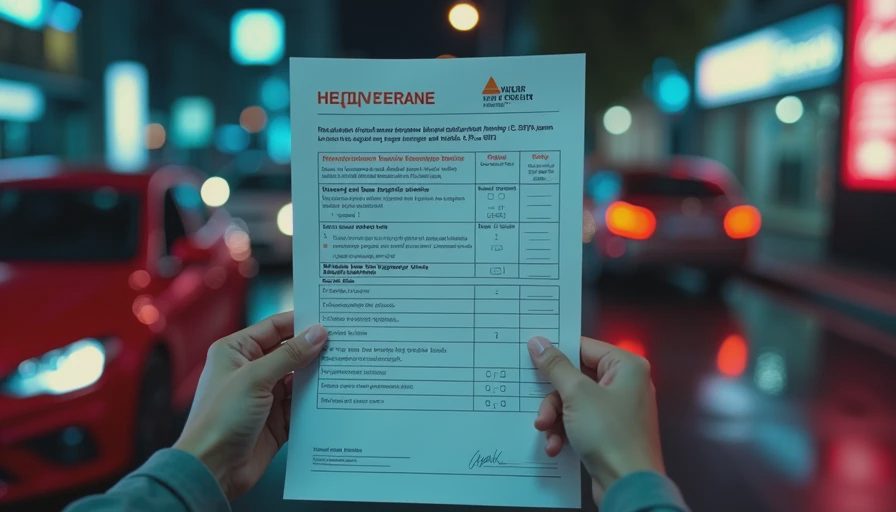
Ask for a current certificate of insurance, but do not stop there. A certificate summarizes coverage; it does not change the policy or guarantee that a particular claim is covered. Request the relevant policy limits, insurer name, policy period, and any major exclusions through the vendor's authorized representative.
The basic commercial package often includes general liability and commercial property coverage. General liability addresses third-party bodily injury or property damage, such as a technician spilling fluid at a customer site. Property coverage protects the lab's equipment and location. Neither automatically covers a wrong diagnosis or a missed abnormal wear trend.
Coverage types that matter to a fleet contract
Professional liability, also called errors and omissions coverage, is the central question when a lab interprets results or recommends action. If a report incorrectly says an engine is healthy and a bearing failure follows, the fleet may face towing, emergency repair, cargo disruption, and replacement costs. A professional liability policy is designed for claims tied to negligent professional services, subject to its terms and exclusions.
Pollution liability becomes relevant when the provider stores, transports, spills, or disposes of used oil, coolant, fuel, or contaminated materials. General liability policies frequently contain pollution exclusions or limited exceptions. Pollution coverage does not eliminate your obligations under EPA and state waste-handling rules, but it can address cleanup and third-party claims that standard liability leaves outside the policy.
Workers compensation is necessary for the provider's employees under applicable state rules. Commercial auto coverage matters if the company sends mobile sampling trucks to your yards. If a technician uses a personal vehicle, do not assume your company is protected from every auto-related claim. Require evidence that the vendor has an appropriate business auto policy.
Cyber and technology errors coverage deserves attention because modern laboratories deliver results through portals, APIs, email, and fleet-maintenance platforms. A compromised account could expose vehicle identifiers, maintenance history, operating locations, or driver-related information. The financial impact is usually smaller than a drivetrain failure, but the interruption can spread across hundreds of assets.
Setting practical limits and contract language
There is no universal federal insurance limit specifically assigned to fluid analysis. Limits should match the work, your contract value, and the maximum credible loss. Many commercial contracts request $1 million per occurrence and $2 million aggregate for general liability, but that is a contracting convention, not a guarantee that those limits fit your fleet.
For professional liability, compare the limit with the value of decisions the laboratory influences. If one report can keep a $150,000 truck running or trigger a $25,000 teardown, a small $100,000 policy limit deserves scrutiny. Ask whether defense costs reduce the available limit, whether coverage is claims-made, and how prior acts and reporting deadlines work.
Insurance requirements for fluid analysis should also identify your company as an additional insured where appropriate, particularly for premises or operational claims. Additional-insured status does not normally turn professional negligence into covered liability, so contract wording still matters. Include indemnification language, a duty to notify you of cancellation when available, and a requirement to maintain records for the agreed retention period.
Do not accept a certificate that lists only general liability when the vendor is interpreting data. Ask directly: “Which policy responds to an allegation that your analysis or recommendation was negligent?” Put the answer in the vendor file and have procurement or counsel review unusual exclusions.
Chain of custody is an insurance control
A strong insurance file cannot fix a weak sample process. Label every bottle with the unit number, component, mileage or engine hours, fluid type, collection date, and sampler initials. Record whether the engine was warm, whether the sample came from a drain stream or vacuum pump, and whether the container was clean and sealed.
Maintain a chain-of-custody record from collection through shipment and laboratory receipt. The form should show transfer dates, tracking information, condition of the package, and any temperature or leakage issue. A disputed result becomes much harder to defend when nobody can prove which sample the laboratory tested.
Use a written escalation matrix. For example, an abnormal iron reading might trigger a repeat sample, while coolant in engine oil could require immediate inspection. The lab's report should distinguish measured facts from maintenance recommendations. Your maintenance team should document the final action, parts replaced, labor hours, and whether the follow-up sample confirmed the diagnosis.

Fleet Impact: what the coverage can pay back
Consider a 200-truck fleet paying $35 to $75 per sample, depending on the panel and service model. Testing 1,200 samples annually costs roughly $42,000 to $90,000 before labor and shipping. That expense is easier to defend when the program prevents even two major failures or avoids unnecessary component replacement.
The insurance review protects that return. Suppose an overlooked coolant leak damages an engine, causing $18,000 in repair work, $3,000 in towing and recovery, and 80 hours of lost availability. At $450 per truck operating day, the downtime exposure can exceed the repair invoice. Coverage cannot recover every productivity loss, but clear professional-liability terms, documented reporting, and prompt notice improve the chance of a viable claim.
The same calculation applies to an incorrect severe-warning result. If a healthy transmission is removed unnecessarily, the fleet pays labor, freight, parts handling, and lost capacity. Require the laboratory to state its reporting methodology, reference ranges, turnaround time, and process for correcting a report. Those details reduce disputes before they become insurance claims.
A procurement checklist for your next renewal
Before renewing a fluid-analysis contract, collect the vendor's certificate and policy information. Confirm general liability, professional liability, workers compensation, commercial auto when mobile service is involved, pollution liability where fluids are handled, and cyber coverage for connected reporting systems.
Match each coverage to the service actually performed. Confirm limits, deductibles or self-insured retentions, claims-made status, retroactive dates, exclusions, and territorial scope. Make sure the contract states who owns the data, how long reports are retained, how quickly critical findings are communicated, and who pays for recollection or retesting after a laboratory error.
Finally, run one tabletop exercise. Use a realistic event: a lab reports normal oil, a turbocharger fails 600 miles later, and the vehicle is carrying a time-sensitive load. Identify who preserves the sample, who notifies the insurer, who contacts the customer, and who approves teardown. Insurance requirements for fluid analysis are useful only when your team can activate them under pressure.
My rule is simple: buy testing for the maintenance decision, then insure the decision pathway. What it costs, what it pays back, what it triggers with DOT—that is the review your CFO and compliance team can both use.