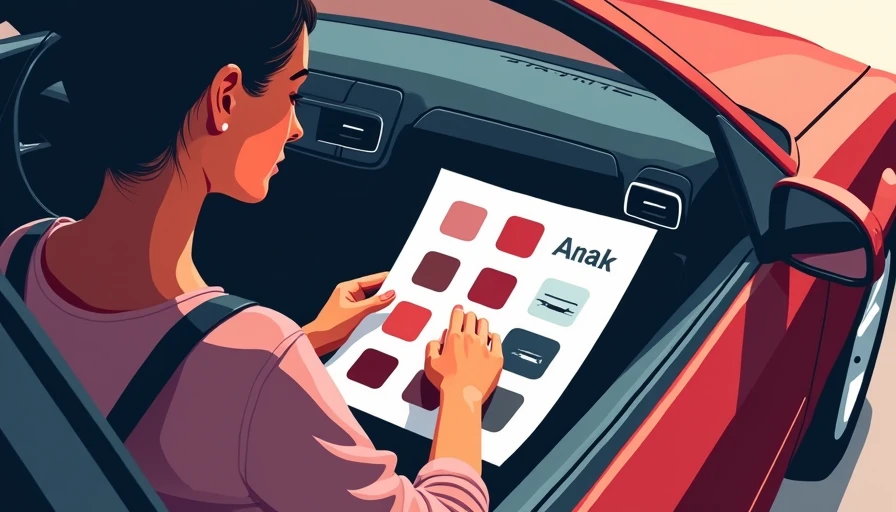
Vehicle Customization looks like a style choice until you run the math. In a fleet, every added rack, shelf, inverter, camera, or body package either reduces downtime and claims or turns into another line item your shop has to support. I care about it the same way I care about tires and oil analysis: what it costs, what it pays back, what it triggers with DOT. If a change helps a tech finish a call faster, protects cargo, or keeps a unit in service one extra year, it is worth a hard look. If it just makes the truck look busy, it is probably buying you more maintenance than value. That is the standard I use before I approve Vehicle Customization on a purchase order.
Start with the job, not the accessory
Vehicle Customization only makes sense when it solves a route, maintenance, or safety problem. A ladder rack on a service van, a capped pickup bed for tools, a bulkhead behind the seats, or a simple telematics package all change the way the unit earns revenue. If the add-on saves ten minutes at each stop, protects expensive tools from theft, or keeps a mobile tech from rolling back to the shop, it deserves a place in the spec. If it only improves curb appeal, skip it. From our fleet's data, the best changes are usually boring: shelving, backup cameras, better lighting, and cargo mats that hold up to abuse. They do not get attention at the yard, but they cut claims, speed loading, and reduce the number of service calls dispatch has to handle. That is why I treat Vehicle Customization as an operations decision first and a truck order second.
A good rule is to ask whether the modification changes driver behavior or shop time. A cordless-tool charging cabinet in a van may save a roadside return trip. A lockable drawer set may prevent a two-thousand-dollar tool loss. A camera kit may shave minutes off claim review after a backing incident. Those are real dollars, not theory.
Count the cost in downtime, not just parts
The invoice for Vehicle Customization is only part of the bill. The bigger number is lost use while the unit sits in an upfit bay, waits on parts, or gets pulled back for a wiring fix. I have seen modest shelving jobs land around $800 to $1,800 per van, while a full utility body, ladder system, and power package can climb into the $6,000 to $12,000 range before labor. Add shop time at $90 to $140 an hour, and the install window starts to matter almost as much as the part itself.
Fleet Impact: if a $2,500 upfit prevents one roadside service call, one rental van day, and one hour of overtime in the first year, it can pay back faster than a low-cost option that causes repeat handling.
The cleanest way to justify the spend is simple. Estimate the install cost, the expected service-life in months, and the operating savings per month. If a power inverter keeps a field tech from running the engine to charge equipment, that can reduce fuel burn and idle wear. If a better storage layout cuts ten minutes from eight stops a day, that is real labor capacity. Vehicle Customization should be measured in utilization, not showroom logic.

Know the compliance edges before you buy
The compliance question is where a lot of well-meaning specs go sideways. Vehicle Customization can trigger DOT attention if it affects lighting, mirrors, cargo securement, tire load range, visibility, or the vehicle's weight distribution. If you add a service body, check axle weights and gross vehicle weight rating before the order goes in. If you install a rack or topper, make sure it does not block brake lights or turn signals. If you add wiring for strobes, cameras, or inverters, use fused circuits and a build process your maintenance team can support later.
This matters even more on medium-duty trucks and chassis cabs. A heavy upfit can push a unit close to its payload limits faster than the spreadsheet shows. That turns into tire wear, brake wear, and a driver who is always out of room for cargo. The same logic applies to leased units. Reversible changes are safer when the truck has to come back clean. Vehicle Customization is fine as long as the build sheet, weight ticket, and electrical diagram live with the vehicle record. That is how you keep a roadside stop from becoming a repair order and a call from your compliance team.
Set a fleet standard so maintenance stays simple
The fastest way to make Vehicle Customization expensive is to let every location choose its own version. One branch wants drawers, another wants open shelving, and a third wants three different camera systems. Then your parts room stocks too many brackets, your techs learn too many layouts, and every transfer creates a rework job. I prefer two or three approved packages tied to use case: light service, heavy service, and supervisor or support unit. That keeps training simple and makes replacement units easy to spec.
Standardization also helps resale. Buyers pay more for equipment that looks intentional and has not been hacked together with extra holes, loose wiring, or mismatched hardware. A clean build with familiar components is easier to inspect, easier to recondition, and easier to move through auction or direct sale. Vehicle Customization should lower total cost of ownership, not create a future shop problem. If a body package adds $4,000 up front but saves thirty minutes of labor per week across a whole class of units, the math starts to work fast.
For EVs, the standard matters even more. You want upfitters who understand high-voltage clearances, approved mounting points, and the limits of the auxiliary electrical system. Bad packaging on an electric van can wipe out uptime gains before the pilot proves itself.
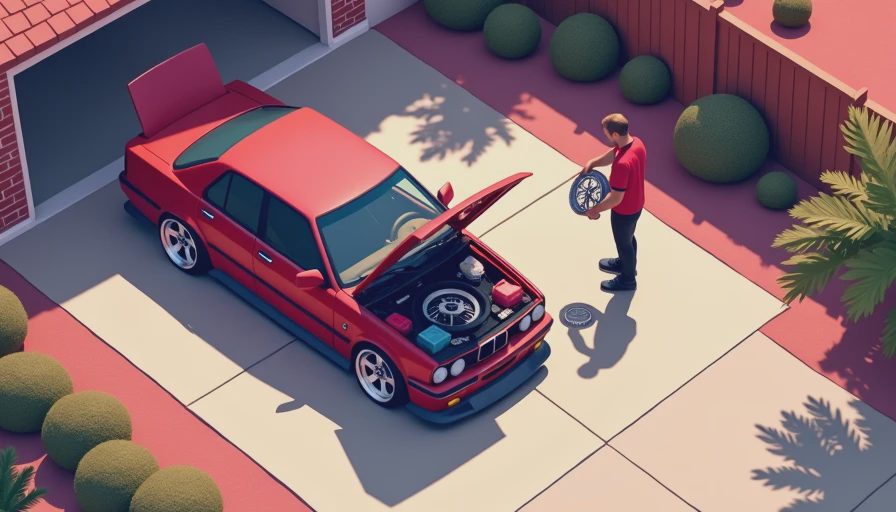
A rollout checklist that protects resale
The cleanest rollout starts before the purchase order is signed. First, write down the job the unit has to do and the savings you expect. Second, lock the upfit package so every vehicle in the class gets the same layout. Third, capture the install date, vendor, and weight changes in the asset record. Fourth, store the original parts if you think the truck will cycle out early or come off lease. Fifth, take photos before and after so you can show a buyer or auditor exactly what changed.
Vehicle Customization should leave the truck easier to use today and easier to sell later. If you are adding value, make it removable where possible and durable where it has to stay. That means no mystery wiring, no loose fasteners, and no accessories that fail the first time a driver loads a wet tool bag. When I review a spec package, I want to know how it will look at 18 months, not just day one.
If you are planning a small pilot, start with ten units and compare downtime, repair history, and driver feedback against a stock baseline. If the numbers are better, expand. If not, tighten the spec and move on. That is the fleet way to do it.