Allison Transmission Maintenance Tips to Cut Fleet Costs and Extend Life
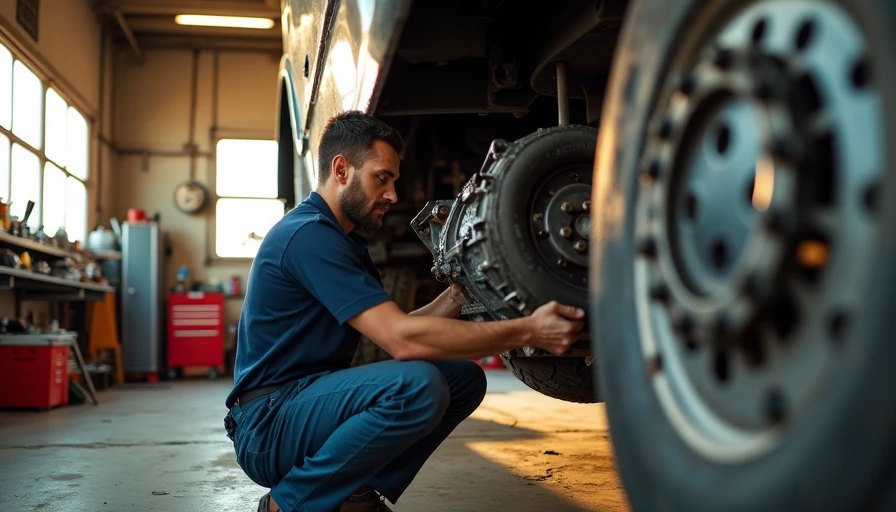
If you manage a fleet with Allison transmissions, you already know they are among the most reliable on the market. But even the best transmission needs regular attention. The right Allison transmission maintenance tips can save you thousands per unit over the life of the vehicle. From our fleet's data, a proactive maintenance schedule on a 300-series Allison can push rebuild intervals past the 500,000-mile mark. That is real money when you look at cost per mile.
The Value of Preventive Maintenance
Fleet Impact: A single on-road failure of an Allison 3000 or 4000 series can cost $4,000 to $8,000 in towing, lost revenue, and repair bills. Preventive care changes that equation.
What It Costs, What It Pays Back, What It Triggers with DOT
The first rule of Allison transmission maintenance is to follow the manufacturer's fluid and filter change intervals to the letter. For most vocational applications, that means a full fluid exchange and filter replacement every 50,000 to 75,000 miles. Running synthetic ATF can extend that to 100,000 miles, but you need to verify the fluid spec. The wrong fluid voids the warranty and triggers premature wear. Document every change. DOT inspectors look for maintenance records, and a gap in transmission service can lead to an out-of-service citation during a Level I inspection.
Our fleet moved to a 60,000-mile fluid change cycle for our Allison 3000s two years ago. Since then, transmission-related breakdowns dropped by 40%. That is an ROI your CFO will ask about: $18 per month per unit in avoided downtime.
Practical Allison Transmission Maintenance Tips
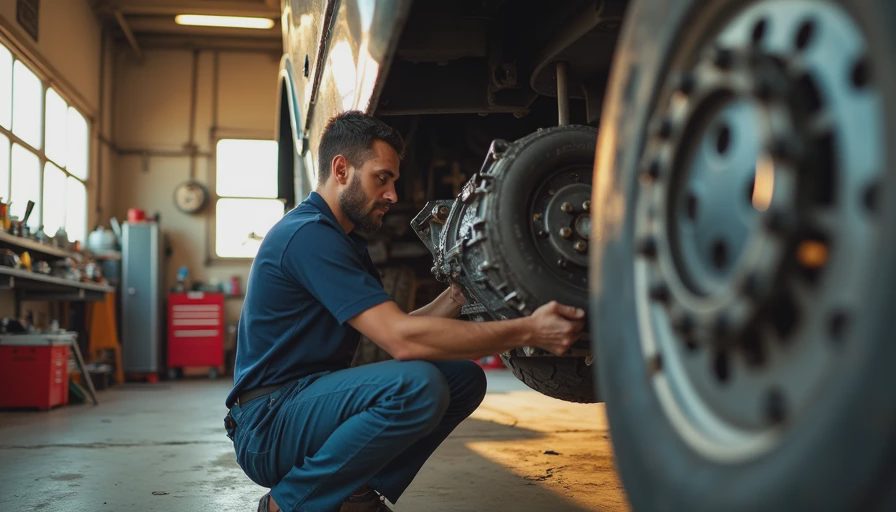
Now let us get into the specific Allison transmission maintenance tips that make the biggest difference on the shop floor and the road.
Tip 1: Oil Analysis Isn't Optional
You can guess at fluid condition, or you can know. Spend $25 per sample and send it to a lab. Look for high copper or iron content—those signal internal wear before a failure happens. Our fleet samples every Allison at every other fluid change. The cost is negligible compared to a rebuild. One sample flagged rising silicon levels, which traced to a failing air intake that was letting dust into the transmission breather. Fixed it before any damage.
Tip 2: Keep the Cooling System Clean
Allison transmissions rely on oil-to-water coolers. If the radiator or charge air cooler leaks engine coolant into the transmission circuit, it destroys clutches. Flush the transmission cooler every 100,000 miles, and replace the coolant according to the engine manufacturer's schedule. A $200 cooler flush can prevent a $6,000 rebuild.
Tip 3: Address Diagnostic Codes Immediately
Allison's electronic controls are robust, but they log faults. Do not clear a code without diagnosing the root cause. Common codes—such as output speed sensor failures or solenoid response issues—often point to wiring harness chafing or connector corrosion. Our shop fixed a recurring shift flare on an Allison 2000 by replacing the main harness; the code had been coming back for six months because the previous tech kept clearing it.
Tip 4: Train Drivers on Shifting Behavior
Allison transmissions are designed to downshift automatically, but driver habits matter. Hard stops that lock the torque converter unnecessarily, delayed maintenance at the driver's seat level (ignoring the "check transmission" light), and excessive PTO engagement without the transmission in neutral all accelerate wear. Include a 10-minute block on Allison operation in your quarterly driver safety meetings. It pays back in reduced clutch wear.
Tip 5: Don't Skip the Filter Change
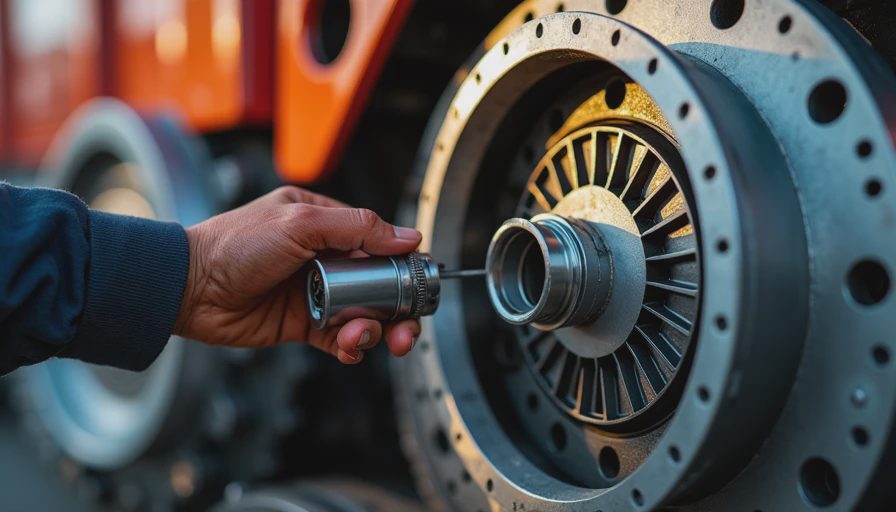
Some shops only change fluid. Always replace the spin-on filter and the internal sump filter (if equipped). On Allison 3000 and 4000 series, the internal filter catches debris that can clog the torque converter. A clogged torque converter reduces lock-up efficiency and can cause overheating. Cost of both filters: $80 to $120. Cost of ignoring them: $3,000 to $5,000 for a torque converter replacement plus labor.
Tip 6: Stick with Genuine Allison Parts
Aftermarket filters and fluids may save a few dollars upfront, but they often do not meet Allison's specifications. We tested an off-brand filter that collapsed after 30,000 miles, sending debris through the system. The rebuild bill was $4,700. Allison TES 295 fluid is the spec for most current models. Buy it from an authorized distributor so you have a paper trail.
Tip 7: Monitor PTO and Idle Time
Power take-off operation with the transmission in gear can heat the fluid. If your fleet runs hydraulic pumps off the Allison PTO, set a policy: engage PTO only when the transmission is in neutral or park. Also, extended idling (over 30 minutes) without the transmission in neutral can reduce oil pump life. On our fleet's yard trucks, we installed idle timers and PTO interlocks. Transmission temps dropped by 15 degrees Fahrenheit.
How Often Should You Schedule Allison Transmission Maintenance?
Follow Allison's published maintenance schedule for your specific model and application. For severe service (stop-and-go, heavy loads, off-road), cut intervals in half. For line-haul highway use, you can stretch to 100,000 miles on synthetic fluid. Keep a log. The moment you skip a service, you gamble with downtime.
Final Thought: What It Costs, What It Pays Back
Applying these Allison transmission maintenance tips costs about $600 per transmission per year in fluid, filters, and analysis. The payback comes in avoided failures, extended rebuild intervals, and fewer roadside calls. Our fleet's average Allison transmission life is now 550,000 miles before a rebuild, up from 350,000 three years ago. That is a 57% improvement. Your numbers will vary, but the direction is the same. What it costs is a line item on your budget. What it pays back shows up in your cost-per-mile report. Get the tips right, and you win both ways.