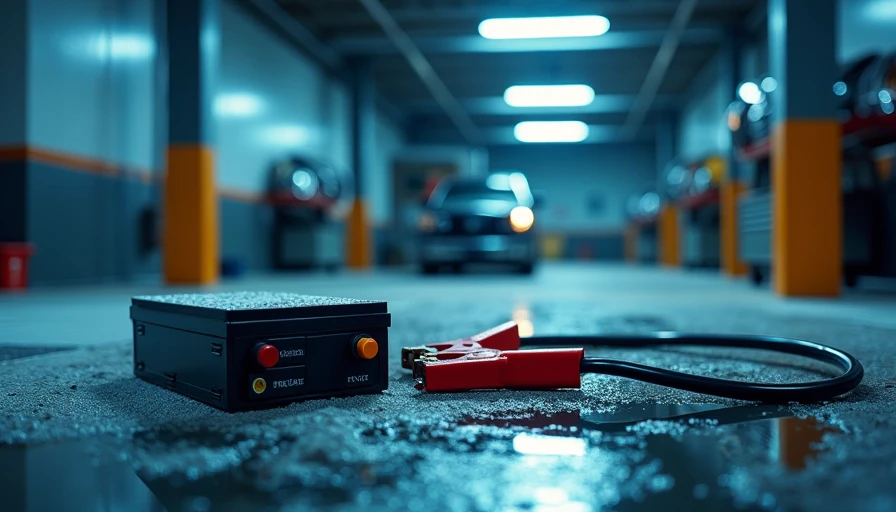
Cold weather battery maintenance for trucks is the difference between an on-time fleet and a terminal full of dead iron. When the temperature drops below freezing, battery capacity can fall by a third, and a cold diesel engine needs more cranking amps. From our fleet's data, one dead battery in December costs about $300 in roadside service, driver hours, and missed dock appointments.
Why Cold Weather Kills Batteries (and What It Costs)
Lead-acid chemistry slows down in the cold. At 0°F, a fully charged battery delivers only about 60 percent of its rated cranking amps, while cold, thick oil makes the starter work harder. That is why cold weather battery maintenance for trucks belongs in your pre-winter program, not in a reactive scramble after the first freeze.
The cost per mile is brutal. A truck down for two hours at $75 an hour in driver wages plus a $200 service call adds up to $350 before you count cargo delay. If it dies on the road, towing and labor can push that past $600. Fleet Impact: every weather-related dead battery costs $300 to $600, and a 100-truck fleet can see a dozen of those in a bad winter.
The Winter Battery Inspection Checklist
A solid cold-weather check starts at the terminals. Corrosion or loose cable clamps cause voltage drop, which gives you a slow crank. Remove the cables, clean the posts, and reinstall to torque. Then inspect the case for cracks or bulging; a swollen case usually means a frozen or overcharged battery. Check state of charge with a digital voltmeter: 12.6 volts is full, 12.4 is about 75 percent, and 12.2 is only half. That last one is a liability, not a winter battery.
Next, check alternator output at the battery terminals with the engine running. Fleet-grade alternators should produce 14.0 to 14.8 volts. Less than 13.8 means the battery is never fully recharged. Finally, load test the battery at or near freezing. A battery that tests below 75 percent of its rated cold cranking amps at 32°F should be replaced before it strands a driver. Put this list into your November preventive maintenance schedule.
Testing, Charging, and Load Testing: The Numbers
Use a digital load tester set to the battery's CCA rating. Conductance testers work well and are fast; if one reads "replace" or "charge and retest," trust it. Charging a cold battery takes longer and needs more voltage. A flat battery at 30°F may take twice as long to charge as one at 80°F. Use a temperature-compensated charger and charge slowly. Never charge or jump-start a battery with frozen electrolyte; thaw it in a heated area first. It can crack the case or explode.
Jump-Start vs. Jump-Box: What the Fleet Impact Really Is
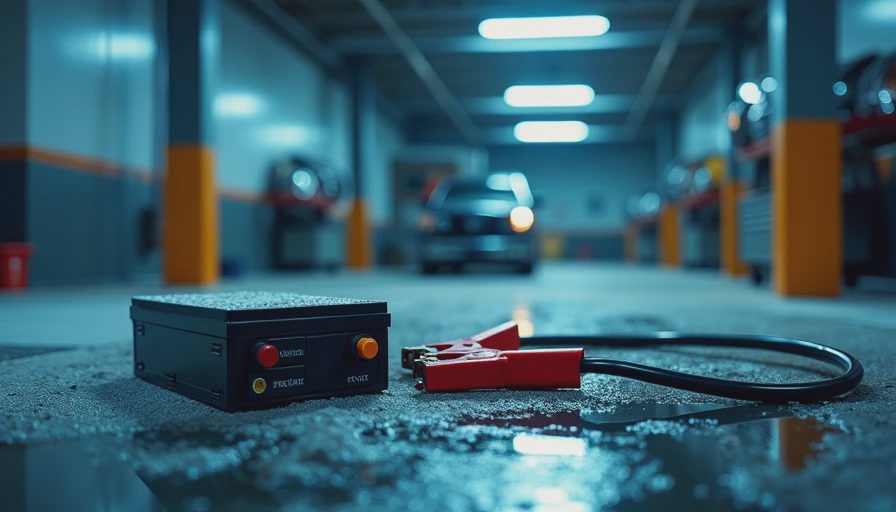
Every operations manager knows the 5 a.m. call: the truck won't turn over. You can send a service truck and pay $250 to $400, or you can keep a heavy-duty jump pack in the cab and have the driver self-rescue. Fleet Impact: a $150 to $250 jump pack rated for diesel cranking amps pays for itself in one call. It is not a replacement for a new battery, but it gets the truck back in the lane. Don't buy consumer-style boosters; get a unit with enough cranking ability for your largest engine that holds a charge for at least 30 days. Log every jump-start in your maintenance system, and if the same truck needs two in a month, replace that battery.

Battery Heating and Thermal Management Options
For fleets that face subzero mornings, thermal management is worth real money. A battery heater pad costs $50 to $120 and keeps the battery above 32°F, reducing cranking current draw. An insulated battery box or thermal wrap does the same job with no electricity for $30 to $90 per truck. Remember, a block heater warms coolant, not the battery. If you run where it hits minus 20°F, use both. The combo shortens cranking time, saves fuel, and reduces alternator load. Our fleet's data shows the payback on heating pads is one winter season or less.
Build a Winter Battery Program That Survives January
Tracking is the final piece. Log open-circuit voltage, load test results, and replacement dates in maintenance software. In our operation, any battery that is three years old and shows a weak test gets scheduled for replacement that week. Batteries rarely die without warning; they degrade for months. A driver complaint about slow cranking is a warning, not a story. Add a question to your pre-trip inspection app about whether the gauge drops low while cranking, and route the truck to the shop that day.
A proactive replacement runs $180 to $350 per battery depending on group and type. That is cheaper than a $350 to $600 road call, especially when you add missed deliveries and customer goodwill. Cold weather battery maintenance for trucks is a small line item that pays back fast. The fleet that tests in November will spend less per mile than the one that waits for the first cold snap. The bottom line: test, charge, heat, and replace on data. That keeps the doors open and the drivers moving.