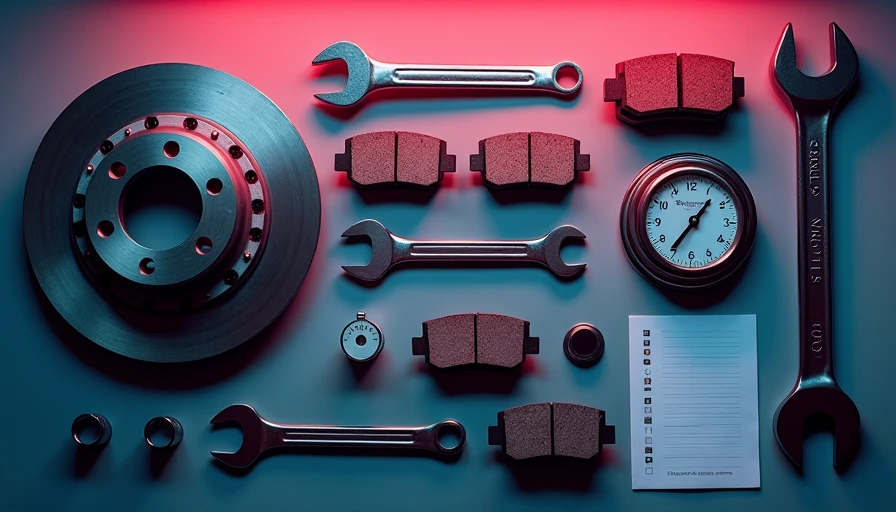
Here's the short version: the drums vs air disc brake maintenance decision comes down to labor hours, unscheduled downtime, and how ready you are for a DOT brake inspection. I've managed both systems across a 400-vehicle mixed fleet for over a decade. This is not about which one sounds more advanced. It's about what each design does to your cost per mile, your shop schedule, and your roadside inspection record.
Fleet Impact: on 100 tractors running 120,000 miles a year, the difference between a good and bad brake spec can be tens of thousands of dollars in annual maintenance and citation risk.
Drums vs Air Disc Brake Maintenance: What Drives the Bill
Drum brakes use shoes that press against the inside of a drum. Air disc brakes use pads squeezing a rotor, with air chambers doing the work. That difference changes your inspection routine, your labor hours, and your parts budget.
Drum brakes are forgiving. You can machine a drum if it stays within spec, and a reline kit is cheap. But the labor is heavy: pull the drum, check the s-cams and rollers, measure the surface, and reassemble. A typical drum axle service in our shop runs two to three hours. Air disc brakes flip the math. Rotors are expensive and not turnable, but a pad change takes under ninety minutes with the right tools.
Fleet Impact: plan on about 2.7 labor hours per drum axle and 1.5 hours per ADB axle. At $110 per shop hour, that is a $132 difference per axle before parts.
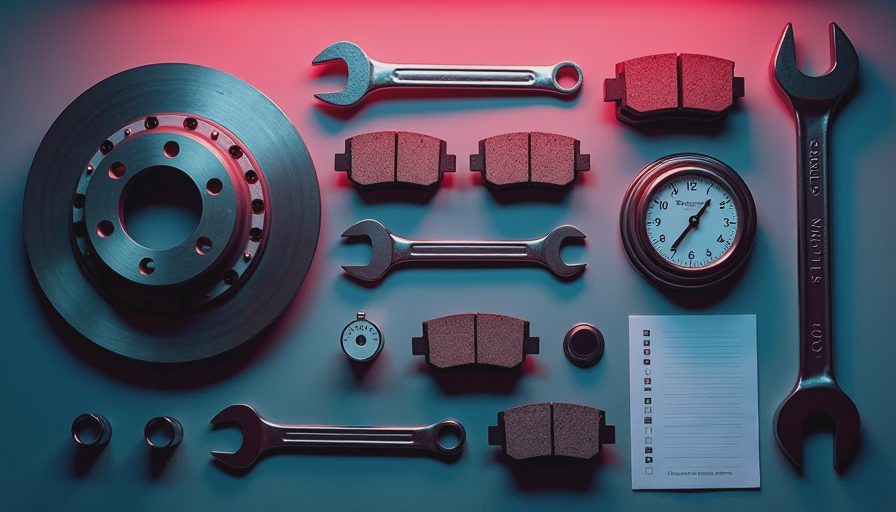
Parts pricing narrows the gap. A full drum brake kit costs roughly $140 to $200 per axle in medium-duty sizes. ADB pad sets run $90 to $130, and rotors run $180 to $260 each. In linehaul service you may get two or three pad changes per rotor, which lowers the long-term cost.
DOT Inspection: Where the Risk Shows Up
The drums vs air disc brake maintenance story also shows up in the mirror when the red light is on. DOT inspectors look for cracks, air leaks, pad thickness, and stroke. Drum brakes tend to lose adjustment over time, so your PM schedule has to include slack adjuster checks and stroke measurements. Air disc brakes have the adjuster built into the caliper, which removes one of the most common out-of-service violations.
That does not make ADB perfect. Rotors can crack in severe service, and pad wear can go unnoticed if you don't do a physical check. But the check is fast, which means your techs are more likely to actually do it on every pull-up.
Fleet Impact: a brake adjustment violation on a drum fleet costs at least a day of downtime plus the citation. In our data, that type of violation is rare on ADB-equipped tractors.
The Cost-Per-Mile Numbers From Our Fleet
From our fleet's data, we ran a side-by-side comparison on 14 tractors we converted from drum to air disc over two years. The drum group averaged 3.8 cents per mile in brake maintenance; the ADB group came in at 2.6 cents per mile. Most of that gap came from labor and fewer roadside repairs. The drum tractors averaged one unscheduled brake service every 38,000 miles, while the ADB tractors went 52,000 miles between issues.
The catch was parts. We replaced four ADB rotors over the same period, at around $240 each, while the drum fleet spent more on hardware but less per incident. Even with that, the total cost of ownership favored ADB on our metro delivery routes. The payback period was about 18 months for those units.
Fleet Impact: over 400,000 miles per group, the ADB group saved roughly $4,800 in brake maintenance and avoided three potential out-of-service inspections.
So What Should You Spec Next?
The drums vs air disc brake maintenance decision is a data fight, not a brand fight. If you run long-haul linehaul with low brake energy, drum brakes will likely keep your cost per mile lower. The parts are cheap, your techs are trained, and DOT risk stays manageable if you stay on the adjustment schedule.
If you run food, beverage, or parcel routes with frequent stops, air disc brakes earn their premium. The reduced downtime and faster pad changes can pay back the upcharge within the first brake cycle. Run your own numbers before you spec 500 units, but this is not a technology to ignore.
Switching is not just a spec change. Budget for technician training and stock the right pad sets and rotors. A brake job waiting on a part does not help your uptime.
Fleet Impact: an ADB pad set costs about the same as a drum shoe set, but the rotor costs about double a drum. Make sure your parts room has the space and your techs have the tools.
The Bottom Line
What it costs, what it pays back, what it triggers with DOT. That is how you evaluate drums vs air disc brake maintenance for your own fleet. Start with your actual brake repair costs, your average stop frequency, and your last two inspection years. If the data shows your drum fleet is spending more time in the shop than on the road, the switch will pay you back. If your inspection record is clean and your costs are stable, drums may still be the right call.
Fleet Impact: take your brake-related cost per mile for each vehicle class, compare it to an ADB conversion quote, and let the numbers decide.