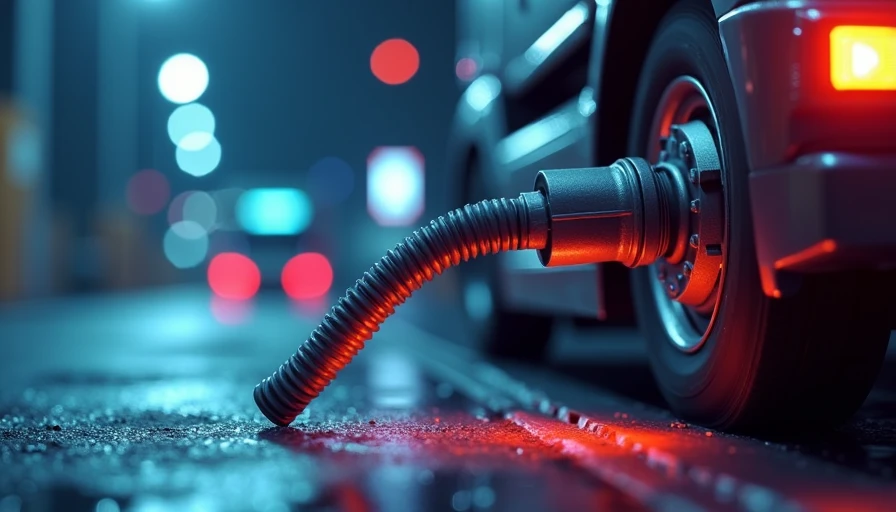
Three numbers your CFO will ask about — here they are first. A clogged diesel particulate filter (DPF) on a semi truck can cost $400 to $1,200 for a forced regen at a shop, plus $2,000 to $5,000 for a replacement if cleaning doesn't work. And every hour a truck sits idle is about $100 in lost revenue. Learning how to clean DPF on semi truck yourself can slash those costs by 60% or more. Here's the straight talk from a fleet that's logged 20 million miles.
Why DPF Cleaning Matters for Your Bottom Line
DPF regeneration is normal — passive regen happens during highway driving, and active regen kicks in when exhaust temps rise. But if your routes are heavy on stop-and-go or short hauls, the filter loads up with ash faster. Once the differential pressure exceeds 3.5 inches of mercury, the ECM derates power. You lose speed, lose time, and risk a DOT violation for excessive smoke. Fleet Impact: A single derate event can cost $300 to $600 in missed delivery windows and extra labor. Knowing how to clean DPF on semi truck between services extends filter life 2-3x and keeps your units on the road.
Step 1: Run an Active Forced Regen Before Anything Else
Before you pull the filter, try a stationary forced regen. This raises exhaust temperatures to 1,100°F to burn off soot. Every make has a slightly different procedure. On a Cummins ISX, you hold the regen switch for 4 seconds until the dash light starts flashing. On a Detroit DD15, you initiate it through the diagnostic menu. Make sure the truck is parked in a safe area with no combustible materials nearby. Let the cycle run completely — it takes 30 to 45 minutes. If the regen completes and the soot load drops below 20%, you're good to go. If it fails (common after three failed attempts), you need to clean the filter.
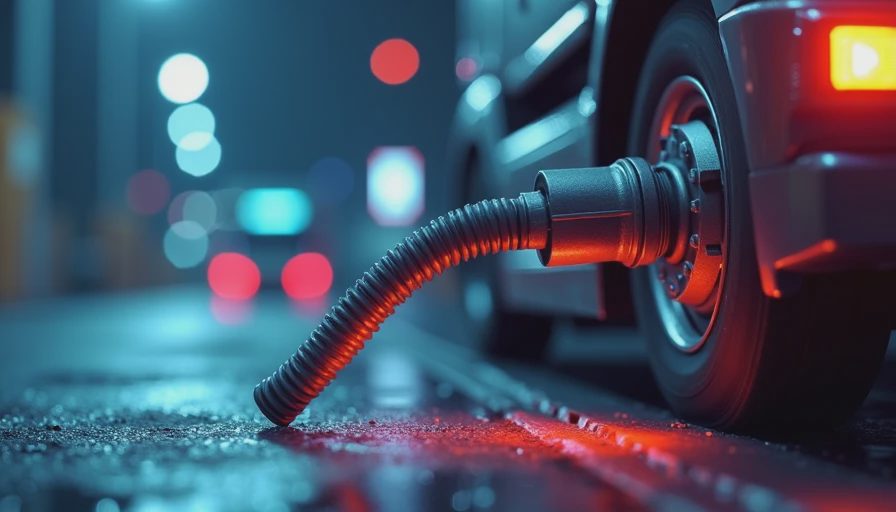
Step 2: Remove and Inspect the DPF Assembly
Park the truck on level ground, chock wheels, and let the exhaust cool to below 100°F. You'll need a ratchet set, torque wrench, and penetrating fluid for stubborn bolts. The DPF is typically under the cab on a semi truck, between the turbo and the aftertreatment system. Unbolt the clamps and oxygen sensors carefully. Lift the filter out — it weighs about 50-80 pounds. Look for cracks in the canning or face damage. If the substrate is melted or cracked, replace the DPF. Otherwise, proceed to cleaning. Fleet Impact: A new DPF runs $2,000 to $5,000; a professional cleaning costs $300 to $800. Doing it in-house with a cleaning machine can drop that to $50 in materials.
Step 3: Choose Your Cleaning Method
There are three ways to clean a DPF on a semi truck: shop air and a vacuum, a dedicated DPF cleaning machine, or professional thermal cleaning.
Shop air and vacuum — Blow compressed air (90 psi max) into the outlet face to dislodge ash. Use a HEPA vacuum at the inlet to capture dust. This is a quick fix but only removes surface soot. It's not a substitute for a thorough clean and won't pass a differential pressure test below 2 inches.
Dedicated DPF cleaning machine — These units use pulsed air or reverse air flow to blast ash from the substrate. Prices range from $3,000 to $12,000. If you have 20+ trucks, the ROI works out to under 12 months. Machines like the FSX DPF Cleaner or the DFT 4.0 are common in mid-size fleets.
Professional thermal cleaning — A shop bakes the filter at 1,200°F in a furnace to turn ash into fine powder, then vacuums it out. Costs $300-$800 per filter. Best for heavy ash buildup. Turnaround time is typically 24-48 hours.

Step 4: Reinstall and Reset the ECM
Once the filter is dry and clean, inspect the gaskets and replace them if they're brittle. Torque the clamps to the manufacturer spec (usually 30-50 ft-lbs). Reconnect the sensors and start the engine. You must reset the soot load and ash load parameters using a diagnostic tool. On Cummins INSITE, go to the Aftertreatment menu and select "Reset Ash Load." On Detroit Diagnostic Link, it's under DPF Ash Service. Without a reset, the ECM will still think the filter is full and keep the derate active. Then take the truck for a 20-minute highway drive to verify proper regen.
Fleet Manager's Checklist for DPF Cleaning Success
- Track soot load warnings daily. Any truck showing active regen more than once a shift needs attention.
- Record differential pressure at each PM. A baseline is 0.5-1.0 inches at idle; anything over 2.5 inches at idle requires cleaning.
- Use ash load readings to schedule cleaning intervals. For most semi trucks, ash cleaning is needed every 200,000-300,000 miles.
- Train drivers on the regen indicator. A driver who ignores the regen light can turn a $300 cleaning into a $4,000 replacement.
- Keep one spare DPF on hand per 10 trucks. Swap filters during a forced regen cycle to reduce downtime.
When to Replace Instead of Clean
Replace the DPF if you find: face cracking wider than 1 inch, melted substrate from an uncontrolled regen, or structural damage to the can. Also replace if the filter has been cleaned more than 3 times or if ash load exceeds 12g/L after cleaning. A replacement is a capital expense; budget $3,500 per filter on average. But proper maintenance of how to clean DPF on semi truck can push replacement intervals to 500,000 miles.
Final Thought: Make Cleaning a Scheduled PM Item
From our fleet's data, adding DPF cleaning to every 3rd PM interval reduced unscheduled downtime by 40% and extended filter life by 60,000 miles. It's a $50 to $300 task that saves $2,000 or more. What it costs, what it pays back, what it triggers with DOT — nothing. A clean DPF means no smoke, no codes, no inspections. Know how to clean DPF on semi truck, and you keep your fleet earning.