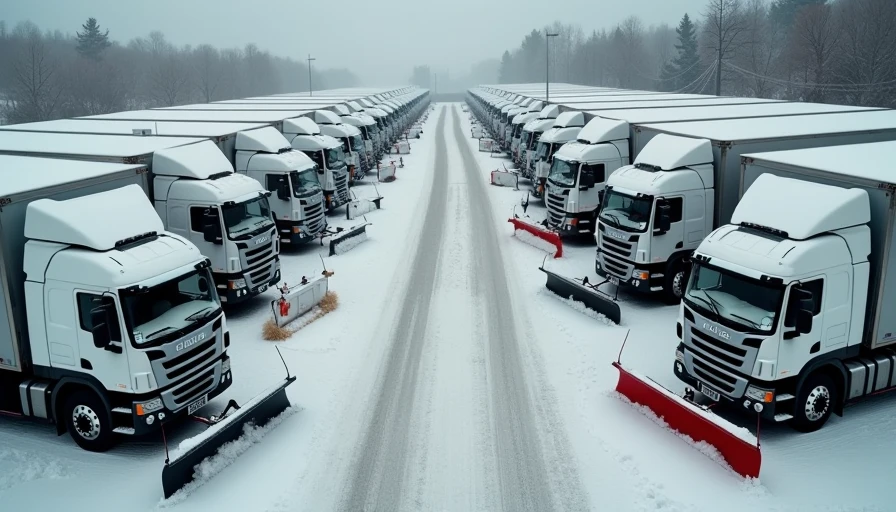
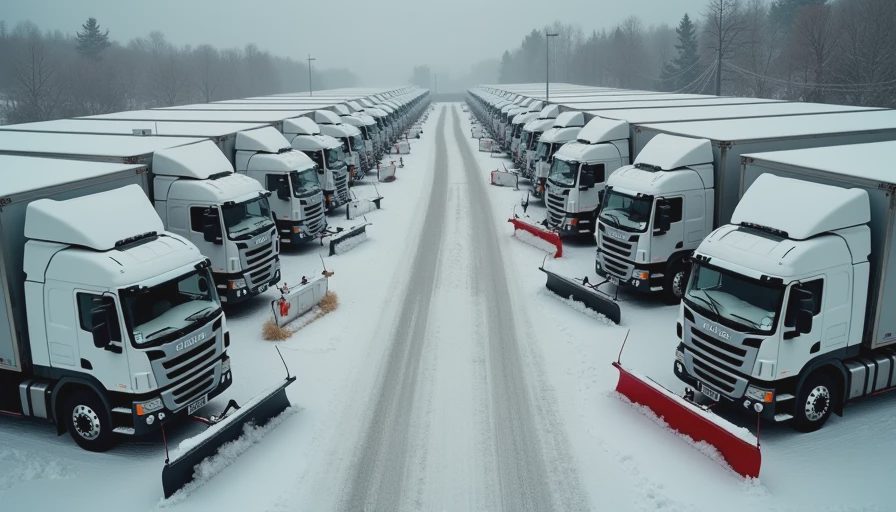
Winterizing a heavy duty truck fleet is one of those jobs that never makes the budget request until the first hard freeze. Then it converts into tow bills, missed appointments, and a DOT violation that follows you all winter. From our fleet's data, a single cold-start failure costs about $1,100 in lost revenue, labor, and parts — before you pay the tow truck. A terminal tractor that will not turn over in a Dallas ice storm takes a whole dock down with it. So here is the checklist we run every October, with the numbers your CFO will ask about.
Why Winterizing a Heavy Duty Truck Fleet Pays Back Faster Than You Think
Every year, I watch operators make the same bet: "It is 70 degrees today; we will get through November before we prep." Then a front rolls through, someone's battery cranks slow at 5 a.m., and the load sits. Compare that to a maintenance plan where every unit gets a cold-start test before Halloween. The math is simple. A jump-start and road call runs $350 to $600. Missed dispatch runs $900 to $1,800 in lost revenue, depending on the lane. One avoided breakdown pays for the whole program.
DOT inspectors pay attention to winter maintenance because brake, tire, and fuel-system violations account for a disproportionate share of out-of-service orders. Winterizing a heavy duty truck fleet is not a shutdown cost; it is a preventive campaign with a provable payback. Fleet Impact: one avoided cold-start road call covers the cost of batteries, coolant heaters, and the full additive program for 50 trucks. In a mixed fleet, assign work by vehicle age and mileage first. Units over 600,000 miles tend to produce most of the cold-weather failures, so treat those trucks as critical assets.
Batteries and Cranking Amps: The #1 Cold-Start Failure
When the thermometer drops, a battery loses about 20 percent of its cranking power at 32 degrees Fahrenheit and about 35 percent at zero. That is why the highest-value task is a battery load test on every truck. Skip the voltage reading alone; catch a marginal cell before it leaves a driver stranded at a truck stop. Clean corrosion off the terminals, check the hold-downs, and test the alternator output at the same time. Most parts houses do this free if you do not have a load tester in the shop.
For tractors that sit overnight in cold yards, a block heater is the most reliable insurance we have found. A coolant heater installation runs about $150 in parts and an hour of labor. It pays back the first morning a dispatcher does not have to wake a driver at 4 a.m. to go jump-start a truck. Battery box heaters and oil pan heaters are worth adding on Class 8 units that run dedicated routes where managers cannot watch the weather all night.
Fuel System and Gelling: Additives, #1 Diesel, and Water Separators
Diesel starts to cloud well before it actually gels. Cloud point for many #2 diesel blends sits around 14 degrees Fahrenheit, and pour point is colder, but paraffin wax formation clogs fuel filters and plugs take your truck down. A winterized blend with #1 diesel or a proven anti-gel additive is non-negotiable on any truck that crosses the northern tier. We use a commercial additive at a cost of roughly a penny per gallon, and it protects down to about minus 10 degrees when combined with a good fuel supplier.
Drain the water separator on every PM interval; trapped water freezes and can crack the housing. Change the fuel filters before weather turns, because a clogged filter at 20 below looks like a fuel pump failure. Keep tanks as full as practical. A tank that sits half-empty collects condensation overnight, and that moisture turns into ice and algae later.
Air Dryer, Tires, and Under-Carriage
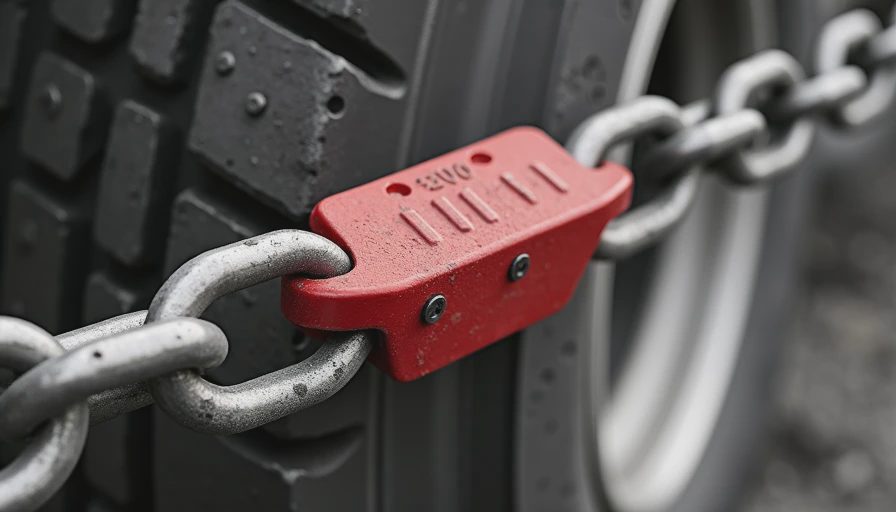
Air dryer cartridges wear out slowly, and a saturated dryer lets moisture pass into brake lines, where it freezes inside valves and slack adjusters. Replace the cartridge every 12 to 18 months, or earlier if the truck runs with high humidity. Drain the air tanks at the end of each day; a one-time purge of a few droplets can save you from a full brake system teardown. Tires also lose pressure as temperatures fall. A tire inflated at 90 psi on a warm day can read 10 psi lower at 20 degrees, which increases rolling resistance and fuel burn while making blowouts more likely. Check pressure weekly and add air when tires are cold.
Winter washer fluid rated to minus 30 keeps wipers from smearing ice film. Swap wiper blades, inspect the windshield, and verify the cab heater and defroster work. If a truck has an APU, service it with the same priority as the main engine, because an APU failure on a cold night turns a driver into a retention problem.
A Step-by-Step Schedule for Winterizing a Heavy Duty Truck Fleet
The mistake is treating winterization as one Saturday task. Instead, we build a three-phase schedule. Phase one is the first week of October: check batteries, coolant concentration, and tires. Phase two is the second week: fuel system service, air dryer, and washer fluid. Phase three is the final sign-off: run every truck overnight, verify cold starts, and log the results by VIN. Attach a simple checklist to each work order so a mechanic checks the same items every year.
For compliance, tie the evidence of these checks to your fleet files. If DOT ever questions a winter-related out-of-service violation, you can show a documented maintenance history. That is what it costs, what it pays back, and what it triggers with DOT. Do the work early, give your drivers equipment they can trust, and winter will not be the season that eats your cost-per-mile.