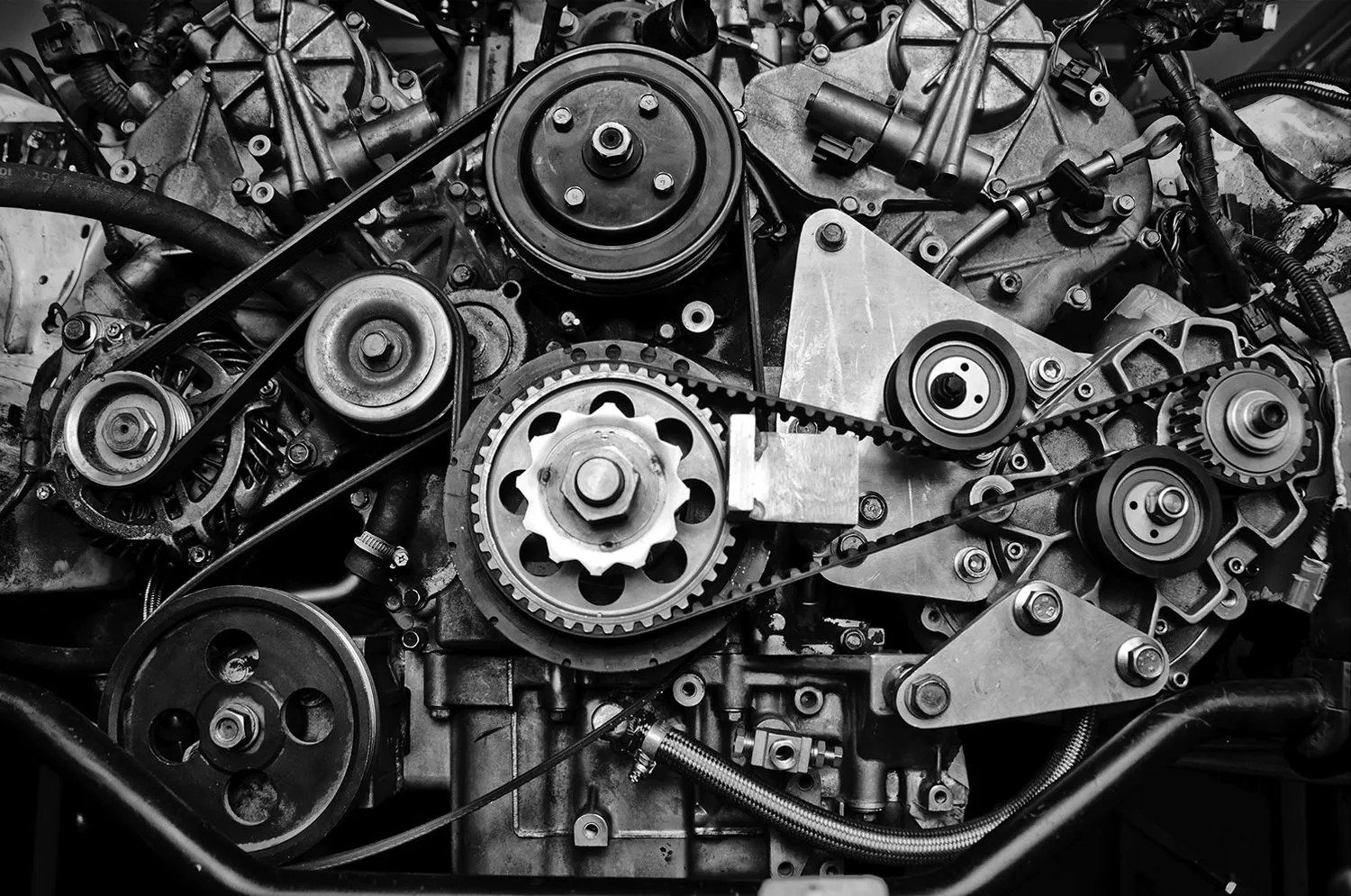
Engine technology rarely stands still — that much has always been true. Over recent years, significant yet understated changes have reshaped how commercial engines are designed and serviced, and anyone who has spent time working under the bonnet will have noticed the difference.
Modular engine design has arrived, and its impact is being felt across workshops and fleets alike — transforming the experience for mechanics, operators, and anyone determined to keep their equipment running reliably with minimal interruption.
Think of a modular engine as a sophisticated construction system for adults: standardised components — blocks, heads, injectors, turbos — engineered to be compatible across multiple engine models and sometimes entire product ranges. Rather than engineering bespoke parts for each engine variant, manufacturers create a unified set of components that slot together like interchangeable pieces.
For mechanics and fleet operators, modular engine design offers a practical answer to a persistent challenge: the twin pressures of downtime and repair expenditure.
Anyone running a fleet understands the fundamental reality — every hour a vehicle spends out of service translates directly into lost productivity and revenue. The genuine advantage of modular engine design lies in its emphasis on quicker turnaround and simplified component replacement.
The days of tracking down rare, vehicle-specific parts from distant suppliers become far less frequent. Because modular engines share components across multiple vehicles, a single part can serve several units in your fleet, shrinking lead times and streamlining parts inventory.
The benefits extend beyond speed alone — standardisation is equally valuable. More consistent systems translate to fewer mistakes, reduced labour costs, and more efficient service intervals, particularly for high-mileage vehicles operating in demanding, heavy-duty conditions.
From a technician's perspective, modular design delivers on two fronts: efficiency and professional development. Bringing new mechanics up to speed is more straightforward when the same diagnostic and repair knowledge applies across multiple engine platforms. Tasks like identifying a coolant leak, replacing an oil pump, or fitting a new valve cover are far less daunting when components and systems follow a consistent pattern.
This consistency also supports a broader shift in the industry: predictive maintenance. Modular engines are frequently engineered with sophisticated diagnostics built in, allowing experienced technicians and newer staff alike to identify problems before they escalate. When intervention is required, standardised components ensure the repair process is quicker and considerably less complicated.
Here is where things become particularly relevant — while modular architecture simplifies a great deal, it still depends on one fundamental requirement: effective lubrication.
Regardless of how advanced the engineering has become, every engine requires high-quality engine oil to minimise friction, manage extreme temperatures, and protect critical components from premature wear. Even the most sophisticated modular system cannot offset the consequences of missed oil changes or an incorrect oil grade.
This is precisely where Valvoline's Lubricant Advisor proves its worth. Whether you are overseeing a mixed fleet spanning older vehicles and new modular platforms, or working through a busy shop schedule, the tool enables fast, accurate selection of the correct oil replacement products. A single incorrect oil specification can cause buildup, sludge, and undue stress on standardised parts — a combination that accelerates engine failure and benefits no one.
Valvoline Premium Blue deserves particular attention in this context. Engineered specifically for heavy-duty diesel engines, it is formulated to withstand high pressures and demanding operating conditions, making it a well-suited choice for modular engines subjected to serious workloads.
One aspect that often goes unacknowledged: modular engine design is not only a time-saver — it also contributes to reduced waste. The ability to replace a single module rather than overhaul or discard a large portion of an engine means less material consumption and more vehicles remaining in active service.
This aligns naturally with Valvoline's dedication to performance and protection through premium lubricants. Selecting the appropriate engine oil does more than extend component life — it also helps lower emissions, enhances fuel economy, and contributes to a smaller carbon footprint across your fleet.
Modular engine design is not a concept waiting on the horizon — it is already embedded in the industry. Manufacturers are embracing this architecture precisely because it addresses the practical needs of mechanics and fleet managers in the field:
Yet no engineering solution, however well conceived, can sustain itself indefinitely without attentive maintenance. Routine oil replacement, coolant inspections, and adherence to OEM service schedules remain the most reliable defence against unplanned downtime.
Valvoline supports that effort with a range of products and tools developed for modern engine requirements, including those built on modular design principles.
The growing prevalence of modular engines brings genuine advantages to mechanics and fleet operators, but it is not a licence to cut corners on fundamentals. Intelligent engineering and disciplined maintenance are complementary, not interchangeable. A consistent service routine, the right engine oil and lubricants, and the support of Valvoline's tools will extend engine life and maximise the return from every kilometre driven.
Whether you are working with a modular masterpiece or a traditional legacy engine, the principle holds: reliability is earned through proper care.