
An **annual trailer maintenance checklist** is not paperwork for the file cabinet. It is a cost-control tool. If you run dry vans, flatbeds, reefers, utility trailers, or mixed commercial equipment, one missed brake issue or lighting fault can turn into roadside downtime, a CSA headache, and a load that misses its appointment window. Three numbers your CFO will ask about are simple: labor hours, avoided breakdowns, and out-of-service risk. What it costs, what it pays back, what it triggers with DOT. That is how I look at every yearly trailer inspection.
Start With the Systems That Fail Expensive
When I build an annual service plan, I do not start with cosmetic items. I start with the systems that create the biggest repair ticket or the fastest roadside violation. That means brakes, tires, wheels, hubs, suspension, lights, and the coupler or kingpin area depending on trailer type. An annual trailer inspection should go deeper than a routine pre-trip. You are looking for wear trends, not just obvious failures.
Brake linings, drums, rotors, chambers, slack adjusters, air lines, and ABS wiring all deserve hands-on review. On wheels, check fastener condition, rim damage, bearing play, and seal leaks. Tire irregular wear often tells you more than the tread depth itself. Cupping, shoulder wear, or one-sided wear can point to alignment, suspension, or inflation control problems. If a trailer is aging, spring hangers, equalizers, bushings, torque arms, and frame attachment points need close inspection too.
Fleet Impact: One trailer down on a hot lane can cost more in missed utilization than the annual inspection labor you were trying to save.

Structure, Coupling, and Cargo Control Need Real Attention
A lot of fleets lose money because structural checks get reduced to a walk-around. That is not enough for annual work. Your annual trailer maintenance checklist should include frame rails, crossmembers, landing gear, doors, floors, roof seams, rub rails, and any visible weld areas. On flatbeds and equipment trailers, add ramps, deck condition, tie-down points, winches, and chain storage. On enclosed trailers, inspect the floor for soft spots, water intrusion, and fastener pull-through.
For semitrailers, the kingpin, upper coupler, apron, and mounting areas need careful measurement and visual inspection for cracking, deformation, and looseness. For bumper-pull and pintle setups, inspect the coupler latch, safety chains, breakaway system, and tongue structure. Landing gear should raise and lower smoothly under load, and crank mechanisms should not feel rough or bind.
Cargo securement hardware matters because damaged anchor points become liability issues fast. FMCSA cargo securement rules are not optional, and annual inspection is the right time to document whether anchors, straps, winches, and related hardware are still serviceable.
Lighting, Electrical, and ABS Problems Are Cheap to Prevent
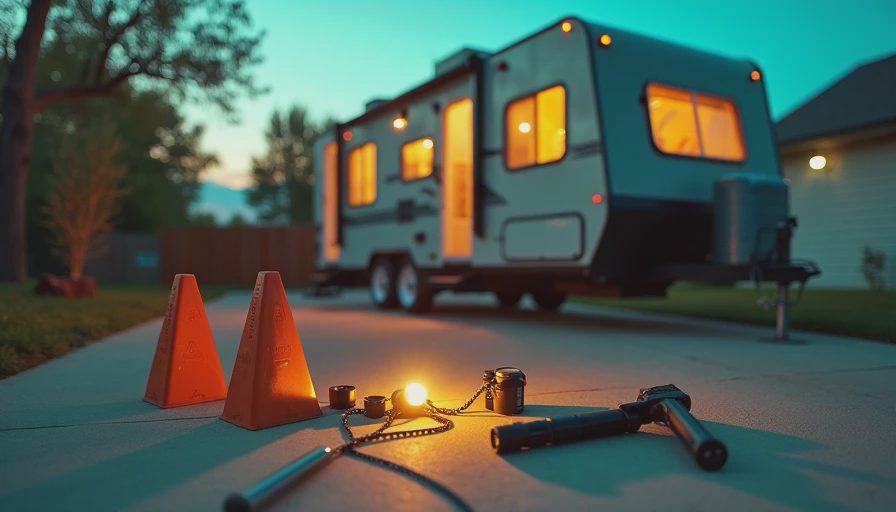
Lighting issues are still some of the easiest violations to avoid, yet they keep showing up because connectors and harnesses live a rough life. On the annual trailer maintenance checklist, inspect all marker lights, stop lamps, turn signals, license plate lights, interior lights where equipped, and the entire harness routing. Corrosion, rubbed insulation, bad grounds, and moisture intrusion are repeat offenders.
ABS deserves more than a dash-light glance. Check the warning lamp function, sensor wiring, power supply, and connector condition. If your trailers operate in wet, salted, or rough-road environments, plan on finding rubbed loom, green corrosion, and damaged mounts. This is basic uptime work.
Reefer and specialty trailers need another layer. Battery condition, charging circuits, telematics wiring, interior sensors, and unit controls should be reviewed during annual service, not after a no-cool alarm at 2 a.m. If you use liftgates, test operation, inspect hydraulic hoses, check fluid leaks, and confirm platform safety features work as intended.
Fleet Impact: Lighting repairs are low-cost shop work. Roadside electrical failures are high-cost operational failures. Same part, very different bill.
Match the Checklist to DOT Inspection Standards and Shop Workflow
A useful annual trailer maintenance checklist should line up with how your shop and your compliance file actually work. Under FMCSA inspection, repair, and maintenance requirements in 49 CFR Part 396, carriers need to systematically inspect, repair, and maintain equipment under their control. That does not mean every trailer gets the same depth on the same day, but it does mean your process should be documented, repeatable, and tied to repairs getting closed.
I recommend splitting the annual inspection into a standard form with pass, monitor, repair now, and remove from service categories. Add trailer ID, VIN, plate, unit type, mileage or utilization estimate, tire date codes where relevant, brake measurements, and technician notes. If you outsource PM work, require photos on major findings like cracked welds, leaking seals, damaged brake components, or significant tire wear patterns.
From our fleet's data, the best-performing shops build trailer annuals into slower demand windows and pre-stage common parts. That reduces dwell time and prevents the classic problem of a trailer sitting three extra days waiting on basic lamps, seals, or brake hardware.
Use Annual Findings to Reduce Cost Per Mile All Year
The annual inspection is not just about passing the next DOT look. It should feed the rest of your maintenance strategy. If ten similar trailers show the same wear pattern, that is not random. It may point to loading practice, route conditions, PM interval design, tire inflation discipline, or spec issues. Annual review is where trends become action items.
Track failure codes by trailer class and age band. Compare tire wear by lane, brake repairs by operating region, and lighting failures by connector type or trailer body style. If landing gear repairs spike on one spec, revisit component choice. If floors are deteriorating early, review moisture exposure and forklift practices. That is where the annual trailer maintenance checklist starts paying back beyond one inspection event.
What it costs, what it pays back, what it triggers with DOT. That is still the framework. A disciplined annual trailer maintenance checklist can lower emergency repair spend, improve trailer availability, and give your safety team cleaner records when inspectors ask for maintenance documentation. If your current process is a clipboard and a guess, tighten it now and build the checklist around uptime, compliance, and repeatable shop execution.