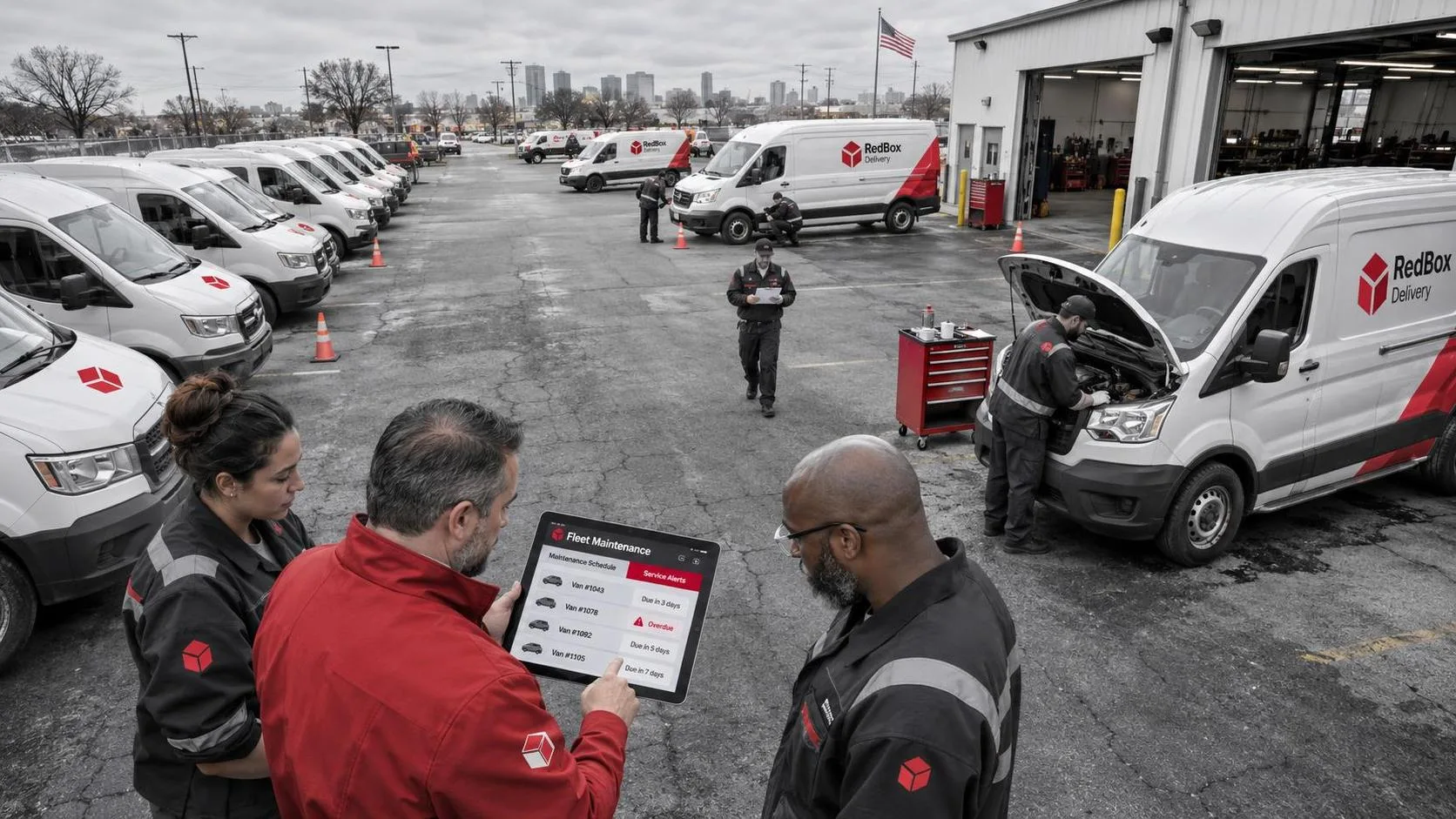
A truck that sits in the yard is still costing you money. The payment, insurance, registration, and depreciation continue while the vehicle produces no revenue. Fleet maintenance software gives managers a central way to schedule preventive work, track repair history, control parts, and prove that inspections were completed. For a 20-vehicle operation, that organization can prevent a few expensive breakdowns. For a 400-unit fleet, it becomes the difference between managing uptime and chasing failures.
I have managed mixed fleets long enough to know that software does not repair a transmission. It does make missed service intervals, repeat defects, overdue inspections, and parts shortages visible before they become a roadside event. The business case comes down to three numbers: cost per mile, downtime hours, and maintenance cost per unit. Start there, not with a colorful sales demo.
What fleet maintenance software should control
The basic job is to put every maintenance obligation in one dependable record. That includes mileage- and engine-hour-based preventive maintenance, calendar due dates, work orders, technician notes, labor time, parts used, vendor invoices, warranty information, and vehicle downtime. A good system should also handle trailers, generators, liftgates, and other assets that do not fit neatly into a vehicle-only database.
Look for odometer and telematics integrations that reduce manual entry. If a dispatcher or technician has to type mileage into three systems, the data will eventually drift. The platform should flag a coming service at a configurable threshold, such as 500 miles before an oil change or 30 days before an annual inspection. It should also show whether a work order is waiting for approval, a part, a technician, or an outside shop.
For a mixed fleet, configuration matters. A diesel medium-duty truck, a gasoline cargo van, and an electric vehicle do not share the same maintenance schedule. EVs eliminate some engine-related work but still require tire, brake, suspension, cooling, and high-voltage safety processes. Fleet maintenance software should let you assign different inspection templates and intervals instead of forcing one generic checklist onto every asset.
The compliance record matters as much as the repair
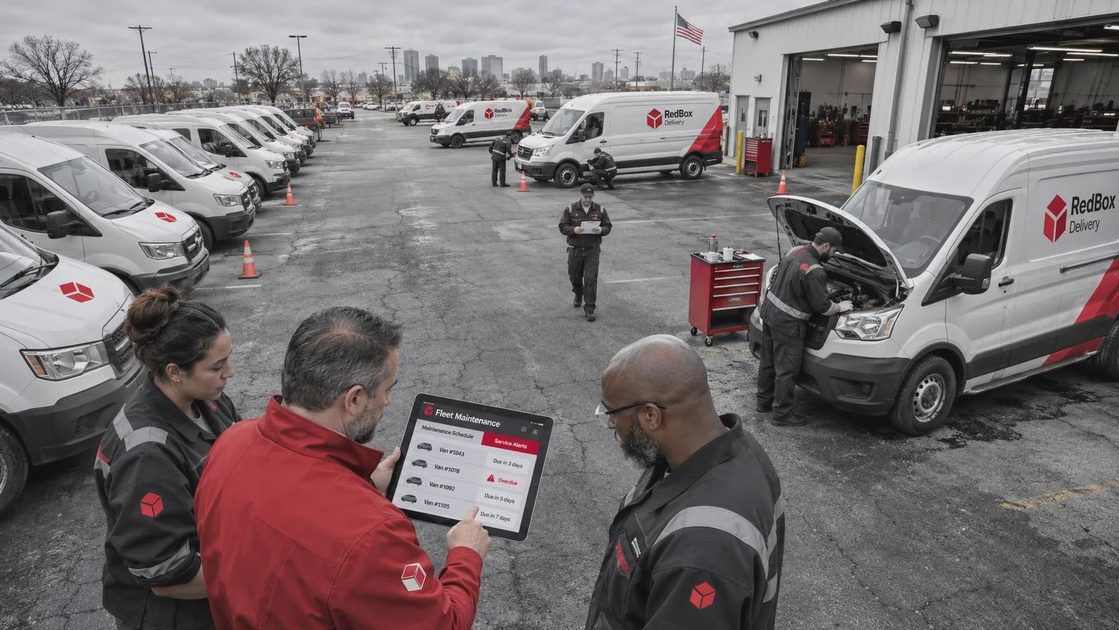
Under 49 CFR 396.3, motor carriers must systematically inspect, repair, and maintain vehicles so they remain in safe operating condition. Section 396.17 addresses periodic inspection requirements, and supporting maintenance records need to be available for the required retention period. The software does not make a vehicle compliant by itself. It gives your team a cleaner way to document the work that supports compliance.
That distinction matters during a DOT review. A green dashboard is not proof that a brake defect was corrected. You need a dated inspection, the reported defect, the corrective action, the person or vendor who completed it, and the vehicle identification. Digital records can make that trail easier to retrieve than a cabinet full of paper, but only if technicians actually close work orders with meaningful notes.
I would configure required fields for safety-related repairs rather than allowing a one-word entry such as “fixed.” Require the repair description, parts or components changed, labor hours, and final status. Store annual inspection documents and vendor invoices against the asset. Fleet maintenance software earns its place when a manager can answer an inspector’s question in minutes instead of calling three shops and searching email.
Fleet Impact: The payback is not only fewer breakdowns. Better records reduce duplicate repairs, expose overdue inspections, and give your safety manager evidence that maintenance controls are working. What it costs, what it pays back, what it triggers with DOT.
How to calculate the return before buying
Do not calculate return on investment from a vendor’s headline claim. Build a baseline from your own fleet for at least three months. Pull total maintenance spend, outside repair invoices, parts purchases, towing costs, road calls, rental vehicles, technician overtime, and downtime hours. Divide maintenance expense by miles operated to establish a current cost-per-mile figure.
Then identify the preventable leakage. Perhaps 14 percent of work orders are opened after a breakdown, or technicians spend eight hours each week finding parts and old repair history. Perhaps vehicles are sent to a dealer because no one knows whether a warranty claim is available. Put a dollar value on each problem. If one unavailable truck costs $650 in lost contribution margin per day and better scheduling prevents six such days per year, that is $3,900 of recoverable value for that unit.
Fleet maintenance software often charges per vehicle, user, module, or transaction. Compare the complete annual cost with measurable savings from avoided road calls, reduced overtime, better warranty recovery, and higher asset availability. A system costing $18,000 annually needs to produce more than $18,000 in credible value. I would want a payback target inside 12 to 18 months, with assumptions documented for the CFO.
Features that help a shop move faster
A mobile technician interface is useful when it works in a noisy yard with weak cellular service. The technician should be able to scan or select the asset, open a work order, attach photographs, record labor, identify parts, and close the job without returning to a desktop. Offline capability deserves a real test, not a promise in a brochure.
Parts control is another practical test. The system should show on-hand quantity, reorder points, shelf location, supplier, unit cost, and the vehicles using a part. A stockout on a common serpentine belt can hold a truck for hours. Overstocking slow-moving filters ties up cash. Require the platform to track core charges, substitutions, and purchase orders if your shop handles meaningful inventory.
Reporting should show exceptions first: overdue preventive maintenance, repeat failures, open safety defects, vehicles down longer than 24 or 48 hours, and maintenance cost by unit. A report that requires spreadsheet cleanup every Monday is not automation. Fleet maintenance software should export clean data for finance, operations, and safety without making one person the permanent translator.
Implementation is where most projects succeed or fail
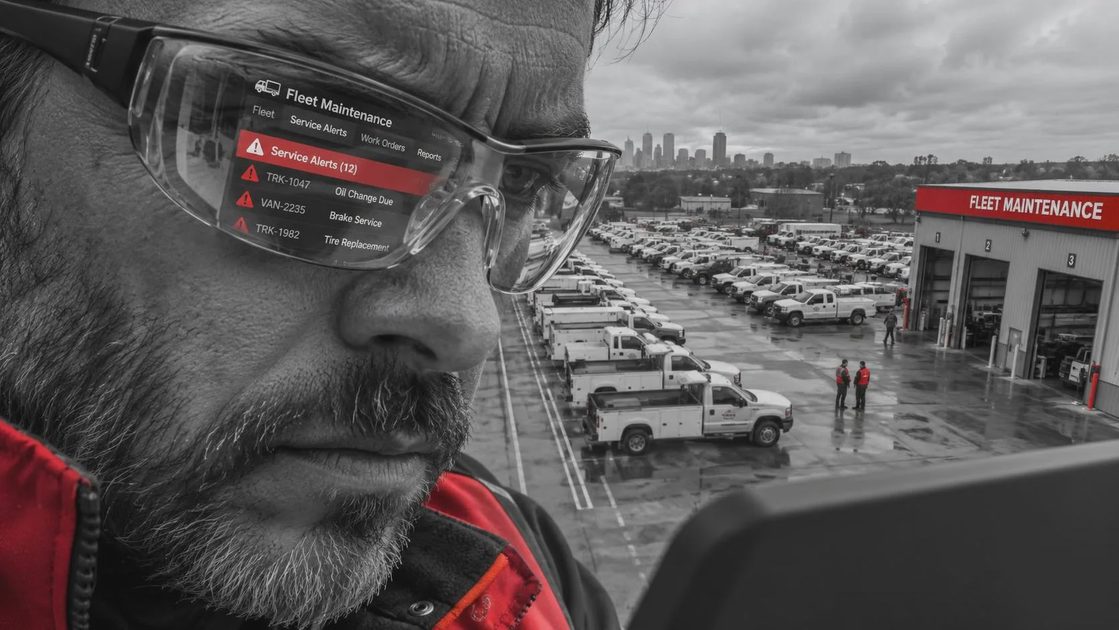
Start with a controlled rollout of 20 to 50 assets, not the entire company. Clean the asset list first: unit numbers, VINs, current mileage, in-service dates, engine hours, assigned location, and ownership status. Retire duplicate records. Load only reliable maintenance history, then establish preventive schedules with the service interval and the reason for it.
Train technicians on the closeout standard before measuring compliance. A closed work order should tell another person what failed, what was inspected, what was replaced, and whether the vehicle is safe to release. Train supervisors to review exceptions daily and require drivers to submit defects through a consistent process. The best platform cannot compensate for vague defect reports or supervisors who approve every closure without reading it.
After 30 days, compare adoption and results with the baseline. Check preventive maintenance completed on time, average downtime per repair, repeat repairs within 30 days, road calls, parts variance, and maintenance cost per mile. If the numbers do not improve, find the process failure before adding another module.
The buying questions I would ask
Ask whether the vendor supports your truck, van, trailer, and EV mix; whether telematics data can flow in automatically; and whether your records can be exported if you leave. Confirm user permissions, audit history, data backups, mobile offline behavior, integration fees, implementation charges, and support hours. Request a live demonstration using a fictional breakdown, a scheduled annual inspection, a warranty repair, and a parts stockout.
Also ask how the system handles a vehicle transferred between locations, a leased asset returned early, and an outsourced repair with several line items. Those ordinary events reveal more than a polished dashboard. Get references from fleets close to your size and operating model, not only a national carrier with a large IT department.
The right fleet maintenance software should make the next safe action obvious: schedule the service, quarantine the truck, order the part, approve the invoice, or escalate the recurring defect. Choose the platform that improves those decisions with your existing people and data. Then measure cost per mile, uptime, and compliance every month. That is the operational proof your drivers, DOT inspector, and CFO can all understand.