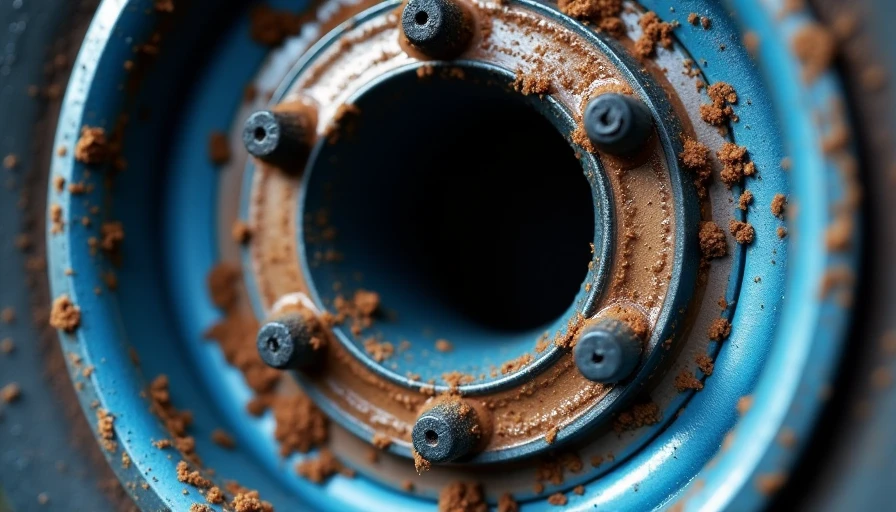
Signs of trailer bearing failure show up long before a wheel-end locks up on the shoulder. If you manage trailers for a fleet, catching those early warnings protects uptime, avoids expensive roadside calls, and keeps a bad wheel-end from turning into a DOT problem. I look at trailer bearings the same way I look at tires and brakes: small parts, big cost-per-mile consequences. What it costs, what it pays back, what it triggers with DOT.
Why bearing failure hits fleets harder than it looks
A failed trailer bearing is rarely just a parts bill. The real cost is the service call, the missed delivery window, the driver delay, the possible hub or spindle damage, and the downstream customer headache. On a commercial trailer, a neglected bearing can overheat, lose lubrication, pit the rollers, damage the race, and in the worst case contribute to wheel-end separation. That is not a shop inconvenience. That is an exposure issue.
For fleet managers, the practical question is simple: how early can your team identify the signs of trailer bearing failure before the failure event? In most cases, earlier than people think. Heat, noise, grease loss, and abnormal wheel movement usually give you a warning if inspections are disciplined.
**Fleet Impact:** A planned hub service in the yard is usually a few hundred dollars in labor and parts. A roadside wheel-end event can multiply that fast once towing, mobile repair, delayed freight, and hub replacement are on the ticket.
The most common signs drivers and techs should never ignore
Start with heat. If one hub is noticeably hotter than the others after a run, that is one of the clearest signs of trailer bearing failure or improper adjustment. You do not need drama to act on it. A simple walkaround with an infrared thermometer during PM checks can catch a problem before metal starts coming apart.
Next is noise. A growling, grinding, rumbling, or high-pitched whine from the wheel-end is not normal. Drivers may hear it at low speed in yards or during turns. Techs may catch it during a spin test with the axle lifted. Vibration is another tell, especially if it is isolated to one wheel position.
Then look for grease. Grease streaked on the inside of the wheel, around the hub cap, or on brake components points to a failed seal or overheated lubricant. Once lubrication is compromised, the bearing is on borrowed time.
Finally, check end play. Excessive wheel movement when the assembly is rocked by hand can indicate looseness, wear, or incorrect bearing adjustment.
What usually causes trailer bearings to fail
Most bearing failures are maintenance failures before they are parts failures. The root causes are familiar: contaminated grease, water intrusion, bad seals, incorrect torque or adjustment, overloading, and missed service intervals. If your trailer runs through wet yards, boat ramps, wash bays, or long idle periods, contamination risk goes up.
Improper installation is another expensive repeat offender. Bearings that are too tight run hot. Bearings that are too loose pound themselves and the hub to death. Mixing damaged races with new bearings, reusing compromised seals, or packing grease incorrectly also shortens service life.
From our fleet's data, wheel-end issues often trace back to process inconsistency more than product quality. One location follows the adjustment procedure exactly. Another location rushes the job because the trailer needs to roll. The result is uneven reliability across the fleet.
**Fleet Impact:** Three numbers your CFO will ask about — here they are first. Cost per event, downtime hours, and repeat-failure rate. Standardized wheel-end procedures usually pay back faster than upgrading parts without fixing the process.
Inspection routines that actually catch problems early
If you want to reduce the signs of trailer bearing failure from surprise events to scheduled repairs, build the check into existing PM and pre-trip workflows. Drivers should be trained to note unusual hub heat, grease around the wheel-end, new vibration, or any noise during low-speed movement. They are not doing a teardown. They are flagging exceptions early.
In the shop, use repeatable inspection steps: compare hub temperatures side to side, inspect seals and hub caps, listen during wheel rotation, check for roughness, and verify end play where appropriate. During brake work, do not treat the hub area as separate from the wheel-end system. Bearings, seals, brakes, and tires all talk to each other through heat.
For operations with higher annual mileage or severe duty cycles, shorten inspection intervals instead of waiting for standard calendar PMs to do all the work. A trailer that lives heavy and hot needs a different maintenance rhythm than one doing lighter regional work.
DOT and safety implications you cannot brush off
This is where fleet discipline matters. A bad bearing condition can create out-of-service risk if it results in wheel-end looseness, damaged components, or related brake issues discovered during inspection. FMCSA rules require parts and accessories to be in safe operating condition, and wheel-end integrity is part of that real-world expectation even when the citation starts with a broader equipment issue.
If a driver reports one of the signs of trailer bearing failure and the unit is kept in service without inspection, you are making a bad gamble. The safety exposure is obvious, but so is the operational one. A wheel-end event on the road can ripple through dispatch, customer service, maintenance, and claims in a single afternoon.
What it costs, what it pays back, what it triggers with DOT. That line applies here exactly. The trigger is not only repair cost. It is potential inspection scrutiny, preventable roadside downtime, and a maintenance record that gets harder to defend.

When to repair, when to replace, and how to keep costs controlled
If a bearing shows heat damage, pitting, scoring, discoloration, rough rotation, or metal contamination, replace it. Do not try to save a few dollars on a component that has already told you it is done. In many cases, the right repair includes bearing and race replacement together, a new seal, fresh lubricant, and close inspection of the hub and spindle for damage.
If the issue is caught early and limited to adjustment or seal failure, the repair can stay contained. If it is ignored, the bill grows into hub replacement, brake contamination cleanup, and potentially a stranded-load problem. That is why the signs of trailer bearing failure matter so much at the first symptom, not the last one.
My recommendation is simple: standardize inspection language, train drivers on visible and audible warning signs, require temperature comparisons during PMs, and track wheel-end failures by trailer number and shop location. If one site has repeat issues, audit the process before you blame the hardware.
The cheapest bearing failure is the one you schedule in your yard instead of discovering on the interstate. If your team is seeing heat, noise, grease loss, or looseness, act now and tighten the wheel-end program before the next trailer makes the decision for you.