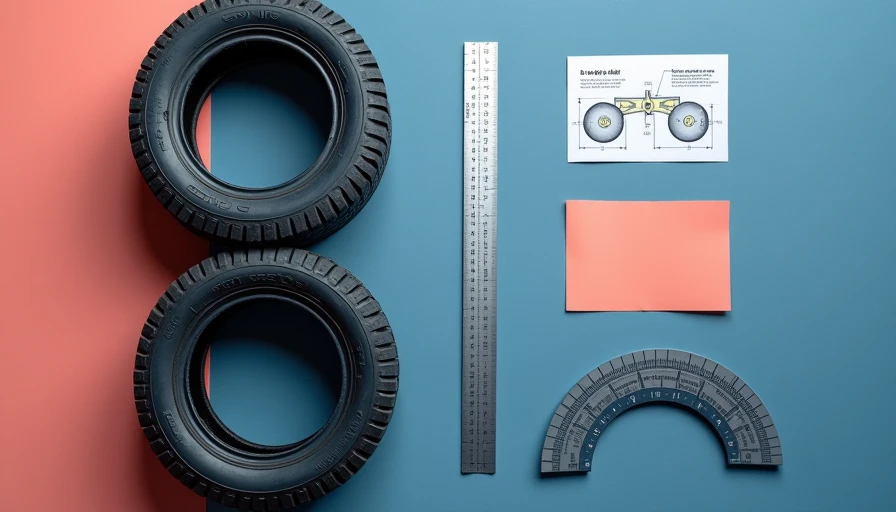
Why do trailer tires wear unevenly? In fleet terms, it usually comes down to three things: alignment, inflation, and suspension condition. Ignore it, and you are not just burning through rubber. You are adding roadside downtime, increasing cost per mile, and raising the odds of a failed inspection when a worn shoulder or exposed cord gets a DOT officer's attention. What it costs, what it pays back, what it triggers with DOT: one bad wear pattern can take a serviceable trailer out of rotation weeks early.
The wear pattern tells you where to look
Uneven wear is not random. Trailer tires leave clues, and the tread pattern usually points straight to the system that is out of spec. If both shoulders are wearing faster than the center, the tire has likely been running underinflated. If the center is wearing first, overinflation is a common suspect. One-sided shoulder wear often points to axle misalignment, bent components, or worn suspension parts. Cupping or scalloping can signal wheel-end issues, imbalance, or shocks on equipment that uses them.
In my experience, fleets waste money when they replace the tire before diagnosing the trailer. The replacement tire gets installed, then the same irregular wear returns in 10,000 to 20,000 miles. From our fleet's data, that is where tire spend quietly turns into repeat labor, extra road calls, and unnecessary casing loss.
**Fleet Impact:** If a trailer tire comes out early by even 20% to 30% of expected tread life, your effective tire cost per mile climbs fast. Multiply that across a multi-trailer operation and the budget hit is obvious.
Inflation problems are still the most common cause
If you ask why do trailer tires wear unevenly, start with air pressure before you start ordering parts. Trailer positions are unforgiving because they scrub in turns, carry consistent load, and often get less driver attention than steer or drive tires. A tire that runs low builds heat, flexes excessively, and chews up both shoulders. It also becomes more vulnerable to separations and blowouts.
The fix is not complicated, but it has to be disciplined. Use calibrated gauges, check pressures cold, and match the inflation to the actual load and tire manufacturer's load table. If the trailer sees changing payloads, your PM process needs to account for that. Tire pressure monitoring systems can help, especially on higher-mileage or high-utilization fleets, but even a basic weekly inflation check beats replacing tires blindly.
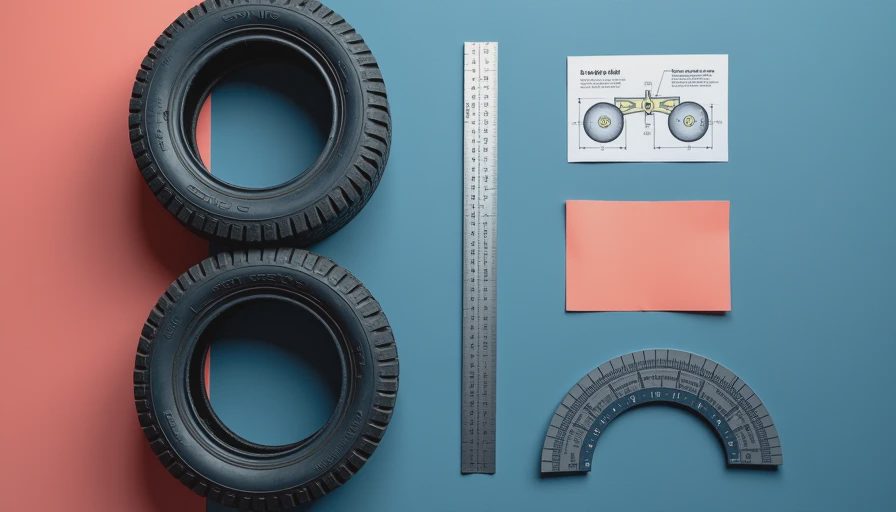
Three numbers your CFO will ask about — here they are first: tire replacement cost, service call cost, and lost revenue from an idle trailer. A pressure issue can affect all three at once. Low inflation is cheap to prevent and expensive to ignore.
Alignment and axle tracking do real damage
A lot of fleet managers focus on tractor alignment and forget the trailer is dragging sideways down the road. That is where uneven wear becomes chronic. If axles are not parallel to each other or not square to the frame, the tires scrub every mile. You will see rapid wear on one edge, feathering across the tread, or one axle wearing noticeably faster than the next.
Common causes include curb strikes, dock abuse, pothole damage, spring hanger wear, and previous repairs that were good enough to get the unit rolling but not good enough to restore tracking. This matters on tandems and spread axles alike. If the trailer does not track cleanly behind the tractor, the tire bill will tell you.
The answer is measurement, not guesswork. Have axle alignment checked when you see repeat shoulder wear, after impact events, or when a trailer starts pulling oddly in the yard. Laser alignment service costs money up front, but it usually pays back faster than another set of prematurely worn tires.
**Fleet Impact:** Alignment corrections often pay back in one tire cycle or less when a trailer has severe scrub wear. They also reduce drag, which can slightly improve fuel economy across high-mile routes.
Suspension, wheel-end, and loading issues are the next layer
When inflation and alignment check out, look harder at the hardware. Worn bushings, loose U-bolts, bad bearings, damaged equalizers, bent axles, and weak springs can all change how the tire contacts the road. A trailer with suspension slop will not hold geometry consistently, which means the wear pattern may look irregular or intermittent instead of cleanly diagnostic.
Loading also matters more than some operations admit. Repeated side-to-side imbalance can overload one tire position and underwork another. That shows up as one trailer side wearing faster, especially in operations with predictable loading habits. Overloading is even worse. It increases heat, accelerates wear, and can create a compliance problem if weights are not managed properly.
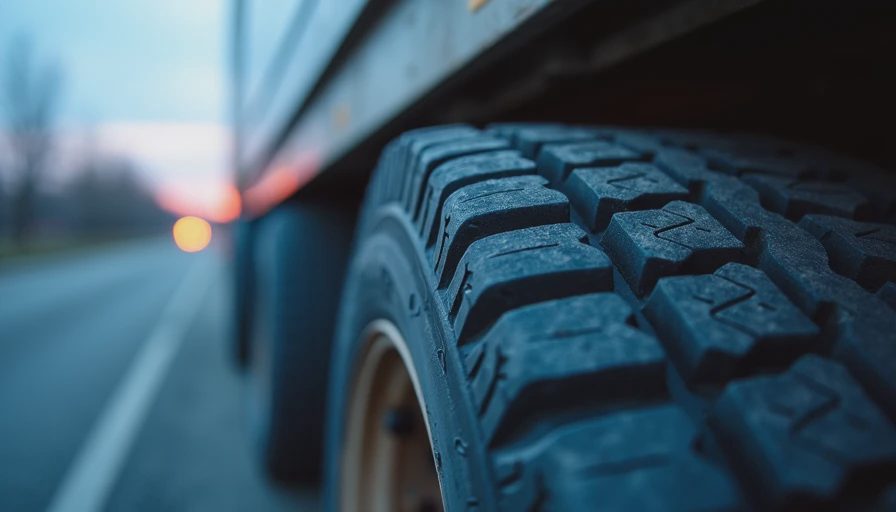
From a compliance standpoint, tire condition is not just a maintenance issue. Under FMCSA rules, drivers are expected to note obvious tire defects during inspections, and carriers are responsible for keeping equipment in safe operating condition. Exposed ply, audible leaks, or unsafe tread conditions can put a trailer out of service fast.
How to fix the problem before it repeats
The best answer to why do trailer tires wear unevenly is a process, not a one-time repair. Start by documenting wear by position at every PM. Photograph suspect tires, note inflation readings, and record axle location so patterns can be tracked across service events. If the same wheel position keeps failing early, the trailer is telling you where to inspect.
Next, build a short diagnostic sequence your shop can follow: verify pressure, inspect tread pattern, check wheel-end play, examine suspension components, and measure alignment if the wear points that way. Rotate only when rotation will extend life without hiding a mechanical problem. On some trailers, rotating a damaged wear pattern just spreads the evidence around.
Finally, train drivers and yard teams to flag unusual wear before the tread gets critical. A five-minute walkaround can save a road failure, tow bill, and missed delivery window. If you manage enough units, standardizing this process is one of those boring maintenance habits that quietly protects uptime.
The bottom line for fleets and owner-operators
Why do trailer tires wear unevenly? Most of the time, because the trailer is operating out of spec somewhere and the tread is the first place you see it. Low inflation, bad alignment, worn suspension parts, wheel-end problems, and poor loading discipline are the usual culprits. The smart move is to treat tire wear as a diagnostic tool, not just a replacement event.
What it costs, what it pays back, what it triggers with DOT: solving uneven trailer tire wear lowers tire cost per mile, reduces roadside failures, and helps keep equipment inspection-ready. If your trailers are eating shoulders, cupping treads, or burning through one axle position faster than the rest, do not just order more tires. Inspect the system behind the wear and fix the root cause before it hits uptime again.