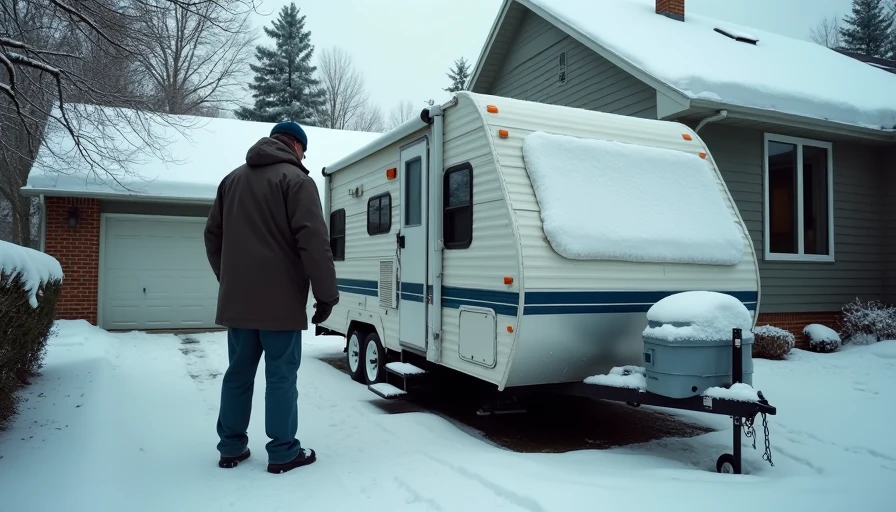
A solid **winter trailer storage guide** is not about making the yard look organized. It is about controlling cost per mile, reducing spring downtime, and avoiding preventable defects that show up when trailers go back into service. If you manage dry vans, reefers, flatbeds, or specialty units, winter storage decisions affect tires, brakes, batteries, floors, seals, corrosion, and inspection readiness. Three numbers your CFO will ask about are simple: what it costs to store correctly, what it pays back in avoided repairs, and how many service hours you save during seasonal reactivation.
Start With a Storage Plan, Not a Parking Spot
The fastest way to create spring repair bills is to park trailers wherever there is space and call it done. Good winter storage starts with unit selection, location control, and documentation. In our fleet, every trailer headed for seasonal layup gets a pre-storage inspection, photo record, and exception list. That means tire condition, brake wear, lighting status, roof condition, door seals, mudflaps, landing gear operation, and any existing body damage are logged before the unit sits.
Pick a storage area with drainage, stable ground, and enough room for periodic checks. Soft ground creates landing gear problems and can shift trailer attitude over time. If water pools around axles or suspension components, corrosion accelerates. If possible, store on pavement or compacted aggregate, not bare soil.
Fleet Impact:
What it costs: about 30 to 60 minutes of technician time per trailer.
What it pays back: fewer damage disputes and faster spring turn-in.
What it triggers with DOT: better maintenance records if a unit is later selected for inspection or audit review.
Tag each trailer clearly as stored, out of service, or ready reserve. That avoids an operations mix-up where a parked trailer gets dispatched without proper reactivation.
Protect Tires, Brakes, and Suspension From Sitting Damage
A practical **winter trailer storage guide** has to focus on running gear first, because idle equipment ages differently than active equipment. Tires can flat-spot, lose pressure, and weather-check during long storage, especially when units sit loaded or on uneven surfaces. Before storage, unload the trailer fully unless there is an operational reason not to. Set cold tire pressures to manufacturer recommendations and record them.
Move stored trailers on a schedule if you can. Even a short reposition every 30 to 45 days helps change tire contact patches and reduces the chance of flat spotting. For longer storage windows, some fleets use jack stands to reduce weight on suspension and tires, but only if done safely on stable surfaces and according to shop policy.
Brakes also need attention. Moisture, road salt residue, and inactivity can lead to corrosion on drums, rotors, slack adjusters, and air system components. Chock wheels properly, release or set systems according to your maintenance procedure, and verify there is no air leak issue before layup. Do not store a dirty trailer if it came out of winter service lanes with salt and grime still on it.
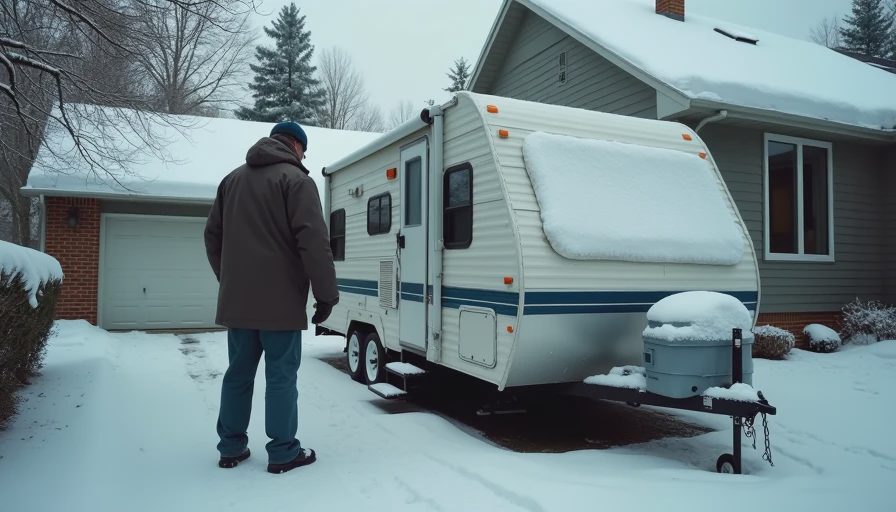
Clean Out Moisture, Salt, and Organic Debris Before You Park It
If you skip cleaning, you are basically approving corrosion and mold in advance. This is where a **winter trailer storage guide** saves real money. Wash the trailer exterior, undercarriage areas you can access, wheels, and rear frame sections where road treatment chemicals collect. Clean roof drains, scuppers, and door tracks. On flatbeds, remove trapped debris around stake pockets and tie-down points.
Inside dry vans and cargo trailers, sweep out pallets, cardboard, absorbents, and any organic debris that can hold moisture. Wood floors should be dry before storage. Reefer trailers need a higher standard: sanitize the box if required by your operation, clean drain lines, and confirm the unit is fully shut down under OEM procedure.
Moisture management matters more than most managers admit. Condensation can damage interior surfaces, electrical connectors, and cargo areas even when a trailer never moves. Check roof seams, marker light seals, and door gaskets before storage, because a small leak over three months turns into floor rot, mold, or liner damage.
Fleet Impact:
What it costs: wash labor plus a basic cleaning cycle.
What it pays back: less corrosion, fewer door and floor repairs, and better resale condition.
What it triggers with DOT: cleaner equipment is easier to inspect for defects that matter.
Handle Batteries, Electrical Systems, and Telematics the Right Way
Stored trailers with liftgates, telematics, interior lighting, ABS power needs, or refrigeration systems require an electrical plan. Battery neglect is one of the most common reasons a trailer comes out of storage dead-on-arrival. Test batteries before layup. If they are already weak, replace them before storage or remove them from service inventory and charge-maintain separately.
For trailers left in the yard with batteries installed, disconnect parasitic loads where practical and safe. Verify telematics devices, security systems, and liftgate controls are not slowly draining voltage. On reefer units, follow OEM shutdown and maintenance guidance, including fuel condition and battery management if applicable.
Lighting and harnesses should also be inspected before storage. Corroded plugs, damaged pigtails, and exposed wiring do not improve while parked. They usually get worse. Coat electrical connection points with appropriate dielectric protection if that aligns with your shop standard.

From our fleet's data, one hour spent on battery and electrical prep often saves two to four hours of troubleshooting in spring, especially on specialized equipment. That is the kind of math that matters when shop capacity is already tight.
Secure the Trailer and Stay Ready for Compliance
Storage is still a fleet control issue. A parked trailer can create theft exposure, yard damage, and compliance headaches if it is not clearly managed. Lock doors where applicable, use gladhand and kingpin locks if your theft risk justifies them, and make sure stored units are listed in your asset status system. If registration, FHWA inspection timing, or internal PM intervals will lapse during storage, note that now so the trailer is not accidentally put back into service out of compliance.
For fleets operating interstate, remember the maintenance record expectations under FMCSA rules do not disappear because a trailer is parked. You still need an organized file on identification, inspection history, and maintenance activity for equipment under your control. What it costs, what it pays back, what it triggers with DOT — that line matters here more than anywhere.
Do periodic yard walks. Look for vandalism, tire pressure loss, fluid leaks from attached equipment, roof damage, and signs that a stored trailer has been moved without authorization.
Build a Spring Reactivation Checklist Now, Not Later
The best **winter trailer storage guide** ends with restart planning. Do not wait until peak season to figure out what a stored trailer needs before dispatch. Build a reactivation checklist at the time of storage and attach it to the unit record. That checklist should include tire pressure verification, brake inspection, lighting and ABS check, battery voltage, door function, roof and seal review, and a quick roadworthiness inspection by maintenance.
If a trailer has been parked for several months, schedule enough shop time for a proper return-to-service process. For reefers and liftgate units, include functional testing under load where possible. For dry vans and flatbeds, verify the unit is cargo-ready, not just movable.
A disciplined **winter trailer storage guide** usually costs less than one avoidable tire replacement, one corroded brake repair, or one missed load caused by a dead trailer in March. If you are trying to reduce downtime and protect asset value this winter, start with a storage checklist, assign ownership, and audit the yard monthly. That is the simple play: fewer surprises, faster spring activation, and better ROI across the trailer pool.