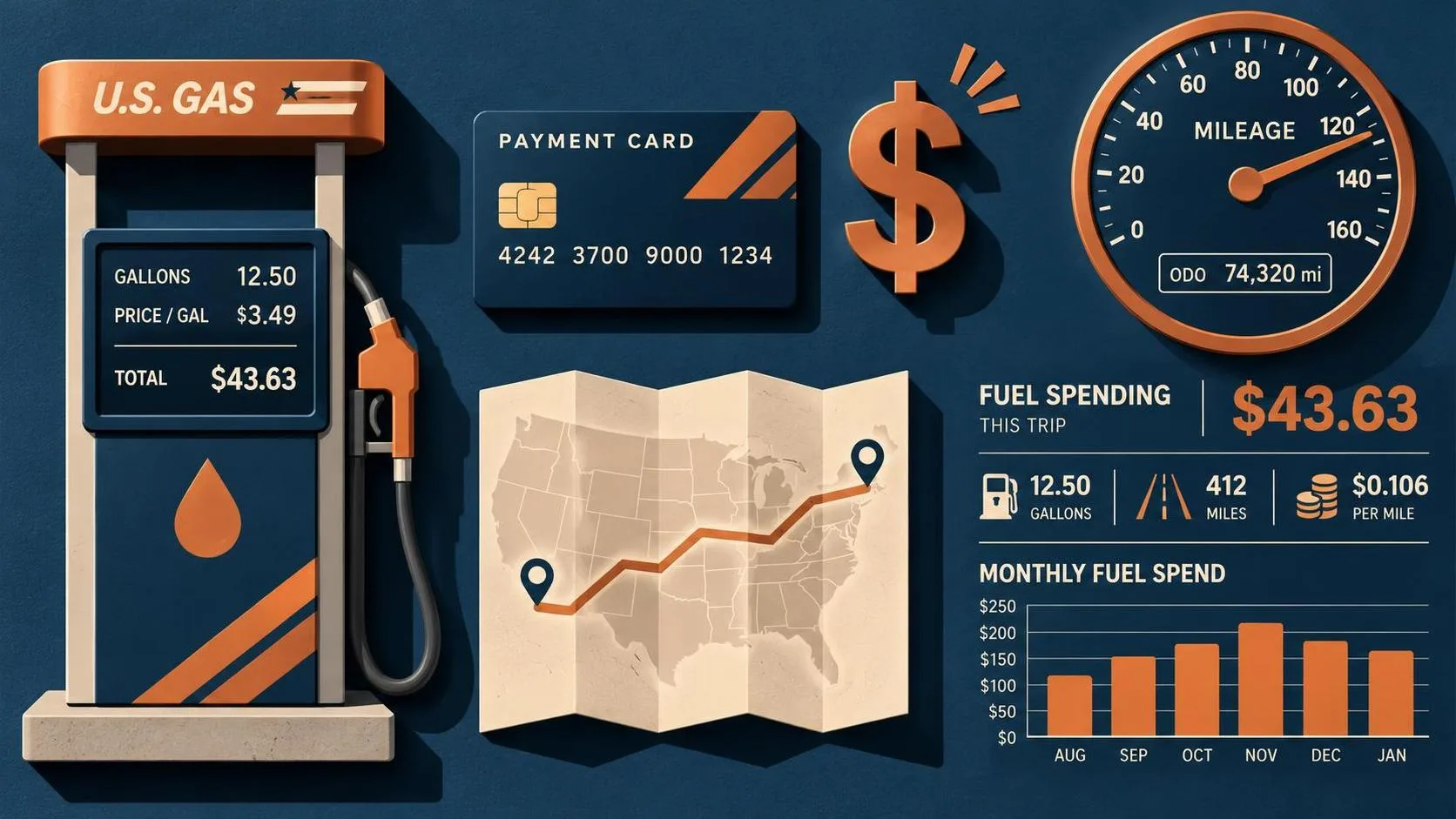
Fuel cards can reduce unauthorized purchases, simplify reconciliation, and give operations teams better control over one of the largest variable costs in transportation. In a 400-vehicle mixed fleet, even a small improvement in fuel pricing or transaction discipline affects cost per mile quickly. The catch is that fuel cards are not interchangeable payment plastics. Network coverage, fees, driver controls, reporting quality, and accounting integration determine whether the program pays back or becomes another monthly invoice to audit.
I have managed enough fuel transactions to know where the savings disappear. A card program needs a written policy, clean exception reporting, and someone accountable for reviewing the data. The card itself does not stop misuse. The controls and follow-up do.
What fuel cards should accomplish
The first job is visibility. A good program connects each transaction to a vehicle, driver, location, odometer reading, and fuel grade. That creates a usable record for comparing gallons purchased with miles traveled. If unit 214 normally gets 7.2 miles per gallon and suddenly reports 5.8, the report should prompt a maintenance check, route review, or possible misuse investigation.
The second job is control. Administrators can often restrict purchases by fuel type, dollar amount, time of day, day of week, or geographic area. Some programs require a driver identification number and vehicle mileage at the pump. For a regional fleet, those settings can prevent gasoline purchases on a diesel unit or transactions hundreds of miles from an assigned route.
The third job is administrative. A transaction feed can reduce manual receipt entry and support monthly cost allocation. That matters when accounting needs fuel assigned to a cost center, customer, terminal, or vehicle class. Fuel cards work best when they replace several disconnected processes instead of merely adding another payment method.
Compare the total program cost, not the advertised discount
A per-gallon discount sounds attractive until the network price is higher than a nearby cash or retail price. Ask each provider to show the pricing basis in writing. Some programs use retail-minus pricing, while others apply discounts only at participating locations. A fleet traveling across Texas, Oklahoma, and Arkansas should test actual route stops rather than relying on a national average.
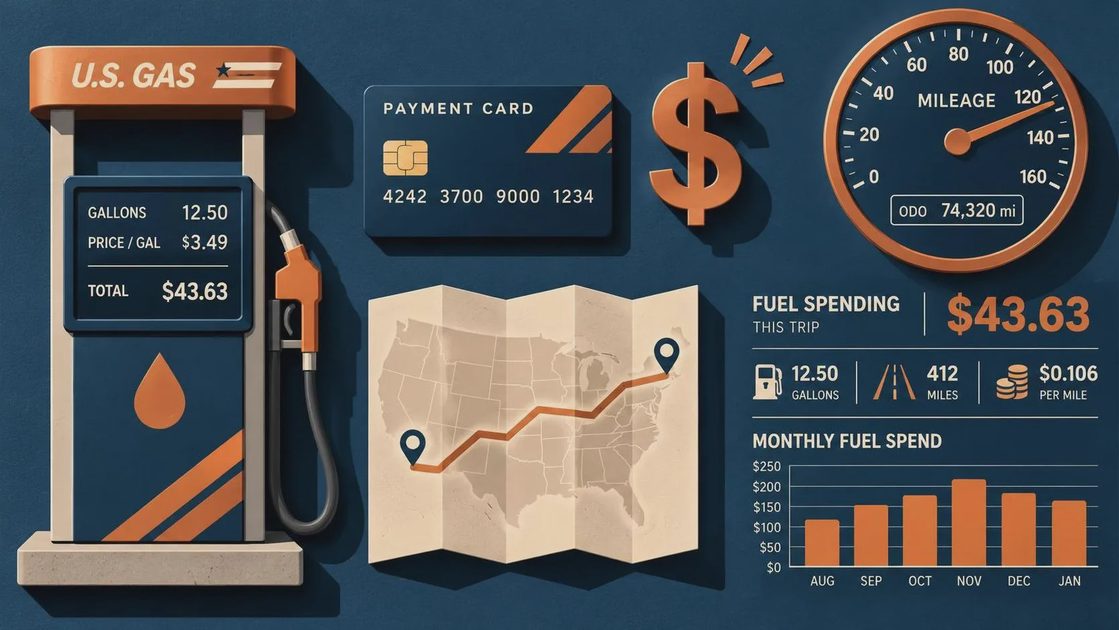
Build the comparison around five numbers: average gallons per month, average price per gallon, discount received, transaction fees, and monthly account fees. For example, a 200-truck operation using 300,000 gallons monthly would receive $30,000 in gross savings from a 10-cent discount. A 2-cent transaction fee on 18,000 monthly transactions would consume $360, before other charges. That leaves the finance team with a clear starting point for evaluating payback.
Watch for charges tied to inactive cards, paper invoices, replacement cards, fuel advances, and out-of-network transactions. A program that looks strongest at the pump can lose its advantage through fees and poor route coverage. Request a sample invoice and a complete fee schedule before signing. The contract should also explain price posting, rebate timing, dispute procedures, and termination costs.
Fleet Impact: The CFO will ask whether the savings are gross or net. Report both. Gross discount is a purchasing result; net savings is what remains after fees, administrative labor, and exceptions.
Controls that reduce leakage without slowing drivers
Controls must match the work. A long-haul driver cannot use a program designed only for local delivery routes, and a local service fleet should not have unrestricted national purchasing access. Set reasonable daily gallon limits by vehicle class. A Class 8 tractor, a sprinter van, and a pickup should not share the same threshold.
Require odometer entry, driver identification, and vehicle number where the system supports them. These fields create friction, but they also create an audit trail. Do not make controls so aggressive that drivers bypass the process with emergency purchases and submit handwritten receipts later. Establish an exception path for breakdowns, assigned rental vehicles, card failures, and severe weather.
Use alerts for duplicate transactions, unusually high gallons, multiple purchases within a short window, and purchases outside a vehicle’s normal geography. A single alert is not proof of fraud. It is a prompt to compare the transaction with dispatch records, GPS history, and the driver’s electronic logging information.
For DOT compliance, keep the fuel record connected to the vehicle and reporting period used for your fuel tax process. Fuel cards do not replace required records under your company’s International Fuel Tax Agreement procedures, and they do not replace electronic logging device records. They can, however, make supporting documentation easier to retrieve during an audit.
Reporting that turns purchases into maintenance decisions
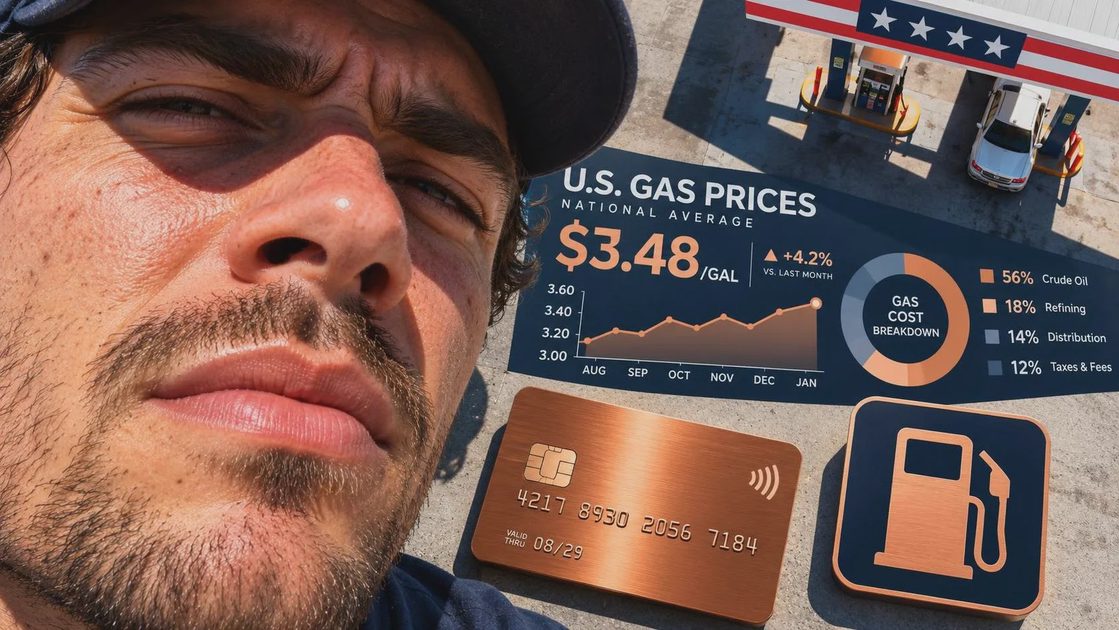
The most useful report is not a colorful dashboard. It is a report that leads to an action. Review gallons per mile, cost per mile, fuel grade, idle-related consumption, and purchases by route. Compare similar units operating in similar duty cycles. A straight truck running urban deliveries should not be judged against a highway tractor pulling a light load.
Fuel data can also expose maintenance problems early. Declining fuel economy may point to underinflated tires, dragging brakes, injector issues, aftertreatment problems, or excessive idle time. Confirm the pattern before authorizing repairs. Three abnormal transactions are more useful than one bad tank, especially when weather, payload, or route congestion could explain the change.
Set a weekly review for exceptions and a monthly review for trend lines. Assign ownership to a fleet analyst, maintenance supervisor, or operations manager. If everyone owns the report, nobody owns the follow-up. In our operation, the review ends with a ticket, policy correction, coaching note, or documented explanation.
Fuel cards and electric fleet planning
Fuel cards still matter during an electric vehicle transition because most fleets operate mixed equipment for years. A driver may use a card for a gasoline backup vehicle, a rental truck, DEF, washes, or approved maintenance purchases. Meanwhile, charging expenses may flow through a separate network or utility account.
Treat energy data as one cost system even when vendors differ. Track dollars per mile, not just dollars per gallon or kilowatt-hour. A charging program should identify vehicle, location, session duration, energy delivered, and idle fees when applicable. Your fuel-card provider may offer integrations, but do not assume the data will match your telematics platform without testing.
For an EV pilot, establish rules before deployment: approved charging locations, home-charging reimbursement, public charging limits, and responsibility for damaged equipment. Mixed-fleet reporting prevents the common mistake of declaring an EV cheaper without including charger installation, demand charges, downtime, and route constraints.
A practical rollout plan
Start with a 60-day baseline. Export fuel transactions, gallons, mileage, fees, out-of-network purchases, and known exceptions. Remove duplicate vehicles and inactive drivers before calculating savings. Then select two or three representative routes for a controlled comparison rather than changing the entire fleet overnight.
Write the card policy in operational language. State who may use a card, what products are authorized, how lost cards are reported, which receipts are required, and what happens after an unexplained exception. Train dispatchers as well as drivers because dispatch often approves the emergency transaction.
After launch, compare net savings against the baseline at 30, 60, and 90 days. Track card declines, driver complaints, missing odometer readings, suspicious transactions, and administrative hours. A program that saves 8 cents per gallon but adds two hours of reconciliation every day is not delivering the promised result.
Fuel cards are worth considering when they improve purchasing economics and operational visibility at the same time. Choose the network that fits your routes, negotiate from actual gallons, and keep the controls proportionate to the work. What it costs, what it pays back, what it triggers with DOT: that is the review every fleet program deserves.