If you manage trailers for a living, trailer suspension maintenance tips are not a shop-floor nice-to-have. They are a cost-per-mile control point. In fleet terms, worn suspension parts show up fast as irregular tire wear, cargo complaints, brake drag from bad axle alignment, and roadside downtime that burns driver hours. What it costs, what it pays back, what it triggers with DOT: a few minutes during PM can prevent a tire replacement cycle from arriving early and can help keep equipment in service instead of in a bay.
I look at trailer suspension the same way I look at wheel ends and brakes: as a system, not a single component. Leaf spring, air ride, torque arms, bushings, hangers, equalizers, U-bolts, shocks, air bags, and ride height all affect how a trailer tracks and carries weight. Ignore one weak link and the rest of the assembly starts charging you for it.
Start with the wear patterns that hit your budget first
The best trailer suspension maintenance tips start with symptoms you can see without overcomplicating the process. Uneven tire wear is usually the first bill your CFO notices. Inside edge wear, feathering, cupping, or one axle scrubbing faster than the others often points to alignment or worn suspension hardware rather than a bad tire program. If drivers report a trailer that pulls oddly, bounces unloaded, or leans at the dock, put suspension inspection ahead of another tire order.
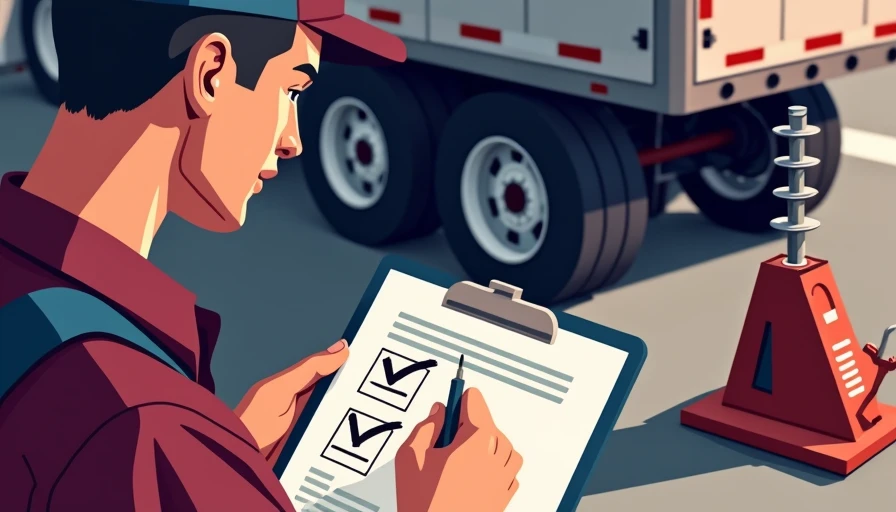
For a walk-around, have techs look for shifted axles, cracked spring leaves, damaged hangers, loose or rust-tracked fasteners, torn bushings, leaking shocks, and air bags with dry rot or abrasion marks. On air ride units, compare ride height side to side. On mechanical suspension, check equalizer movement and whether components are binding instead of articulating normally.
Fleet Impact:
- Cost: premature tire loss can wipe out any savings from stretching PM intervals.
- Payback: catching one failed bushing before it takes out a set of tires is usually a same-month win.
- DOT: visible broken suspension parts can become inspection problems fast.
Build suspension checks into every PM, not just annual inspections
A common mistake is treating suspension as something you inspect only when a trailer comes in for annual DOT inspection. That is too late for most fleets. My recommendation is simple: put suspension checkpoints into every preventive maintenance event, whether the trailer is on a mileage-based schedule or a time-based schedule tied to utilization.
At minimum, techs should verify torque retention on critical fasteners where your maintenance program calls for it, inspect bushing condition, measure ride height on air ride systems, check shock absorbers for leakage or damage, and confirm there is no metal-to-metal contact where it should not exist. If the trailer runs severe service, urban dock work, construction access roads, or heavy liftgate cycles, shorten the inspection interval. Those duty cycles punish suspension harder than long, steady highway freight.
This is also where good records matter. If one trailer has repeated tire wear on the same position, stop treating each tire as an isolated event. Trend the unit history. From our fleet's data, repeat wear on a single axle almost always justifies a deeper undercarriage inspection before the next dispatch.
Do not skip alignment and ride height verification
Among all trailer suspension maintenance tips, this one gets underused because it feels less visible than replacing a broken part. But alignment and ride height are where a lot of hidden cost lives. A trailer can look acceptable from ten feet away and still be scrubbing rubber every mile.
On air ride suspensions, incorrect ride height changes driveline and axle geometry, affects load distribution, and can increase tire wear. Height control valves should be inspected for proper operation, linkage condition, and air leaks. If the trailer settles unevenly or takes too long to recover, test before the complaint becomes a roadside issue.
For axle alignment, do not rely on guesswork. If you see persistent shoulder wear, dog-tracking, or steering complaints from multiple tractors pulling the same trailer, schedule a proper alignment check. The labor cost is easier to defend than replacing tires early across tandem positions. Three numbers your CFO will ask about — here they are first: tire cost, downtime hours, and resale condition. Alignment touches all three.

Pay close attention to bushings, torque arms, and spring hardware
Suspension failures often start small. A worn bushing, elongated hole, cracked hanger, or loose U-bolt may not ground the trailer today, but it starts a chain reaction. Once component movement exceeds design limits, other parts absorb loads they were not meant to take. That is when you begin seeing accelerated wear across tires, brakes, and even frame attachment points.
Bushings deserve special attention because they fail quietly at first. Look for tearing, deformation, separation from the sleeve, or excessive movement under pry-bar inspection where your shop procedure allows. Torque arms and radius rods should be checked for straightness, secure mounting, and bushing integrity. On spring suspensions, inspect leaves for cracking near the center bolt and eyes, and make sure spring seats and retainers are secure.
What it costs, what it pays back, what it triggers with DOT: replacing bushings and hardware in a planned service window is predictable. Letting them fail on the road adds towing risk, delivery disruption, and inspection exposure. That is not maintenance savings. That is deferred expense with penalties attached.
Train drivers to report suspension clues before they become breakdowns
Good trailer suspension maintenance tips are not only for technicians. Drivers see the trailer every day, and they can give you early warning if you make reporting easy. Ask for simple, usable observations: trailer leaning when loaded, bouncing more than normal, unusual tire wear, a harsh impact feel over expansion joints, or visible air bag issues during pre-trip.
This ties directly to compliance. Under FMCSA inspection rules, drivers are expected to note defects and safety issues through pre-trip and post-trip reporting. You do not need to turn drivers into suspension specialists. You do need them to flag defects early enough for maintenance to act. A clear DVIR process, photo submission through your fleet app, and a fast triage response from the shop can save a service call later.
Close the loop, too. When a driver reports a ride issue and the shop finds a failed shock or bushing, tell operations what was caught. That feedback improves reporting quality and helps everyone understand why suspension checks belong on the same priority level as tires and brakes.
Set a replacement strategy before parts fail in service
The last of my trailer suspension maintenance tips is the one most fleets postpone: replacement planning. If you run older trailers, mixed suspension types, or high-mile regional routes, establish wear limits and replacement triggers in advance. Waiting for a hard failure creates emergency purchasing, bay congestion, and avoidable downtime.
Stock the parts that fail often in your operation, especially common bushings, shocks, air lines, and hardware kits that match your trailer population. Standardization helps here. The fewer one-off setups you run, the easier it is to train techs, hold inventory, and control repair time. If you outsource undercarriage work, audit invoices for repeat repairs by VIN so you can catch chronic units before they keep draining budget.
Bottom line: trailer suspension maintenance tips only create savings when they become a repeatable process. Inspect at every PM, trend tire wear, verify alignment and ride height, replace worn hardware early, and use driver reports as an early-warning system. Do that consistently and you will cut tire spend, protect uptime, and walk into DOT inspections with fewer surprises.